Blood Pressure Monitor Symbols: SYS, DIA, PUL and MEM Explained
16
May
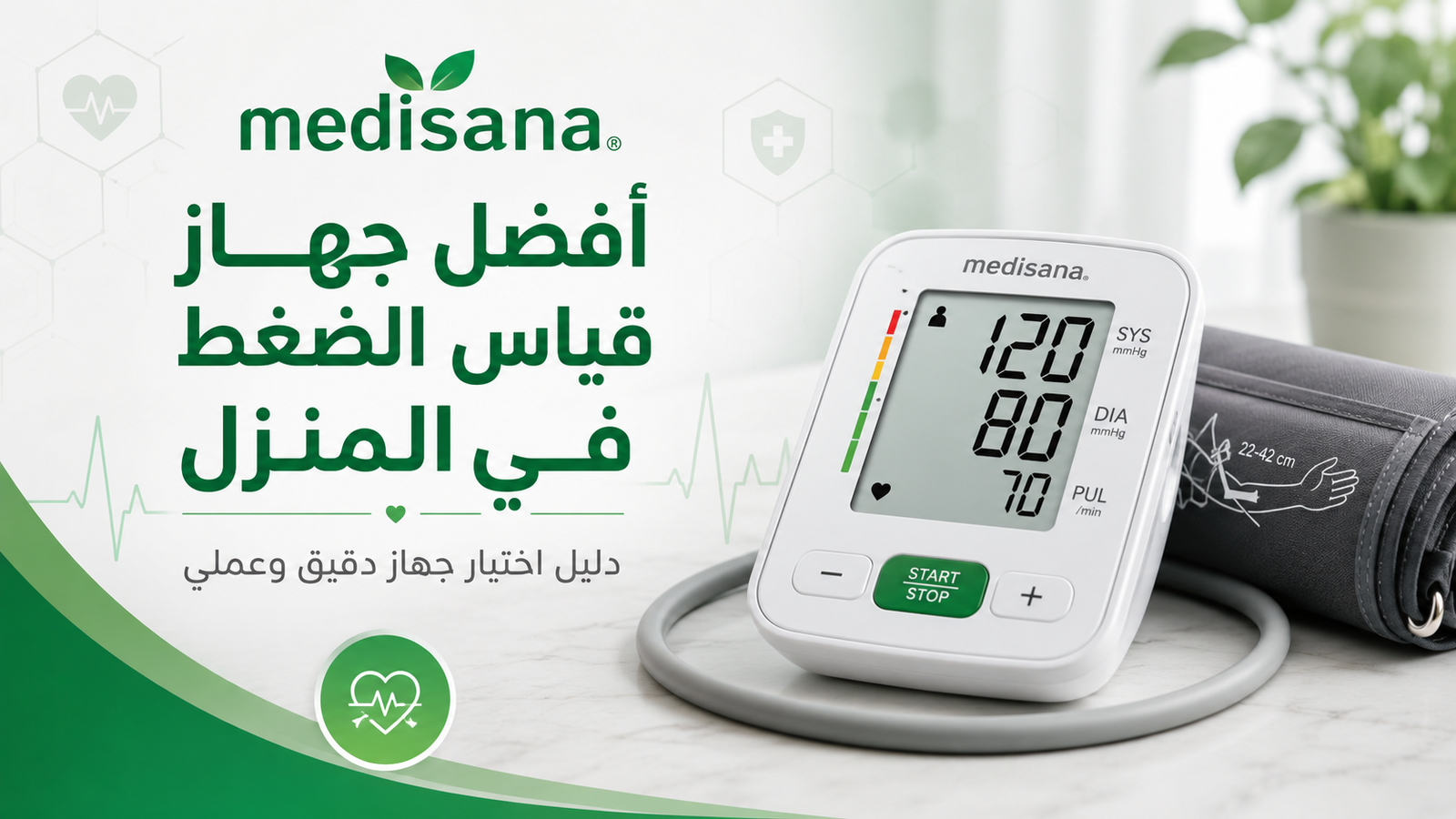
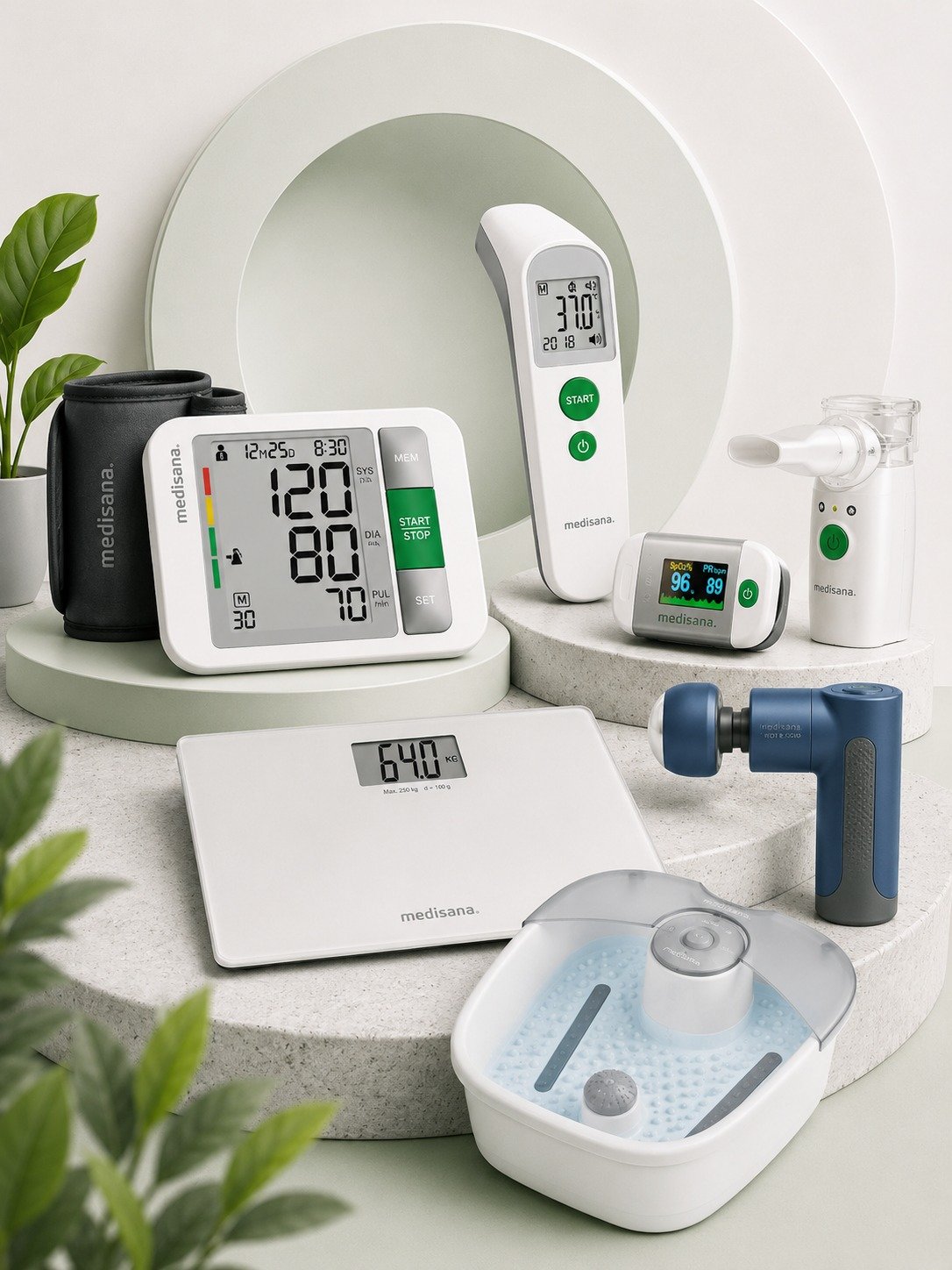
Digital blood pressure monitors commonly display labels such as SYS, DIA, PUL and MEM. Depending on the model, you may also see a heart icon, User 1 / User 2, a movement symbol, cuff warning or other indicators. Understanding these labels helps you record a reading correctly, but the screen itself does not provide a medical diagnosis.
Quick answer: SYS = systolic blood pressure, DIA = diastolic blood pressure, PUL or Pulse = pulse rate in beats per minute, MEM = memory, and User 1 / User 2 = the user profile where a reading is stored. Heart, movement and cuff-error symbols vary by model, so check the manual for your exact monitor.
Evidence note: The definitions of systolic and diastolic pressure and the measurement guidance in this article follow the American Heart Association [1] and CDC [2]. Model-specific display and memory examples are checked against official Medisana documentation [3]. Model-specific icons must still be checked against the manufacturer’s own manual.
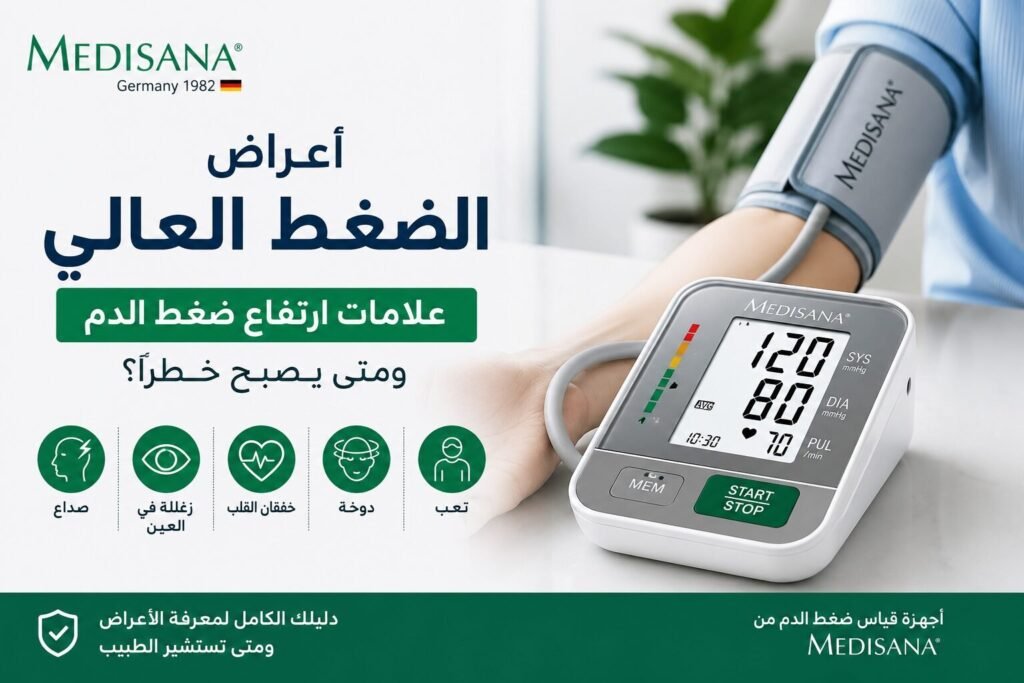
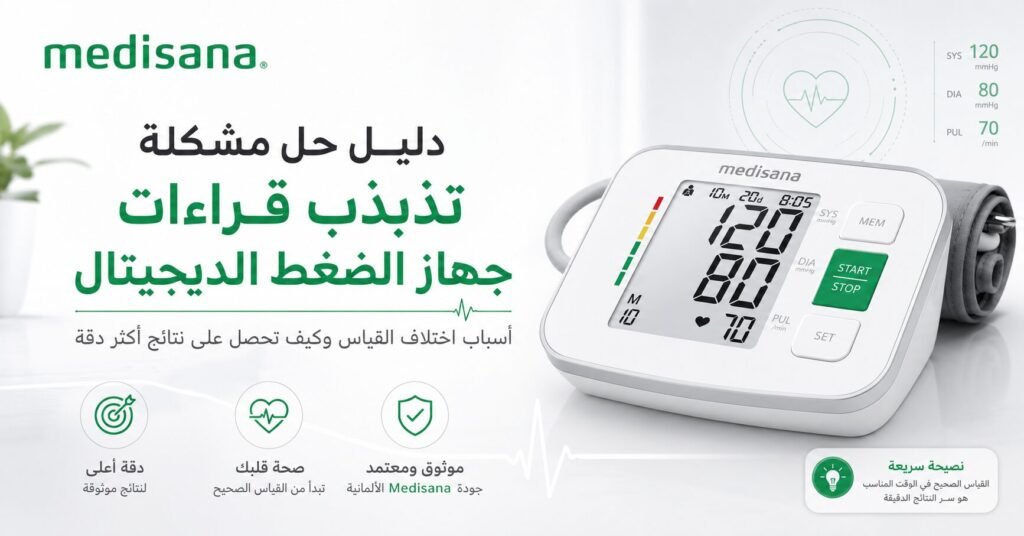
For example, if the monitor shows 128/78 mmHg, 128 is the SYS value. It should not be interpreted in isolation from the diastolic value or from your overall clinical context.
What Does DIA Mean?
DIA stands for diastolic pressure. It is the lower number and represents arterial pressure between heartbeats while the heart relaxes.
PUL / Pulse is the heart rate measured in beats per minute at the time of the blood pressure reading. It is separate from SYS and DIA.
For example, if the display shows SYS 128, DIA 78 and PUL 72, record the blood pressure as 128/78 mmHg and the pulse as 72 beats per minute.
What Does MEM Mean?
Model example: Medisana’s official BU 512 documentation lists systolic pressure, diastolic pressure and pulse on the display, plus memory for two users with 90 readings each. See the official Medisana BU 512 product documents. Other models may use different icons or memory capacities.
MEM stands for memory. It is typically used to access or cycle through stored readings. The exact number of readings a monitor stores depends on the model; some devices provide separate memory banks for different users.
Memory storage does not mean the device is automatically diagnosing a trend. It is primarily a record that can help you compare readings taken under similar conditions or share a history with a healthcare professional.
What Do User 1 and User 2 Mean?
On monitors designed for two users, each user profile has a separate memory bank. Choose the correct profile before measuring so that averages and stored histories are not mixed between people.
Keep User 1 assigned to the same person.
Keep User 2 assigned to the second person.
Do not switch profiles between measurement sessions.
If a guest uses the device, check the model manual for a guest mode or an option that avoids saving the reading.
What Does a Heart or Irregular Heartbeat Icon Mean?
Some blood pressure monitors display a heart or irregular-pulse symbol when the device detects an irregular pulse pattern during measurement. This symbol alone does not diagnose atrial fibrillation or another specific heart condition. Movement, talking and poor positioning can also affect the measurement.
If the symbol appears repeatedly, or it occurs with palpitations, dizziness, chest pain, fainting or other unusual symptoms, discuss it with a healthcare professional rather than relying on the icon alone.
What Does a Movement or Cuff Error Symbol Mean?
Some monitors include motion detection, cuff-fit checks or other use-error indicators. Their appearance is not standardized across brands and models.
If you see an unfamiliar symbol:
Do not assume it means the same thing as a symbol on another monitor.
Check the manual for the exact brand and model number.
Sit quietly, correct the cuff position and body posture, then repeat the measurement.
If the warning continues, follow the model-specific troubleshooting instructions instead of repeatedly measuring without correcting the cause.
How to Read a Blood Pressure Monitor Screen
Display Label
Meaning
What to Record
SYS
Systolic blood pressure
The higher pressure number
DIA
Diastolic blood pressure
The lower pressure number
PUL / Pulse
Pulse rate
Beats per minute
MEM
Memory function
Not part of the blood pressure value
User 1 / User 2
User profile
Select the correct person before measuring
Do Screen Colors Diagnose High Blood Pressure?
No. Some monitors use a color indicator to make a displayed range easier to recognize. The color is a visual aid, not a diagnosis of chronic hypertension from one reading.
Blood pressure interpretation depends on repeated measurements, measurement quality, health history and professional guidance. If you are tracking readings at home, consistency matters more than reacting to a single color or isolated result.
Why Can the Reading Look Strange Even When You Understand SYS and DIA?
Often the issue is not the symbols but the measurement technique. Common causes of unreliable or unusually variable readings include:
A cuff that is too small or too large for the arm.
Measuring over clothing.
Talking or moving during the reading.
Failing to support the arm at heart level.
Measuring immediately after exercise or caffeine.
Repeating readings too quickly without adequate rest.
Do All Blood Pressure Monitors Use the Same Symbols?
SYS, DIA and pulse labels are very common, but memory, movement, cuff, battery and irregular-heartbeat icons can differ. For model-specific symbols, use the exact model name and number when checking the manual.
If you are comparing monitors for home use, our blood pressure monitor buying guide explains the practical features that matter beyond the display labels.
Scope of this guide: this page explains display symbols and how to record what you see. It does not diagnose a blood pressure condition or set an individual treatment target.
Frequently Asked Questions
What do SYS and DIA mean?
SYS is systolic blood pressure, the higher number. DIA is diastolic blood pressure, the lower number.
What does PUL mean on a blood pressure monitor?
PUL means pulse rate, usually shown as beats per minute during the measurement.
What does MEM mean?
MEM refers to the monitor’s memory function for reviewing stored readings. It is not part of the blood pressure result itself.
Does a heart icon mean I have heart disease?
No. A heart or irregular-pulse icon cannot diagnose heart disease by itself. If it appears repeatedly or you have concerning symptoms, discuss it with a healthcare professional.
Does a red color on the monitor mean I have chronic hypertension?
No. A color indicator classifies or highlights a displayed range; one reading or color does not establish a chronic diagnosis.
How do I identify a symbol that is unique to my monitor?
Check the user manual for the exact model. Additional symbols are not standardized across all blood pressure monitors.
This guide explains blood pressure monitor displays and is not a diagnosis or treatment plan. Do not change blood pressure medication based on a single reading or display symbol without medical guidance.
These sources explain systolic and diastolic pressure and proper measurement. Model-specific memory, motion and warning symbols should be checked in the device manual.
Shop from WeCare Egypt
Explore Trusted Home Medical Devices and Medical Supplies
Compare blood pressure monitors, inhalation devices, weight scales, massage devices, and home health care products, then choose the most suitable option for your daily needs from WeCare Egypt.
Nebulizer not making mist? Troubleshoot compressor and mesh models by checking power, tubing, filter, cup assembly, batteries, mesh contact and cleaning—without changing the medication dose.
Learn what Perfusion Index (PI) means on a pulse oximeter, how it differs from SpO₂ and pulse rate, why PI changes, and how to use it as a signal-quality clue.
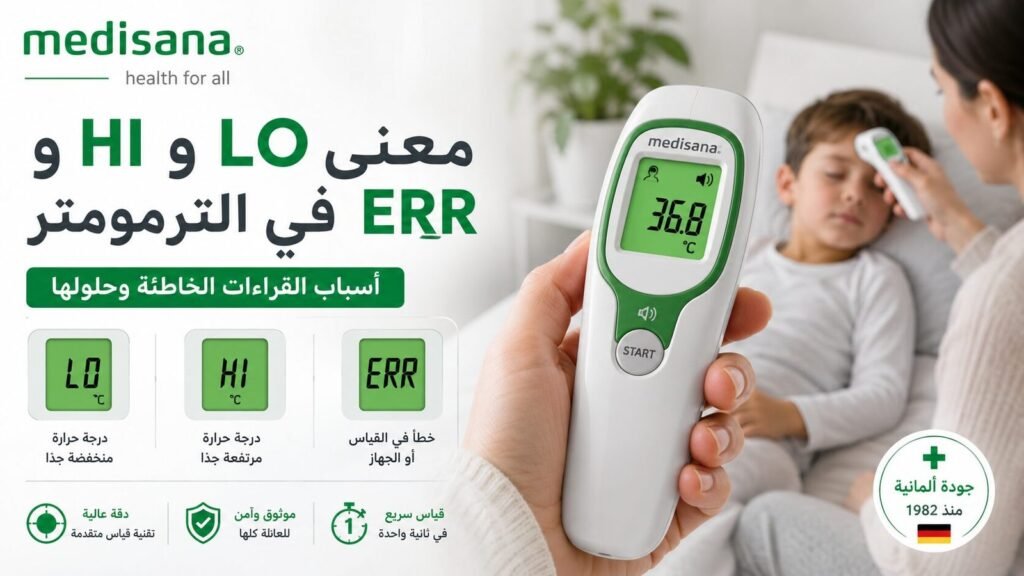
Understand LO, HI, ERR, E1, E2 and battery symbols on digital thermometers, what they may mean, and the correct troubleshooting order before requesting support.
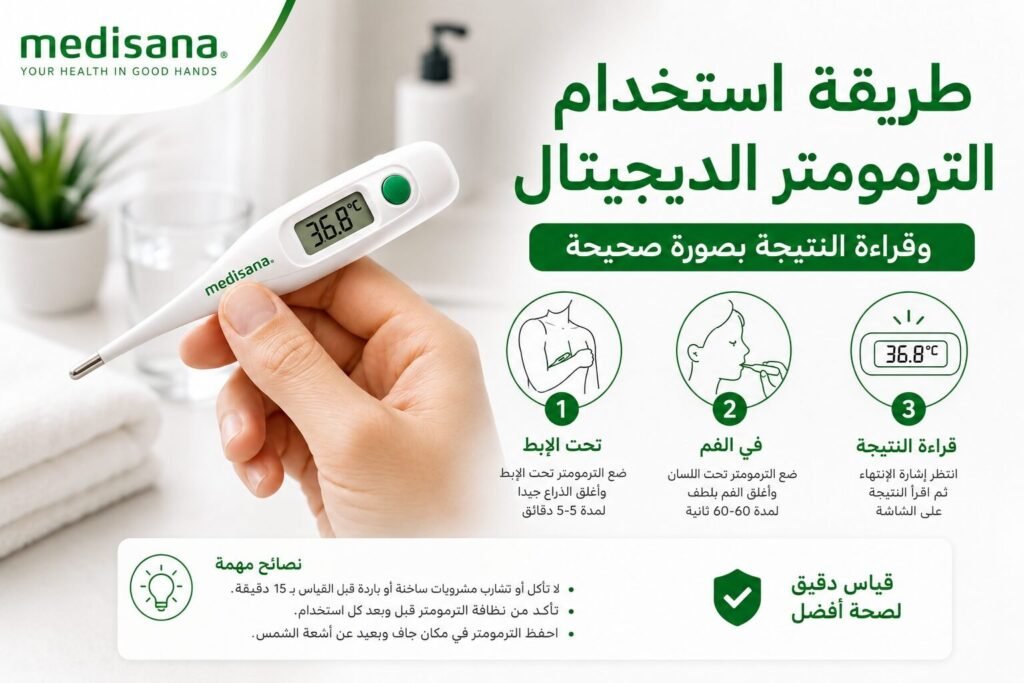
Learn how to use a digital contact thermometer correctly for armpit or oral measurement, read the result, clean the probe and handle LO, HI or ERR safely.
Learn how to measure temperature under the armpit correctly, where to place the thermometer, why you should not automatically add a degree, and when to confirm a reading.
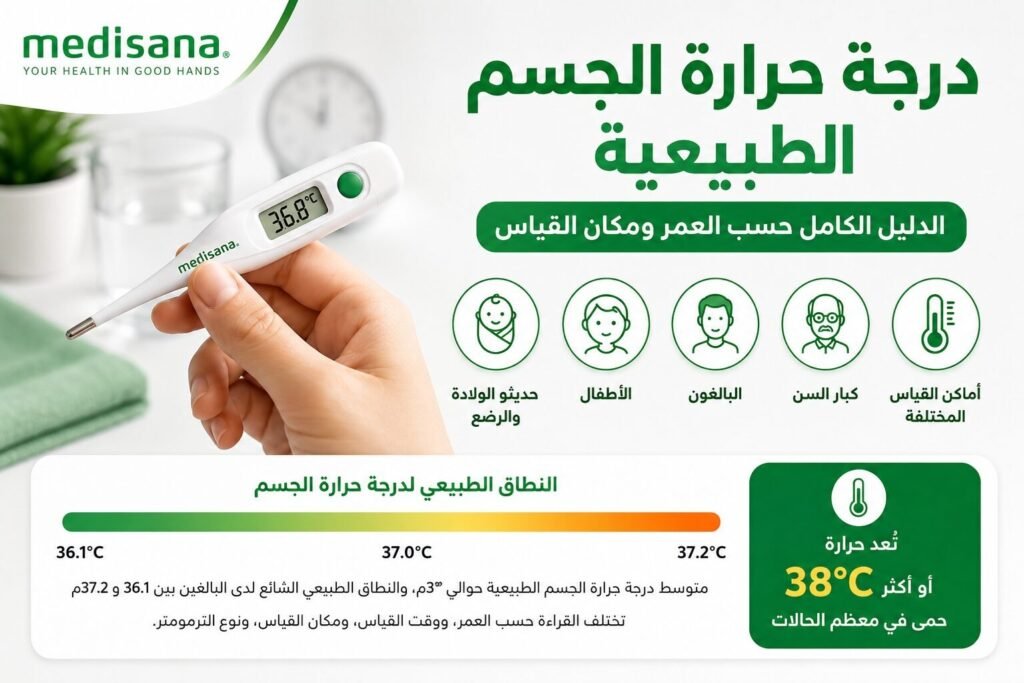
Understand normal body temperature by age, time of day and measurement site, including what 36°C, 37°C, 37.5°C and 38°C can mean and when symptoms matter more than the number.
Thermometer readings different at home? Check measurement site, timing, Body mode, probe contact, forehead distance, sweat, battery and repeat technique before blaming the device.
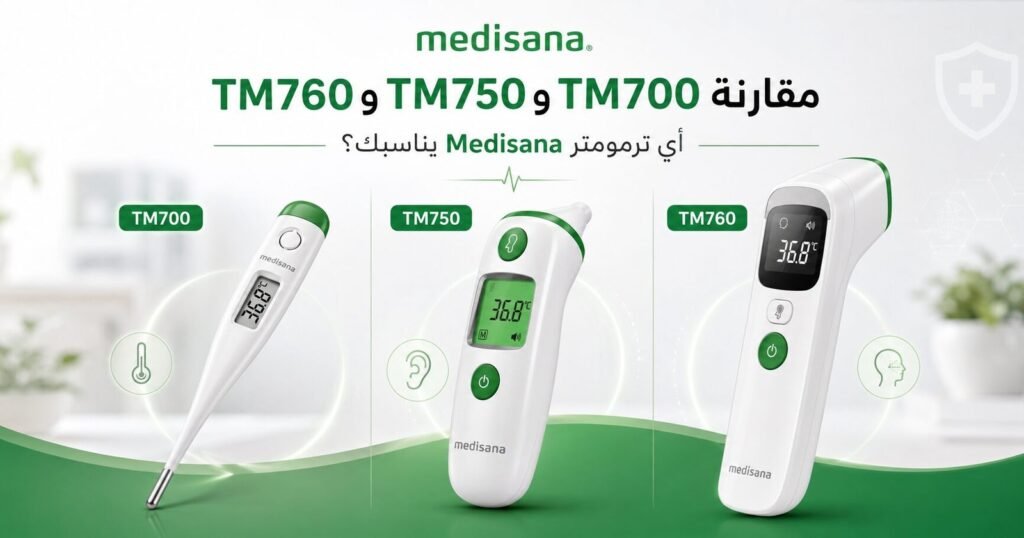
Compare Medisana TM 700, TM 750 Connect and TM 760 for children by age, measurement site, contact vs no-contact use, memory, Bluetooth and sleep-time convenience.
High blood pressure usually causes no symptoms. Learn what headache, dizziness or blurred vision can and cannot tell you, and when a reading above 180/120 with symptoms is an emergency.