High Blood Pressure Symptoms: What You Can and Cannot Feel
08
Jul
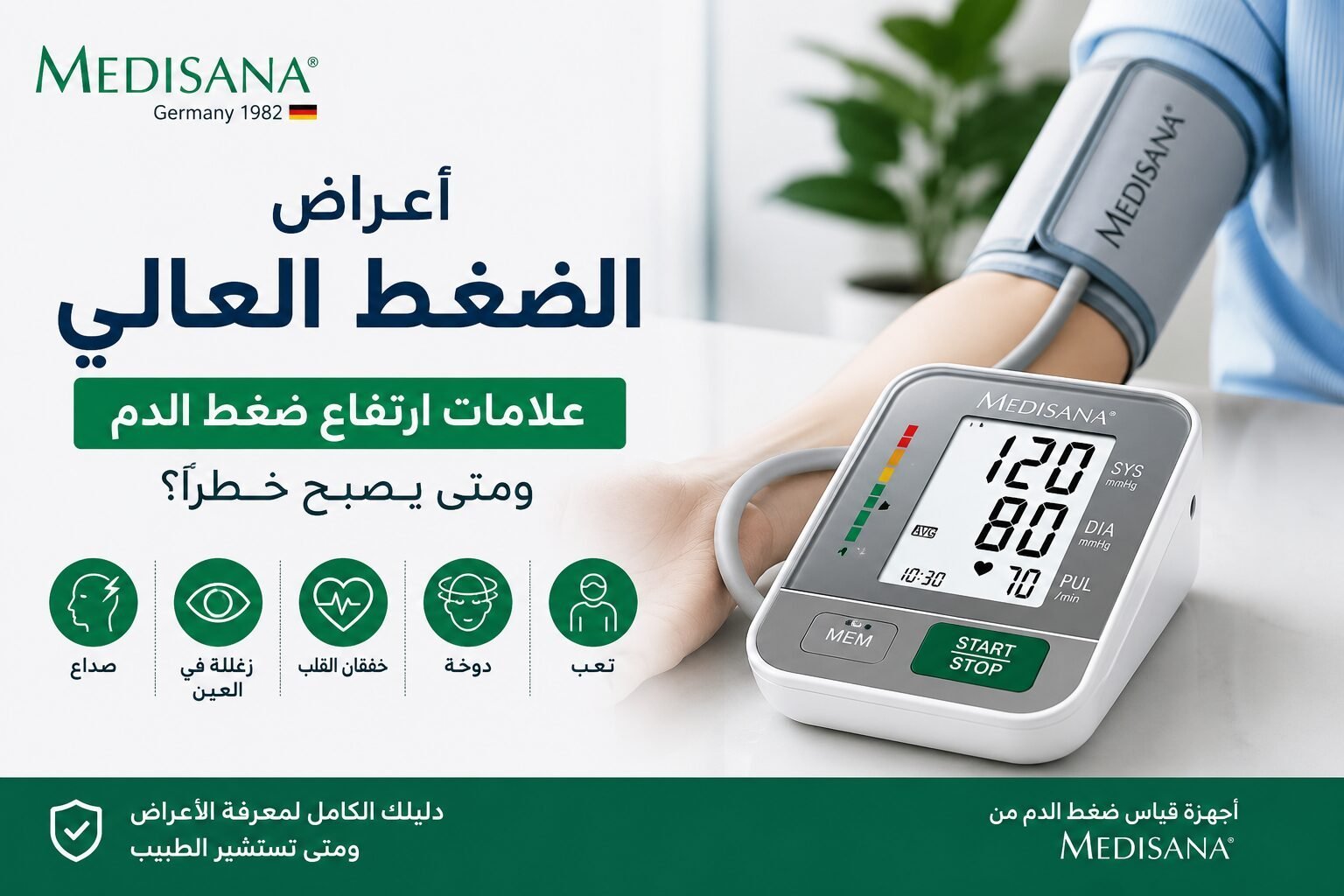
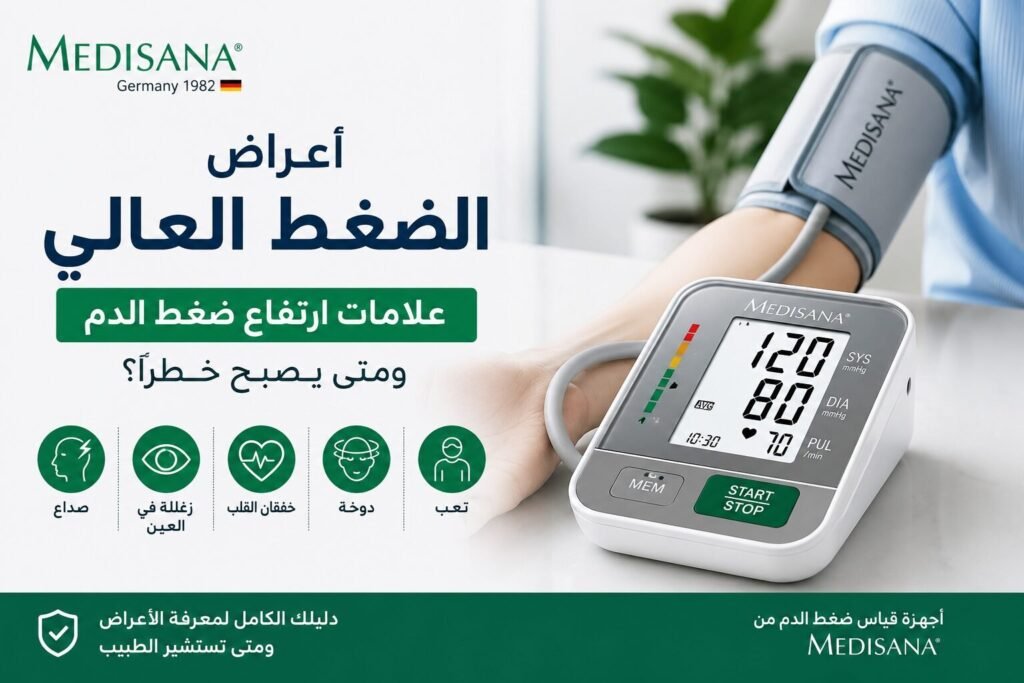
Direct answer: high blood pressure usually causes no symptoms. Headache, dizziness, palpitations or blurred vision can occur for many reasons and cannot confirm hypertension. The reliable way to know your blood pressure is to measure it correctly. A reading higher than 180/120 mm Hg with symptoms such as chest pain, shortness of breath, weakness, numbness, vision changes or difficulty speaking can be a hypertensive emergency and needs emergency medical care.
Medical note: the American Heart Association (AHA) describes high blood pressure as largely symptomless for most people. Do not wait for symptoms before checking your blood pressure, and do not use symptoms alone to diagnose or rule out hypertension.
Does High Blood Pressure Usually Cause Symptoms?
No. Most people with high blood pressure do not have clear warning symptoms, even when blood pressure has been elevated for a long time. This is why routine measurement matters more than trying to “feel” whether your pressure is high.
Symptoms such as headache, dizziness, fatigue, palpitations or blurred vision are nonspecific. They may occur at the same time as a high reading, but they can also be caused by stress, dehydration, migraine, low blood sugar, anemia, medication effects or many other conditions.
How Do You Know if Your Blood Pressure Is High?
You need an actual blood pressure measurement. Use a validated upper-arm monitor when possible, a cuff that fits your arm, and correct technique. Sit quietly before measuring, support your back and arm, keep your feet flat and avoid talking during the reading.
For technique, see how to measure blood pressure correctly at home. If your first reading is unexpectedly high, repeat it according to your monitoring plan rather than diagnosing yourself from one number.
Blood Pressure Categories: What the Numbers Mean
The AHA currently classifies adult blood pressure as follows:
Category
Systolic
Diastolic
Normal
Less than 120
and less than 80
Elevated
120–129
and less than 80
Stage 1 hypertension
130–139
or 80–89
Stage 2 hypertension
140 or higher
or 90 or higher
Severe hypertension
Higher than 180
and/or higher than 120
Only a healthcare professional can confirm a diagnosis. A single home reading should be interpreted in context and, when appropriate, confirmed with repeated measurements or clinical assessment.
What About Headache, Dizziness or Palpitations?
These symptoms are not reliable screening tools for hypertension. A headache does not prove your blood pressure is high, and having no headache does not mean your blood pressure is normal. The same applies to dizziness and palpitations.
If these symptoms recur, measure your blood pressure correctly and discuss persistent symptoms with a healthcare professional. If they occur with severe blood pressure elevation or other emergency symptoms, seek urgent care.
Can Blurred Vision Be Related to High Blood Pressure?
Long-term uncontrolled hypertension can damage blood vessels in several organs, including the eyes. Sudden vision changes with very high blood pressure are particularly concerning because they can be part of a hypertensive emergency.
However, blurred vision has many other possible causes. Do not assume that vision symptoms are “just blood pressure.” Sudden or severe visual change deserves prompt medical assessment.
When Does Very High Blood Pressure Become an Emergency?
According to the AHA, if your blood pressure is higher than 180/120 mm Hg, wait at least one minute and measure again. If the second reading remains that high, what you do next depends on symptoms.
If the reading remains above 180/120 and you have symptoms such as chest pain, shortness of breath, back pain, numbness, weakness, a change in vision or difficulty speaking, this can be a hypertensive emergency. Call your local emergency service immediately.
If the reading remains above 180/120 but you do not have those or other new concerning symptoms, contact a healthcare professional promptly for guidance. Do not take an extra dose of blood pressure medicine unless your clinician has specifically instructed you to do so.
Why One High Reading Does Not Always Mean Chronic Hypertension
Blood pressure can temporarily rise with stress, pain, recent exercise, caffeine, nicotine, a full bladder, talking during measurement or incorrect cuff size. That is why technique and repeated measurements matter.
If readings are repeatedly elevated under good measurement conditions, arrange a medical evaluation. If readings vary widely, see why home blood pressure readings fluctuate.
When Should You Monitor at Home?
Home monitoring can help people who have diagnosed hypertension, are being evaluated for hypertension, or have been asked by a clinician to track readings. It can also help identify patterns that are not obvious from a single office measurement.
Use a consistent schedule rather than checking repeatedly because of anxiety. Our guide on checking blood pressure too often explains how to avoid unhelpful repeated measurements.
What Symptoms Should Never Be Ignored?
Seek emergency assessment when severe or unusual symptoms suggest a possible heart, brain or vascular emergency, especially with a very high blood pressure reading. Concerning symptoms include chest pain, severe shortness of breath, new weakness or numbness, difficulty speaking, sudden vision change, fainting or other acute neurological symptoms.
Do not delay emergency care to keep repeating the blood pressure measurement.
Frequently Asked Questions
Can high blood pressure cause a headache?
It can occur alongside severe blood pressure elevation, but headache by itself is not a reliable way to diagnose hypertension. Many people with hypertension have no headache at all.
Can high blood pressure cause dizziness?
Dizziness can occur for many reasons and does not confirm high blood pressure. Check the actual reading and seek medical advice for recurrent or severe dizziness.
Can high blood pressure cause palpitations?
Palpitations are not specific to hypertension. They can occur with stress, caffeine, rhythm problems and other conditions. Persistent or concerning palpitations need clinical evaluation.
Is 180/120 an emergency?
A reading higher than 180/120 mm Hg is severe. Repeat it after at least one minute. If it remains that high and you have chest pain, shortness of breath, weakness, numbness, vision change, difficulty speaking or another new concerning symptom, seek emergency medical care immediately.
Can I have high blood pressure without symptoms?
Yes. This is common. Regular measurement is the only practical way to know whether your blood pressure is elevated.
Home Blood Pressure Monitors
If you have been advised to monitor at home, compare available blood pressure monitors by cuff size, memory, display readability and measurement features rather than choosing by price alone.
This article is for general education and does not replace diagnosis, medication advice or emergency assessment.
Shop from WeCare Egypt
Explore Trusted Home Medical Devices and Medical Supplies
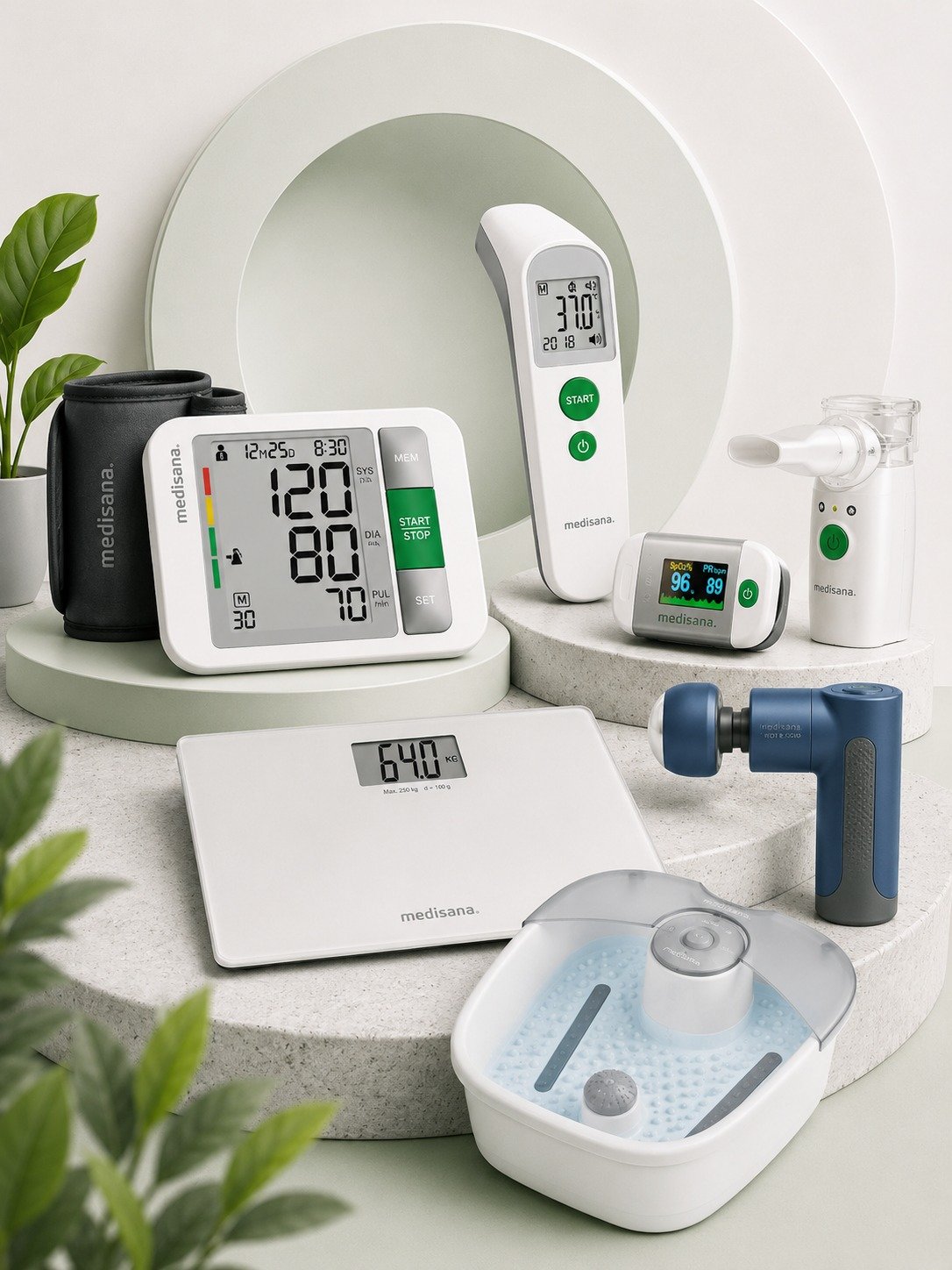
Compare blood pressure monitors, inhalation devices, weight scales, massage devices, and home health care products, then choose the most suitable option for your daily needs from WeCare Egypt.
Nebulizer not making mist? Troubleshoot compressor and mesh models by checking power, tubing, filter, cup assembly, batteries, mesh contact and cleaning—without changing the medication dose.
Learn what Perfusion Index (PI) means on a pulse oximeter, how it differs from SpO₂ and pulse rate, why PI changes, and how to use it as a signal-quality clue.
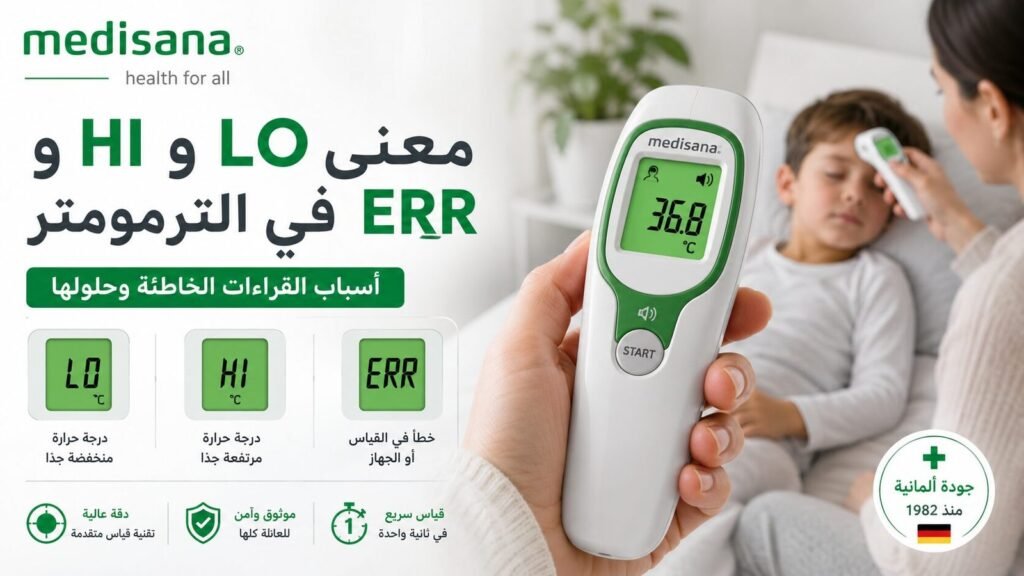
Understand LO, HI, ERR, E1, E2 and battery symbols on digital thermometers, what they may mean, and the correct troubleshooting order before requesting support.
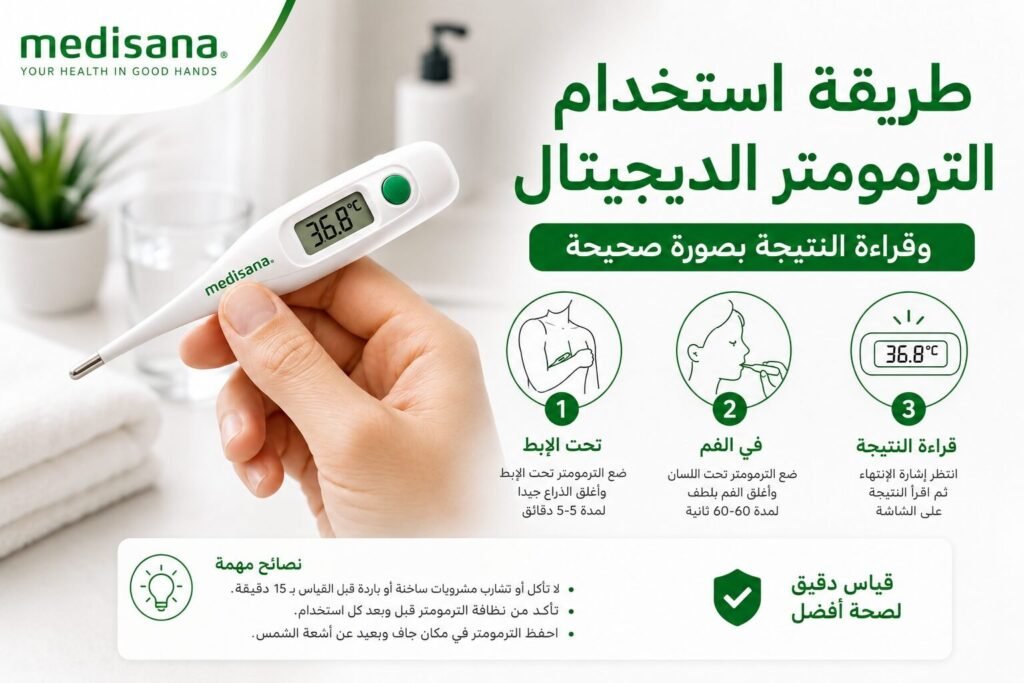
Learn how to use a digital contact thermometer correctly for armpit or oral measurement, read the result, clean the probe and handle LO, HI or ERR safely.
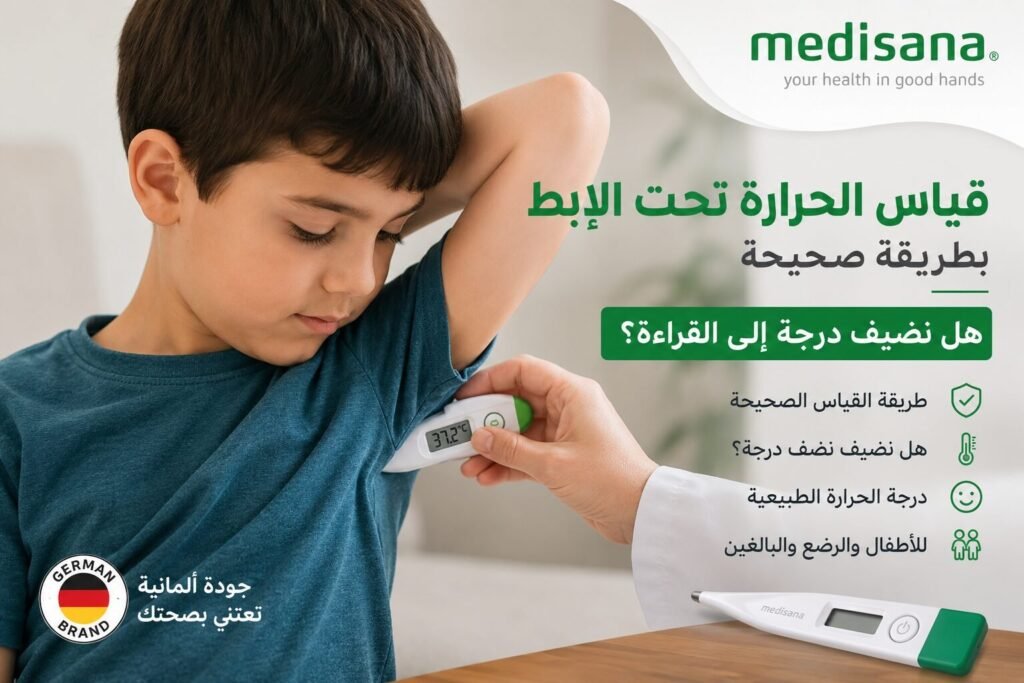
Learn how to measure temperature under the armpit correctly, where to place the thermometer, why you should not automatically add a degree, and when to confirm a reading.
Understand normal body temperature by age, time of day and measurement site, including what 36°C, 37°C, 37.5°C and 38°C can mean and when symptoms matter more than the number.
Thermometer readings different at home? Check measurement site, timing, Body mode, probe contact, forehead distance, sweat, battery and repeat technique before blaming the device.
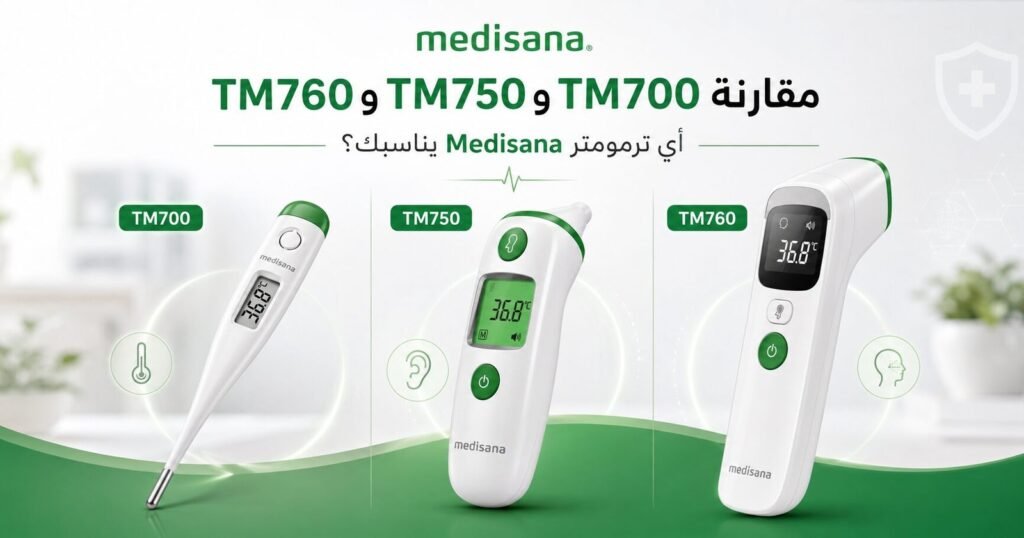
Compare Medisana TM 700, TM 750 Connect and TM 760 for children by age, measurement site, contact vs no-contact use, memory, Bluetooth and sleep-time convenience.
High blood pressure usually causes no symptoms. Learn what headache, dizziness or blurred vision can and cannot tell you, and when a reading above 180/120 with symptoms is an emergency.