Learning how to measure blood pressure at home correctly is just as important as choosing a reliable blood pressure monitor. A person may own an accurate home blood pressure device, but still get an inaccurate reading because of incorrect sitting posture, using the wrong cuff size, talking during measurement, or measuring blood pressure immediately after coffee or physical effort.
The correct blood pressure measurement method helps you monitor your blood pressure at home regularly, especially for older adults, people with high blood pressure, people with low blood pressure, or anyone whose doctor has asked them to record blood pressure readings at specific times. The more consistent your measurement method is, the more useful your blood pressure readings become when reviewed with your doctor.
In this guide from WeCare Egypt, we explain the correct way to measure blood pressure step by step, the most common blood pressure measurement mistakes to avoid, how to choose a suitable digital blood pressure monitor, and the best time to measure blood pressure at home.
Important notice: Home blood pressure measurement helps with monitoring only. You should not change your medication dose or stop treatment based on a home reading without consulting your doctor.
Why Should You Learn How to Measure Blood Pressure at Home?
Blood pressure can change throughout the day due to movement, stress, sleep, food, caffeinated drinks, medication, or physical effort. Therefore, relying on only one reading from a clinic or pharmacy may not give a complete picture of your daily blood pressure pattern.
When you measure blood pressure at home correctly, you can record your readings and share them with your doctor. This helps the doctor understand your blood pressure pattern more clearly. This is especially important in cases of high blood pressure, low blood pressure, or when readings vary from one time to another.
However, if blood pressure is measured incorrectly, the reading may appear higher or lower than it really is. That is why, before relying on any result, you should make sure your sitting position is correct, your arm is placed properly, the cuff size is suitable, and you have rested before taking the measurement.
What Is Blood Pressure?
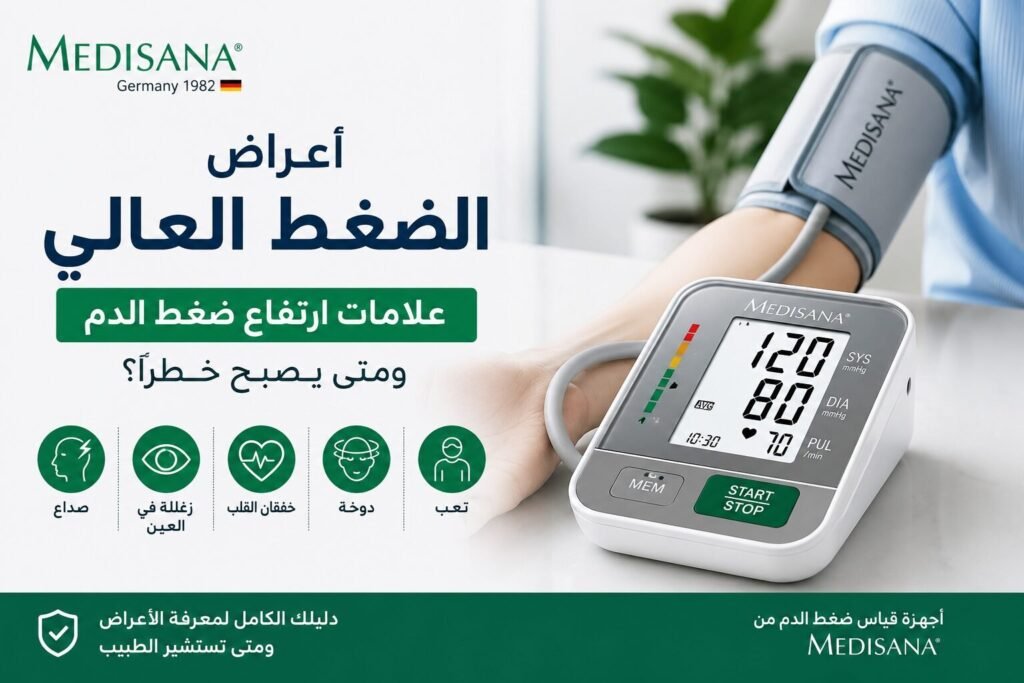
Blood pressure is the force of blood pushing against the walls of the arteries as the heart works. A blood pressure reading usually appears as two numbers: the higher number is systolic blood pressure, and the lower number is diastolic blood pressure.
Systolic pressure represents the pressure when the heart contracts and pumps blood. Diastolic pressure represents the pressure when the heart relaxes between beats. When measuring blood pressure at home, you may see the reading written like this: 120/80 mmHg.
Understanding what your blood pressure reading means helps you record your results more accurately, but it does not mean you should diagnose yourself. Interpreting readings and evaluating normal blood pressure, high blood pressure, or low blood pressure should be done with a doctor, especially if the readings are unstable or accompanied by symptoms.
What Is the Best Time to Measure Blood Pressure at Home?
The best time to measure blood pressure depends on your doctor’s instructions. In most cases, it is better to measure blood pressure at fixed times every day so the comparison is fair. For example, blood pressure may be measured in the morning before daily activity begins, or in the evening after a period of rest, depending on your doctor’s recommendation.
The most important thing is to avoid measuring blood pressure immediately after physical effort, after drinking coffee, or during intense stress. It is also better to sit in a quiet place and rest for a few minutes before measuring, because measuring blood pressure after exercise or after coffee may give a higher reading than usual.
Should Blood Pressure Be Measured Before or After Medication?
The timing of measuring blood pressure before or after medication should be determined by your doctor according to your condition. Do not change the measurement time or medication schedule on your own, because your doctor may need to understand how the medication affects your readings at certain times.
How Often Should Blood Pressure Be Measured?
How often blood pressure should be measured varies from person to person. Some people need daily blood pressure monitoring, while others only need periodic measurements. The most important thing is to follow the same measurement method and record your blood pressure readings clearly.
Steps to Measure Blood Pressure at Home Correctly
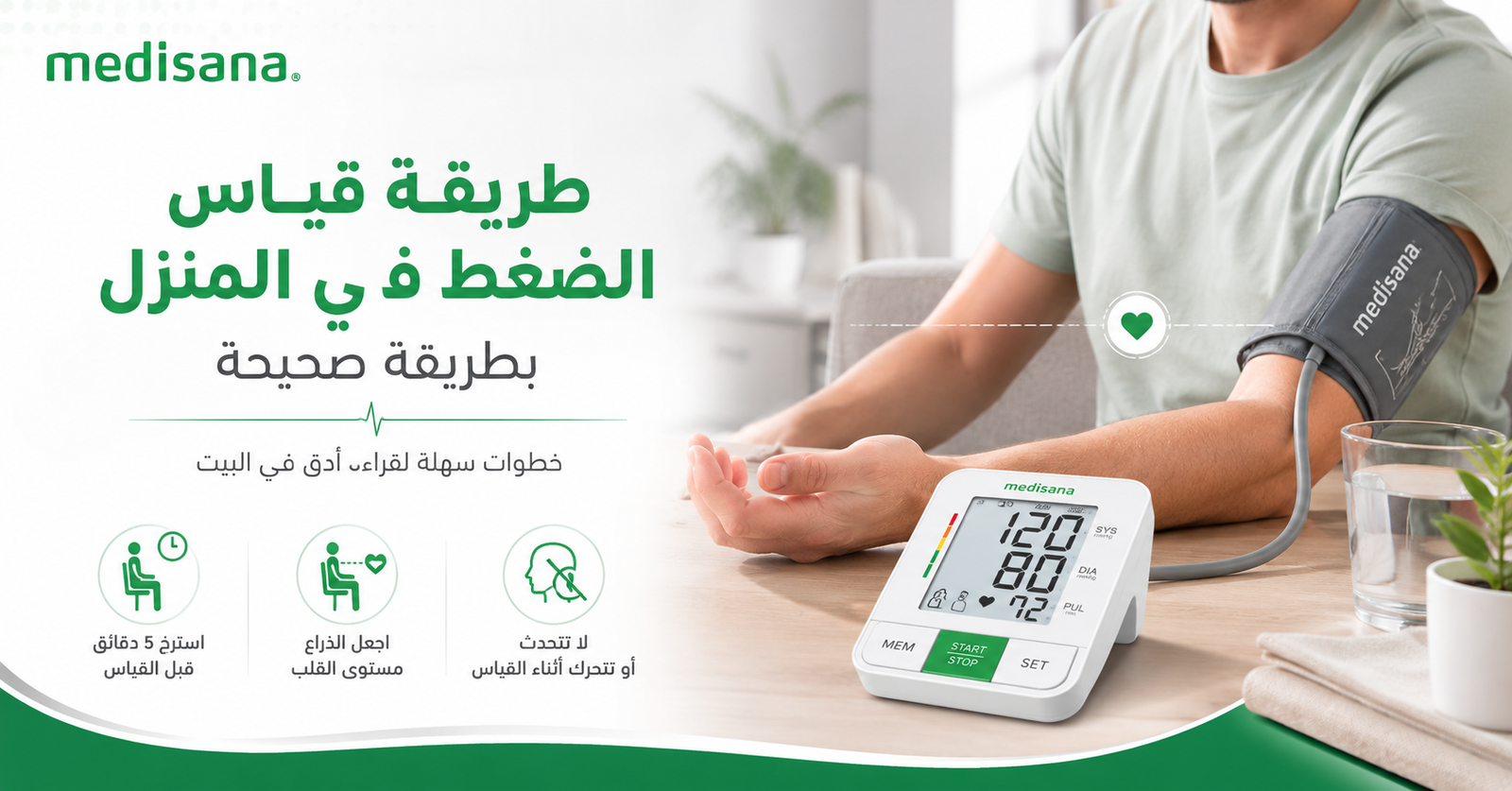
To get a reading that is closer to accuracy, follow these steps before, during, and after measurement. These steps are important whether you use an upper-arm blood pressure monitor or a regular digital blood pressure device for home use.
1. Sit in a Quiet Place Before Measurement
Before using the blood pressure monitor, sit in a quiet place for about five minutes. Resting before measuring blood pressure helps reduce the effect of stress and movement on the reading.
2. Avoid Coffee, Smoking, and Physical Effort
Avoid coffee, smoking, exercise, or any physical effort for a suitable period before measurement. Measuring blood pressure after coffee, brisk walking, or climbing stairs may make the reading higher than usual.
3. Sit Correctly
Correct sitting posture is very important. Sit on a chair, keep your back supported, and place your feet flat on the floor without crossing your legs. Do not measure blood pressure while lying down or sitting on a bed in an unstable position unless your doctor specifically asks you to do so.
4. Keep Your Arm at Heart Level
Place your arm on a table or stable surface so that it is at heart level. If your arm is higher or lower than the correct level during blood pressure measurement, the reading may be inaccurate.
5. Place the Cuff Directly on the Skin
It is not recommended to measure blood pressure over clothing. The cuff should be placed directly on the skin, because thick clothing or an unstable cuff position may affect the accuracy of the device.
6. Use the Correct Cuff Size
The cuff size is one of the most important factors affecting measurement accuracy. A cuff that is too small or too large may give an inaccurate reading. Before buying a home blood pressure monitor, make sure the cuff fits your arm circumference.
7. Do Not Talk During Measurement
Avoiding speech during measurement is important for getting a clearer reading. While the device is working, do not talk, move your arm, or move your body until the result appears completely on the screen.
8. Record the Reading with Time and Date
After the reading appears, record the systolic pressure, diastolic pressure, and pulse, along with the time and date. Recording blood pressure readings helps your doctor review your blood pressure pattern over time, especially when monitoring blood pressure at home regularly.
Common Blood Pressure Measurement Mistakes
Some simple mistakes can lead to inaccurate readings, even when using a reliable home blood pressure monitor. Avoid the following mistakes to get better results.
Measuring Blood Pressure After Climbing Stairs or Brisk Walking
Physical effort temporarily raises blood pressure, so do not measure your blood pressure immediately after movement or climbing stairs. Sit calmly first before taking the measurement.
Measuring Blood Pressure Over Clothing
Measuring blood pressure over clothing is one of the most common blood pressure measurement mistakes. It is always better to place the cuff directly on the skin to get a more accurate reading.
Using the Wrong Cuff Size
If the cuff size does not fit your arm circumference, the reading may appear higher or lower than it actually is. Always check the cuff size before relying on the device.
Moving the Arm During Measurement
Movement during measurement can affect the accuracy of the blood pressure monitor. Keep your arm still and supported until the result appears.
Talking or Getting Emotional During Measurement
Talking or feeling stressed during measurement may raise your blood pressure reading. Try to stay completely calm during the measurement.
Relying on One Reading Only
One reading is not enough to judge normal blood pressure or diagnose high or low blood pressure. It is better to record multiple readings and review them with your doctor.
How to Choose a Suitable Home Blood Pressure Monitor
Choosing the right device helps you apply the correct blood pressure measurement method at home more easily. When buying, look for a home blood pressure monitor that is clear, easy to operate, has a suitable cuff, a readable display, and memory for saving readings.
You can browse the home blood pressure monitors section to compare available devices by specifications and method of use.
Upper-Arm Blood Pressure Monitor
An upper-arm blood pressure monitor is one of the most commonly used types at home, because it is suitable for regular monitoring and usually displays the reading clearly. If you are looking for a practical device, you can review the Medisana BU 516 blood pressure monitor.
Digital Blood Pressure Monitor with a Clear Display
A clear display is important for older adults or anyone who wants to read results quickly. If you are looking for a blood pressure monitor with a clear screen and memory for readings, you can check the Medisana BU 565 blood pressure monitor.
Practical Home Blood Pressure Monitor
If you are looking for an accurate and easy-to-use home blood pressure monitor, you can review the Medisana BU 510 home blood pressure monitor and compare its specifications with other models.
Blood Pressure Monitor for Older Adults
When choosing a blood pressure monitor for older adults, focus on a large display, simple buttons, a comfortable cuff, and easy operation. An easy-to-use blood pressure monitor reduces mistakes and makes daily monitoring more comfortable.
Buying a Blood Pressure Monitor: What Should You Check?
Before buying a blood pressure monitor or a home blood pressure device, do not rely only on the price or appearance of the device. Check the specifications, cuff size, display clarity, reading memory, warranty, and ease of use.
If you are planning to buy a blood pressure monitor online, make sure the product page explains the device type, method of use, warranty, and suitability for home use. These details are very important because a blood pressure monitor is used for health monitoring, not just as an ordinary product.
If you want a wider guide before buying, you can read the article Buying Medical Supplies Online in Egypt to learn how to compare products, check warranty details, and review shipping before placing an order.
Quick Table: How to Measure Blood Pressure Correctly
Step
Correct Method
Why It Matters
Rest before measurement
Sit calmly for several minutes
To reduce the effect of physical effort and stress
Sitting position
Keep your back supported and feet flat on the floor
To improve reading stability
Arm position
Keep your arm at heart level
To avoid a reading that is higher or lower than reality
Cuff placement
Place the cuff directly on the skin
To prevent clothing from affecting the measurement
Talking and movement
Avoid talking and moving
To get a more accurate reading
Recording the reading
Write down the time, date, and result
To monitor blood pressure with your doctor
What Does a Blood Pressure Reading Mean?
A blood pressure reading usually appears as two numbers. The higher number is systolic blood pressure, and the lower number is diastolic blood pressure. For example, a reading of 120/80 means the systolic pressure is 120 and the diastolic pressure is 80.
You should not interpret a single reading in isolation from your overall condition. If you notice repeated high or low blood pressure readings, or if you experience symptoms such as severe dizziness, chest pain, or shortness of breath, you should consult a doctor immediately.
Recording readings over several days helps understand the general pattern, especially if you measure blood pressure at home to monitor treatment or based on your doctor’s advice.
Why Does Blood Pressure Vary from One Reading to Another?
Blood pressure variation is common because blood pressure is affected by many factors, including movement, stress, sleep, food, coffee, smoking, medication, and body position. Therefore, a difference between readings does not always mean there is a problem, but it should be monitored in an organized way if it happens repeatedly.
To make a fair comparison, try to measure your blood pressure at approximately the same time, using the same arm, the same sitting position, and the same device, while recording the results exactly as they appear.
How Often Should Blood Pressure Be Measured at Home?
The number of times blood pressure should be measured at home varies from person to person. Some patients need daily measurements, while others only need periodic monitoring. Your doctor is the one who determines the suitable number of measurements according to your condition.
The most important thing is consistency: use the same arm, the same position, similar times whenever possible, and record the reading exactly as it appears without rounding or adjusting it.
When Is a Blood Pressure Reading Concerning?
A blood pressure reading becomes concerning if it is repeatedly high or low, or if it is accompanied by clear symptoms such as severe headache, strong dizziness, chest pain, shortness of breath, blurred vision, or irregular heartbeat.
In these cases, do not rely only on the device and do not keep repeating the measurement many times. Contact your doctor or seek appropriate medical care depending on the severity of the symptoms.
Is Blood Pressure Measurement Different for Older Adults?
The basic measurement method is not very different, but measuring blood pressure for older adults requires more attention to device ease of use, display clarity, cuff size, and stable sitting posture.
If an older adult uses the device alone, it is better to choose an easy-to-use blood pressure monitor with a clear display, memory for readings, and a comfortable cuff. This makes blood pressure monitoring easier and less confusing.
Useful Links Before Buying a Home Blood Pressure Monitor
If you are preparing your home with essential care products, review the guide Best Medical Supplies for Home to learn about the most important home medical devices and healthcare products suitable for household use.
Frequently Asked Questions
What is the correct way to measure blood pressure at home?
Sit calmly for a few minutes, place your feet flat on the floor, keep your arm at heart level, place the cuff directly on the skin, do not talk during measurement, then record the reading with the time and date.
Should blood pressure be measured from the right or left arm?
It is better to ask your doctor which arm is more suitable. In some cases, the doctor may recommend measuring from a specific arm or comparing both arms at first, then continuing with the same arm for follow-up.
Does talking during blood pressure measurement affect the reading?
Yes, talking or moving during measurement may affect the blood pressure reading. That is why you should sit calmly until the full result appears.
Can blood pressure be measured over clothing?
It is not recommended. It is better to place the cuff directly on the skin, because clothing may affect cuff stability and reading accuracy.
Why do blood pressure readings vary from one time to another?
Blood pressure naturally changes throughout the day depending on movement, stress, sleep, food, drinks, and medication. Therefore, you should not rely on one reading only.
What is the best device for measuring blood pressure at home?
It is better to choose an easy-to-use home blood pressure monitor with a suitable cuff, clear display, reading memory, warranty, and a reliable source.
Does a home blood pressure monitor replace the doctor?
No. A home blood pressure monitor helps with follow-up, but it does not replace the doctor and cannot determine treatment on its own.
Start Measuring Blood Pressure Correctly
Learning how to measure blood pressure at home helps you get more accurate readings and organize your daily health monitoring. Follow the correct sitting posture, use the right cuff placement, record your readings regularly, and do not rely on one reading only.
If you need a suitable device for home monitoring, you can browse the available blood pressure monitors at WeCare Egypt and choose the right device for your family.
Start monitoring with confidence, and choose a home blood pressure monitor that gives you clearer readings and easier use.
Shop from WeCare Egypt
Explore Trusted Home Medical Devices and Medical Supplies
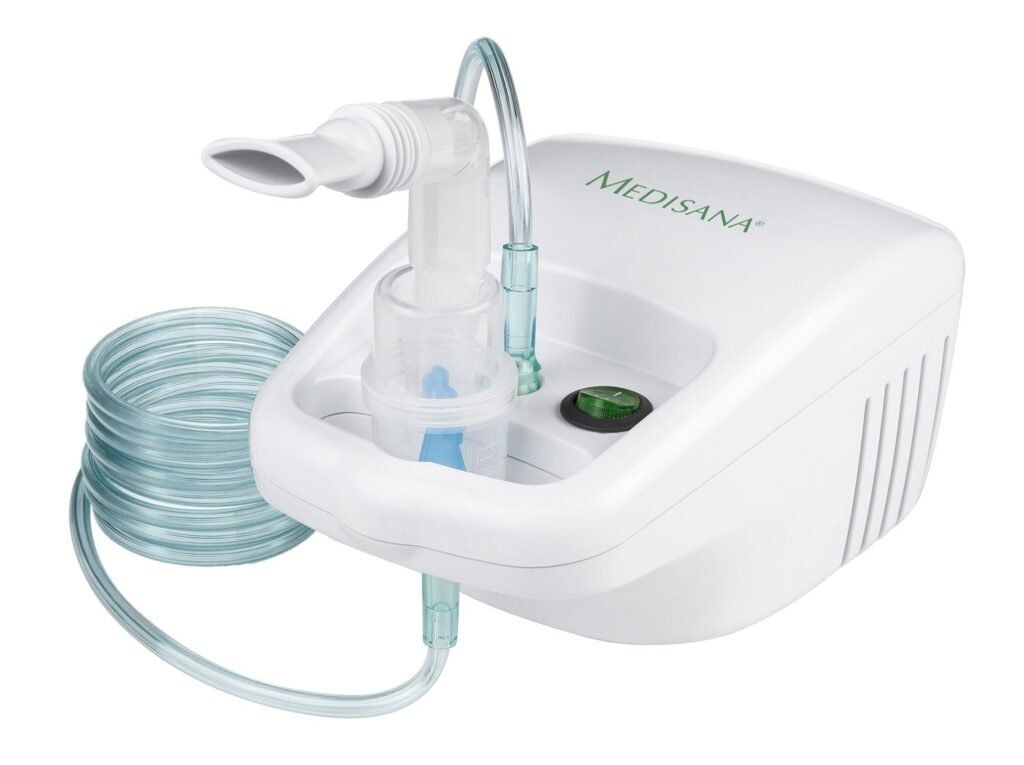
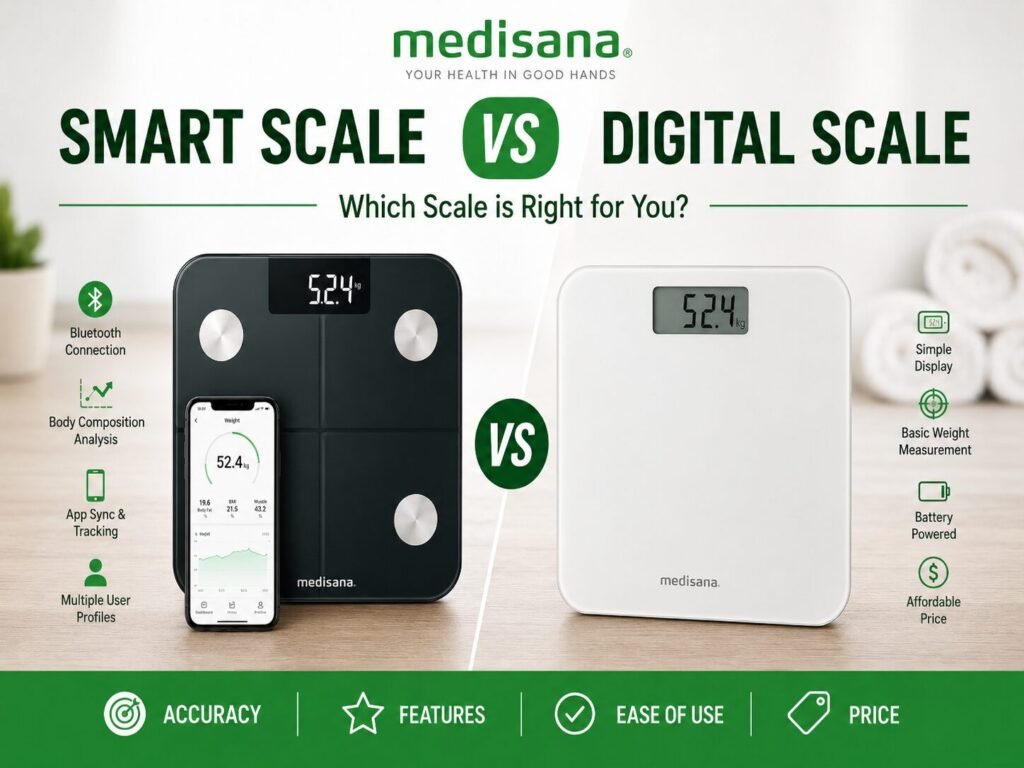
Compare blood pressure monitors, inhalation devices, weight scales, massage devices, and home health care products, then choose the most suitable option for your daily needs from WeCare Egypt.
Nebulizer not making mist? Troubleshoot compressor and mesh models by checking power, tubing, filter, cup assembly, batteries, mesh contact and cleaning—without changing the medication dose.
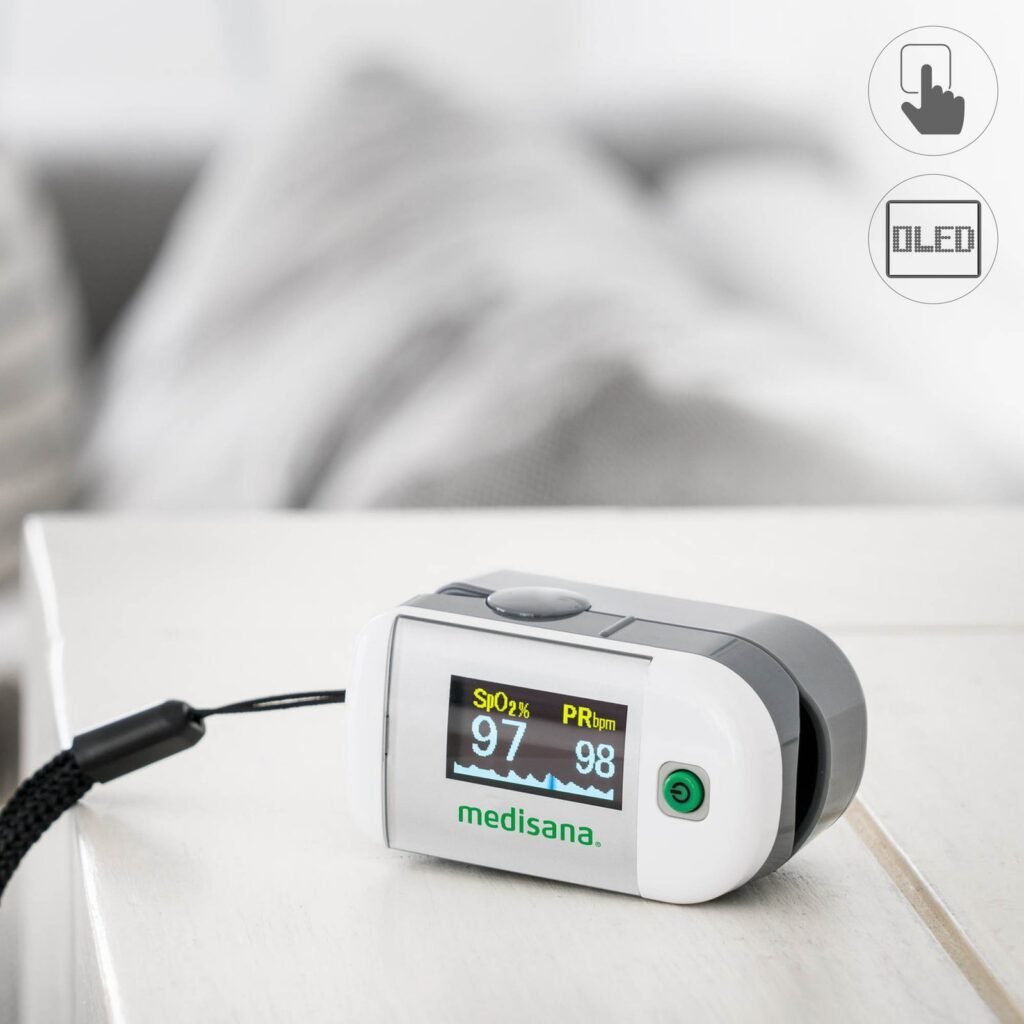
Learn why a pulse oximeter may show low or unstable SpO₂, how to repeat the measurement correctly, common accuracy limitations, and when symptoms need medical attention.
Learn what Perfusion Index (PI) means on a pulse oximeter, how it differs from SpO₂ and pulse rate, why PI changes, and how to use it as a signal-quality clue.
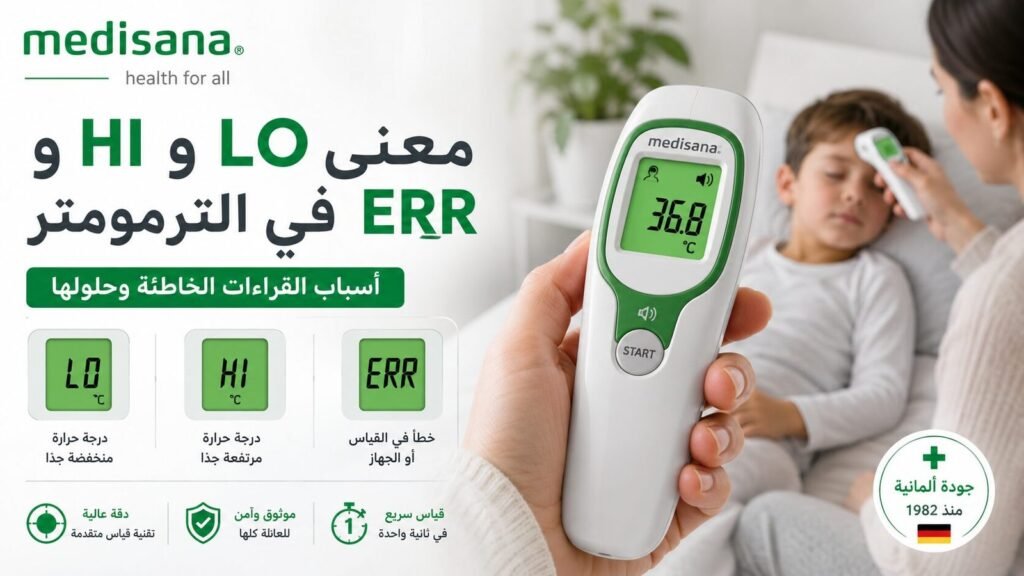
Understand LO, HI, ERR, E1, E2 and battery symbols on digital thermometers, what they may mean, and the correct troubleshooting order before requesting support.
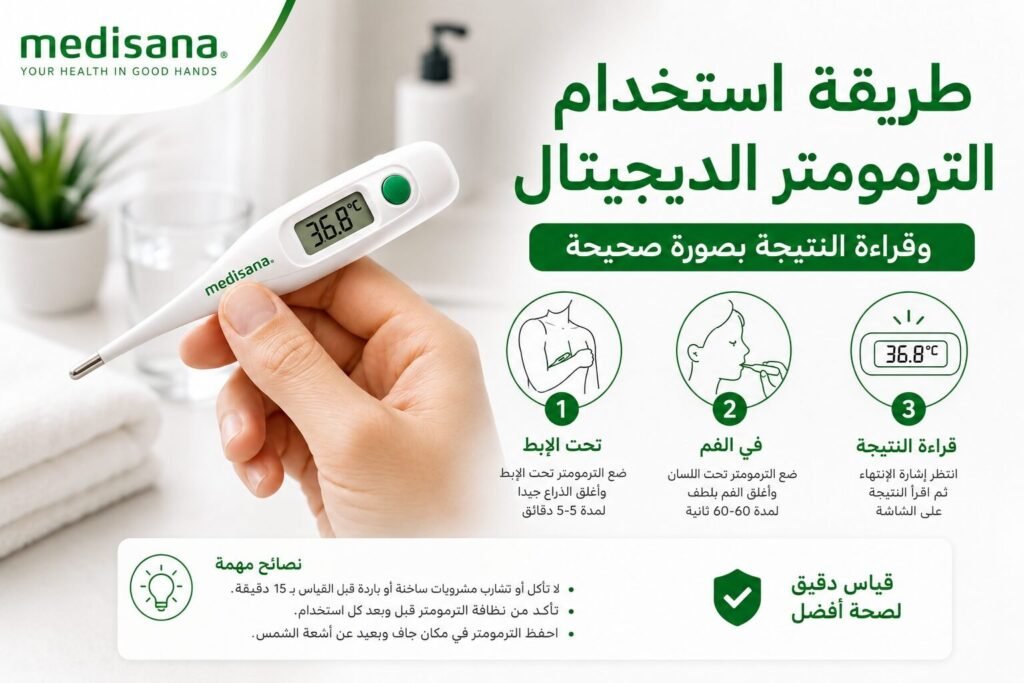
Learn how to use a digital contact thermometer correctly for armpit or oral measurement, read the result, clean the probe and handle LO, HI or ERR safely.
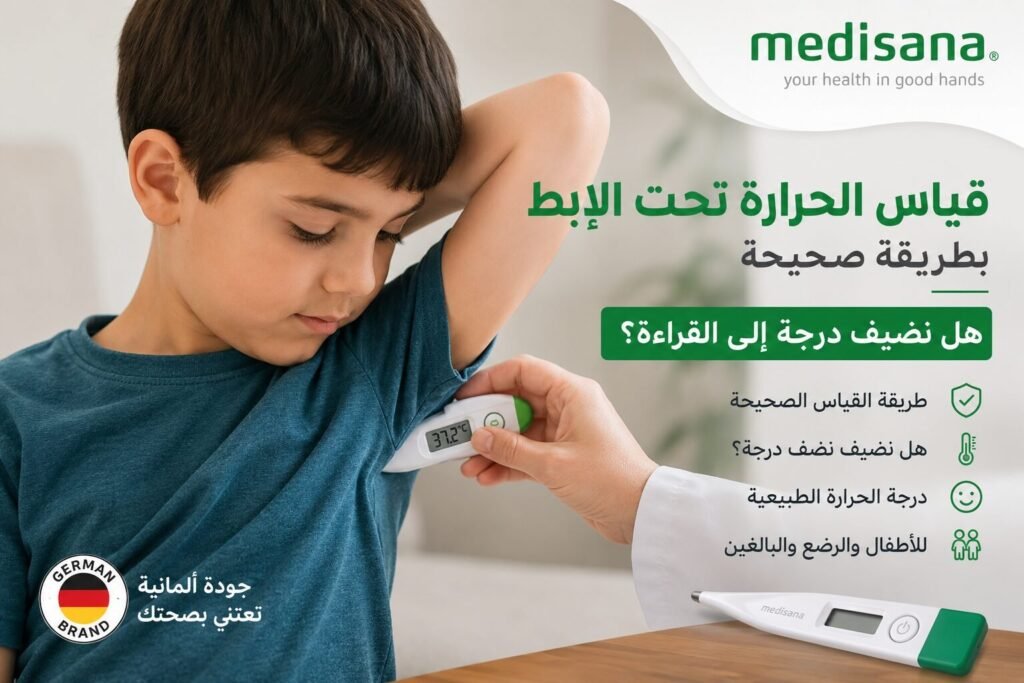
Learn how to measure temperature under the armpit correctly, where to place the thermometer, why you should not automatically add a degree, and when to confirm a reading.
Understand normal body temperature by age, time of day and measurement site, including what 36°C, 37°C, 37.5°C and 38°C can mean and when symptoms matter more than the number.
Thermometer readings different at home? Check measurement site, timing, Body mode, probe contact, forehead distance, sweat, battery and repeat technique before blaming the device.
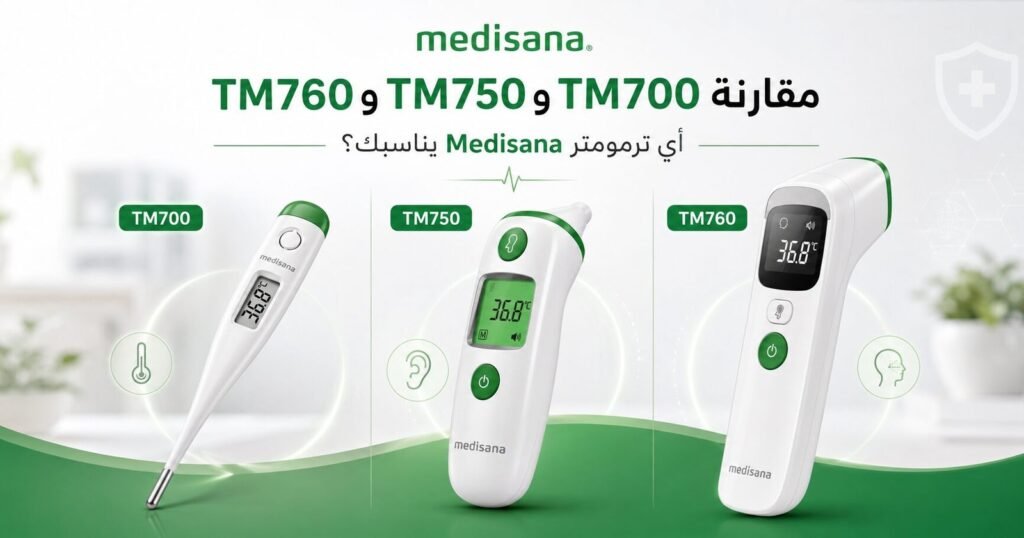
Compare Medisana TM 700, TM 750 Connect and TM 760 for children by age, measurement site, contact vs no-contact use, memory, Bluetooth and sleep-time convenience.
High blood pressure usually causes no symptoms. Learn what headache, dizziness or blurred vision can and cannot tell you, and when a reading above 180/120 with symptoms is an emergency.