Perfusion Index (PI) on a Pulse Oximeter: What It Means
26
Aug
Perfusion Index (PI) on a pulse oximeter is an indicator of the strength of the pulsatile signal at the measurement site. In practical terms, it can help show how strongly the sensor is detecting the pulse in your finger. It is not your oxygen saturation, and one PI value cannot diagnose poor circulation or determine the severity of a medical condition.
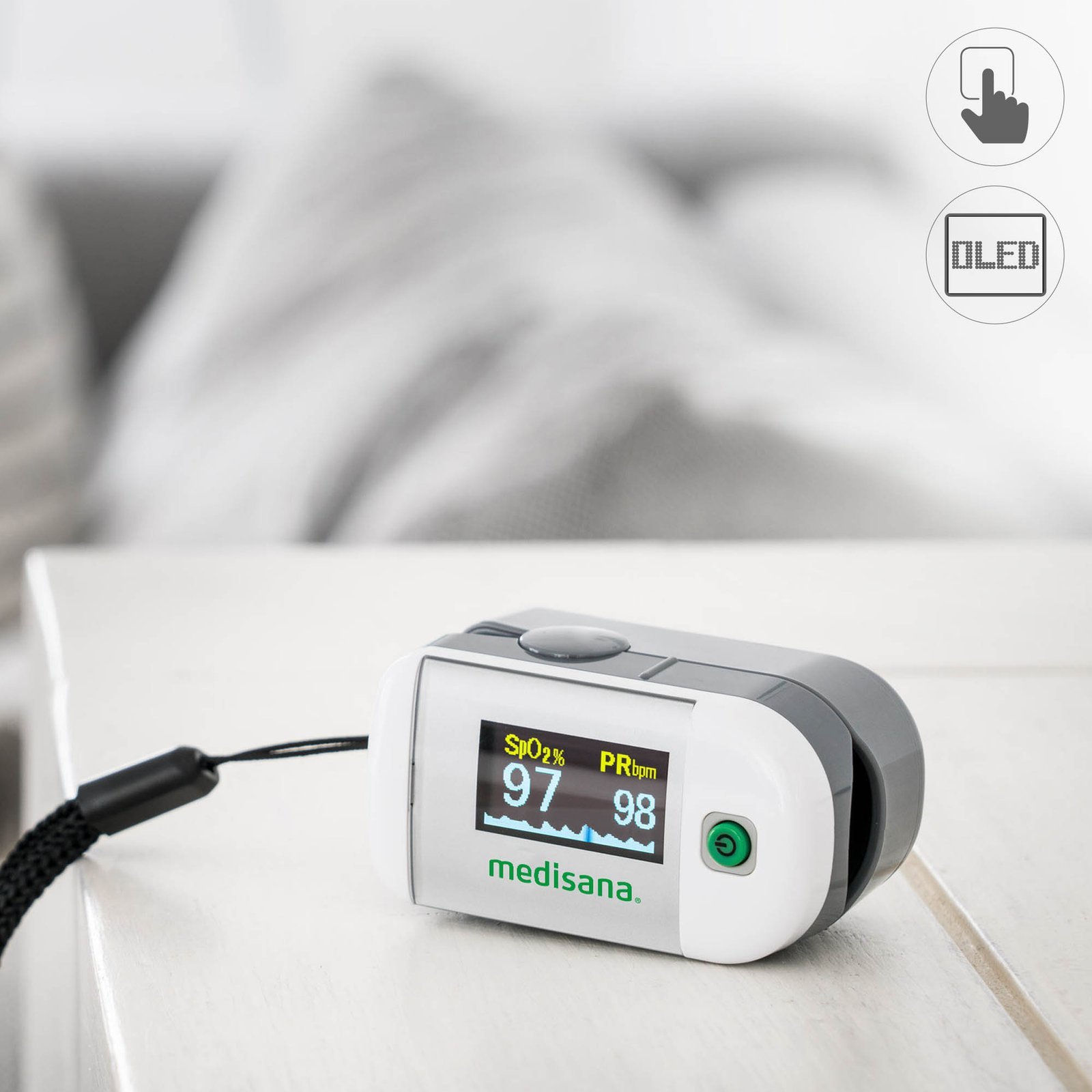
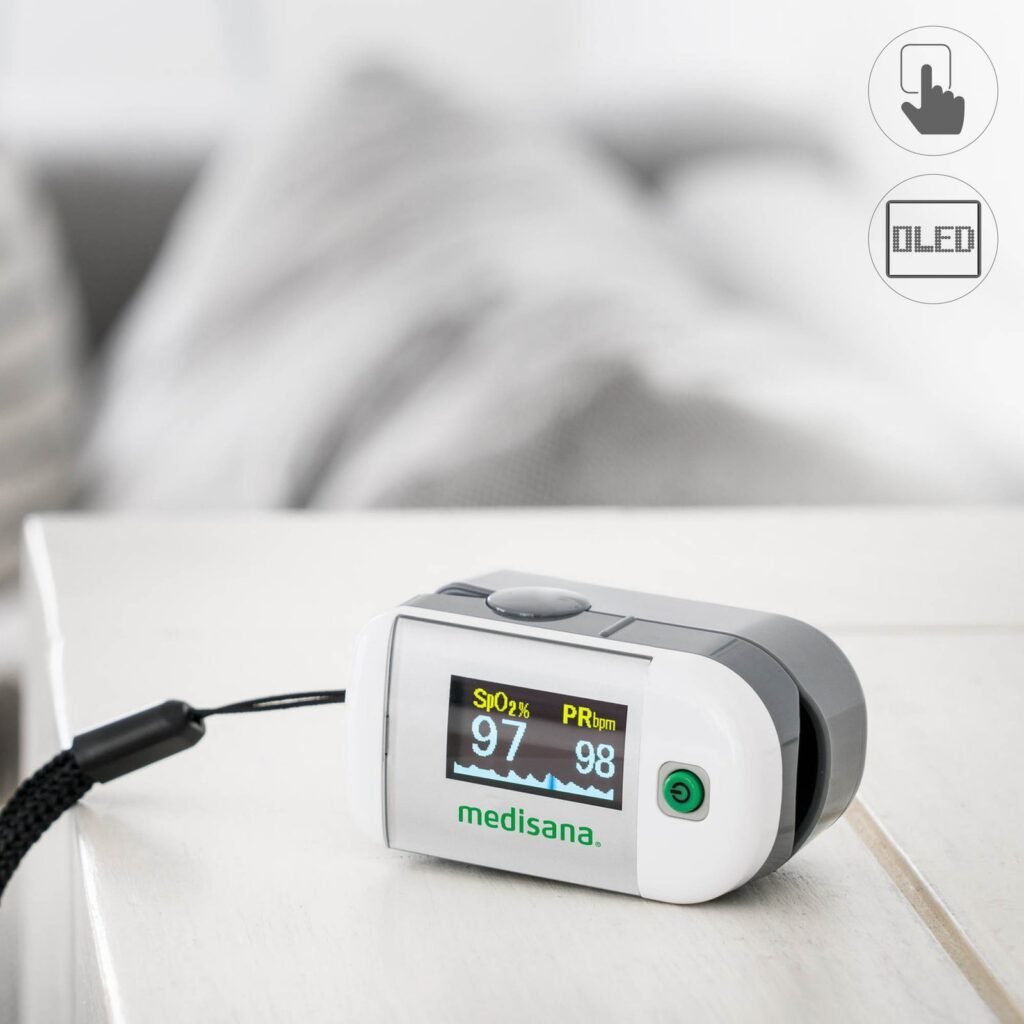
On devices such as the Medisana PM 100 Connect, PI is displayed alongside SpO₂ and pulse rate. Its most useful role at home is as supporting information about signal strength and measurement conditions—not as a health target that you should try to raise or lower.
PI stands for Perfusion Index. It is derived from the relationship between the pulsatile and non-pulsatile components of the optical signal detected by the oximeter. When the pulse signal at the finger is stronger, PI may be higher; when peripheral perfusion or signal quality is weaker, such as with cold hands, PI may be lower.
Because PI is affected by both physiology and measurement conditions, it should be interpreted as a signal-related value rather than a standalone diagnosis.
What Is the Difference Between PI, SpO₂ and Pulse Rate?
Value
What It Represents
How to Use It
SpO₂
Estimated oxygen saturation in the blood
Interpret with symptoms, measurement quality and medical guidance
Pulse
Heart rate
Shows beats per minute during the reading
PI
Strength of the pulsatile signal at the sensor site
Use as supporting information about signal strength at the finger
Is a Higher PI Always Better?
No. PI should not be treated as a score where a higher number is automatically healthier. It can vary between people, between fingers and from one moment to another because of skin temperature, hand position, peripheral perfusion, movement and other factors.
For a home pulse-oximeter reading, the priority is to use the device correctly and wait for SpO₂ and pulse values to become reasonably stable rather than chasing a particular PI number.
Why Can PI Change Within Seconds?
Peripheral pulse strength is not completely constant. Small movements, pressure on the finger, cold extremities, changes in hand position or slight shifts in sensor placement can alter the detected optical signal.
For that reason, a brief change in PI by itself should not be interpreted as a sudden medical deterioration.
How Can PI Help You Get a Better Pulse-Oximeter Reading?
Sit quietly and support your hand on a stable surface.
Make sure the finger is warm and positioned according to the device instructions.
Insert the finger fully into the sensor.
Keep the hand still while the device measures.
Wait until the SpO₂, pulse and signal appear more stable before recording the result.
If the signal appears weak, first check movement, hand temperature and sensor position before drawing medical conclusions.
The U.S. FDA guidance on pulse oximeters also emphasizes that pulse-oximeter readings can be affected by factors such as circulation, skin temperature, movement and other measurement conditions.
Can PI Diagnose Poor Circulation?
No. A home PI value alone is not sufficient to diagnose a circulation problem, heart condition or vascular disease. It reflects the pulsatile signal detected at one peripheral measurement site at one point in time.
If you have persistent coldness, pain, color changes, swelling, numbness or other concerning symptoms in an arm or leg, seek appropriate medical assessment instead of trying to diagnose the cause from PI alone.
Is There One Normal PI Range for Everyone?
There is no single PI range that should be treated as universally “normal” across every person and every pulse oximeter. Device design, measurement site, peripheral perfusion and environmental conditions can all affect the value.
Use the manufacturer’s documentation for model-specific display information, and focus on correct measurement technique and the clinical context rather than a generic PI target.
Why Can PI Differ Between Fingers?
Different fingers may produce different signal strength because peripheral perfusion, temperature, pressure and sensor fit are not identical at every site. If one finger produces a steadier signal than another, PI may differ as well.
For consistent monitoring, use the same measurement method and follow the device instructions. If readings are unexpectedly unstable, repeat the measurement after correcting obvious factors such as cold hands or movement.
When Should You Pay More Attention to SpO₂ Than PI?
PI can help you judge whether the sensor is receiving a useful pulse signal, but it does not replace SpO₂. If you are monitoring oxygen saturation because of a medical condition, follow the SpO₂ thresholds and action plan given by your healthcare professional.
Do not use a reassuring PI value to dismiss concerning symptoms or an unexpectedly low oxygen-saturation reading.
Frequently Asked Questions
Is PI the same as blood oxygen?
No. Oxygen saturation is displayed as SpO₂. PI reflects the strength of the pulsatile signal detected at the measurement site.
Does a low PI mean I have a disease?
No. A low PI value by itself cannot diagnose disease. Check measurement conditions, signal stability and your symptoms before interpreting the result medically.
Can PI change between fingers?
Yes. Peripheral perfusion and sensor signal can differ from one finger to another, so PI may also differ.
Do I need PI to measure SpO₂?
PI is useful additional information on devices that display it, especially as a clue to pulse-signal strength, but SpO₂ interpretation still depends on a stable measurement, symptoms and medical guidance.
Bottom Line
Perfusion Index is best treated as a supporting signal-quality indicator, not a diagnosis. It can help you recognize when a pulse oximeter has a stronger or weaker pulsatile signal at the finger, but it is not a substitute for SpO₂, clinical symptoms or medical evaluation.
Explore Trusted Home Medical Devices and Medical Supplies
Compare blood pressure monitors, inhalation devices, weight scales, massage devices, and home health care products, then choose the most suitable option for your daily needs from WeCare Egypt.
Nebulizer not making mist? Troubleshoot compressor and mesh models by checking power, tubing, filter, cup assembly, batteries, mesh contact and cleaning—without changing the medication dose.
Learn what Perfusion Index (PI) means on a pulse oximeter, how it differs from SpO₂ and pulse rate, why PI changes, and how to use it as a signal-quality clue.
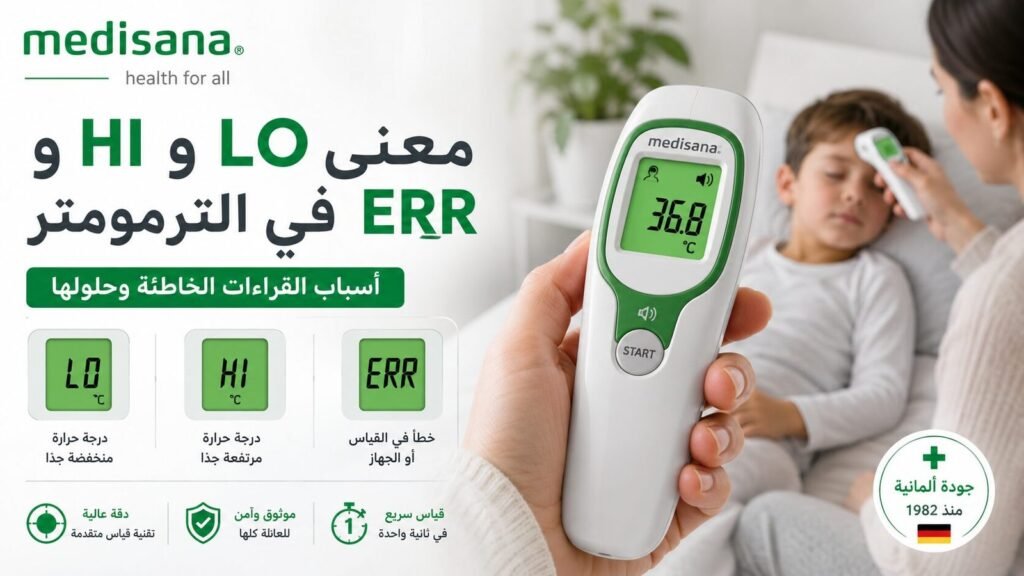
Understand LO, HI, ERR, E1, E2 and battery symbols on digital thermometers, what they may mean, and the correct troubleshooting order before requesting support.
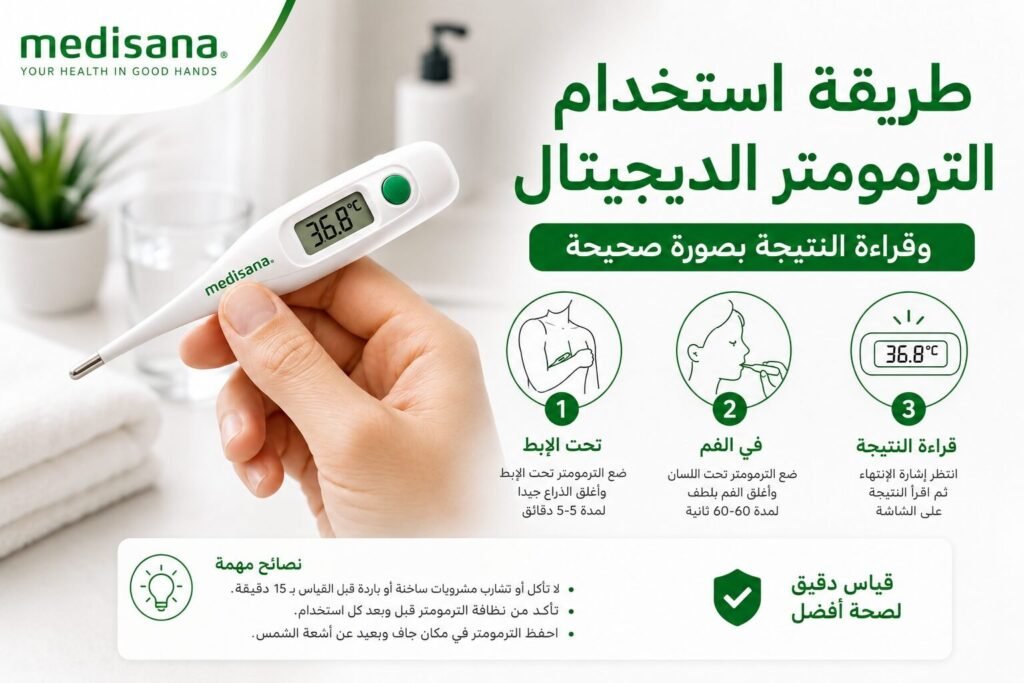
Learn how to use a digital contact thermometer correctly for armpit or oral measurement, read the result, clean the probe and handle LO, HI or ERR safely.
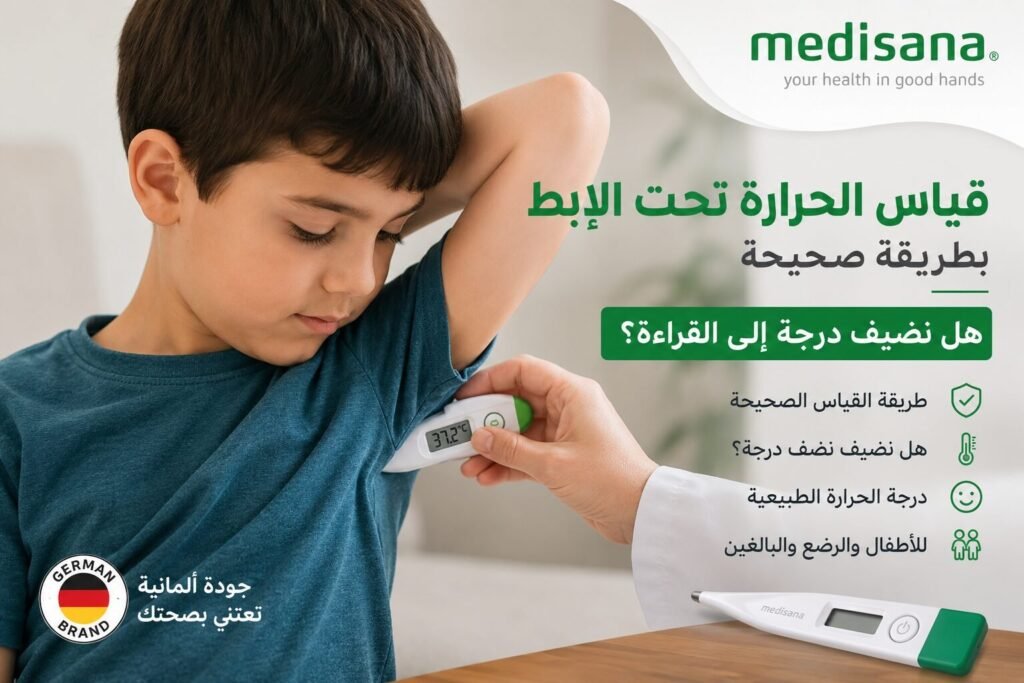
Learn how to measure temperature under the armpit correctly, where to place the thermometer, why you should not automatically add a degree, and when to confirm a reading.
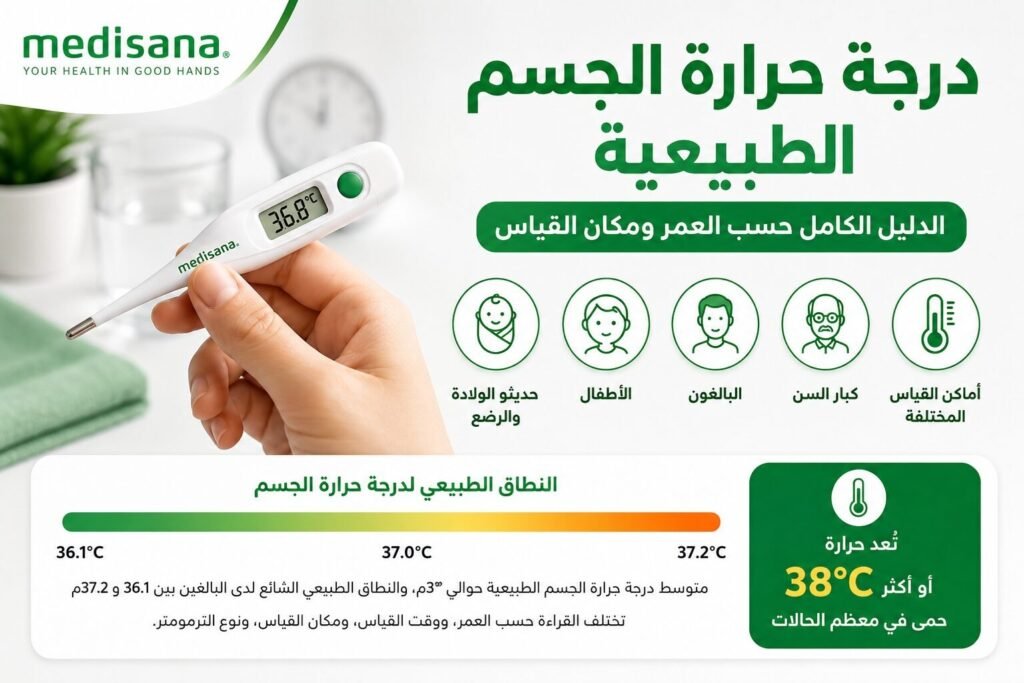
Understand normal body temperature by age, time of day and measurement site, including what 36°C, 37°C, 37.5°C and 38°C can mean and when symptoms matter more than the number.
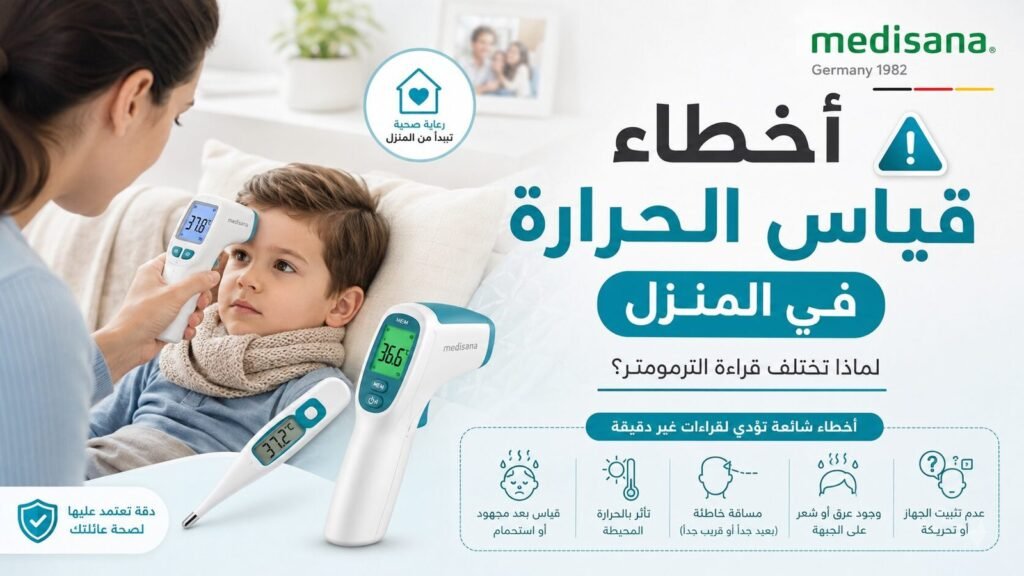
Thermometer readings different at home? Check measurement site, timing, Body mode, probe contact, forehead distance, sweat, battery and repeat technique before blaming the device.
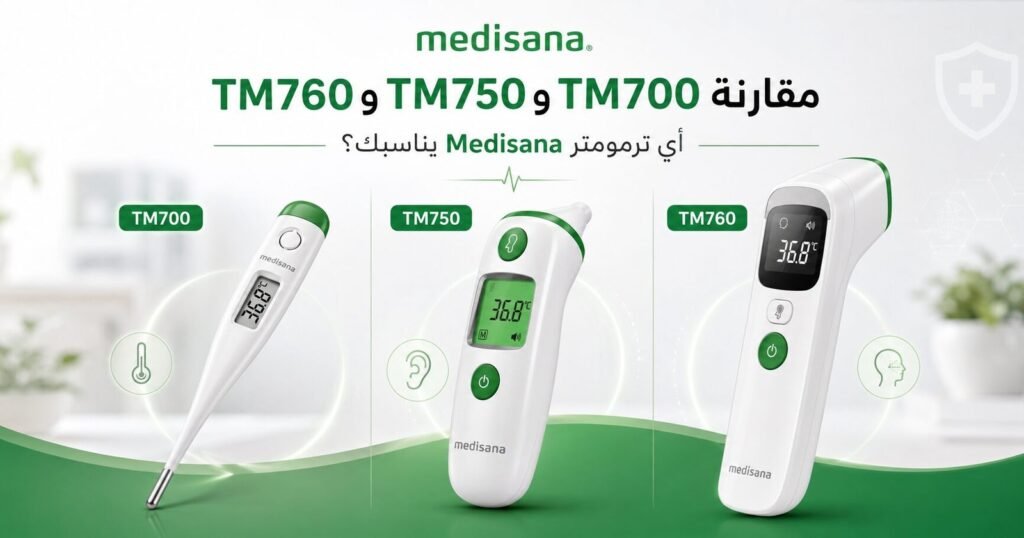
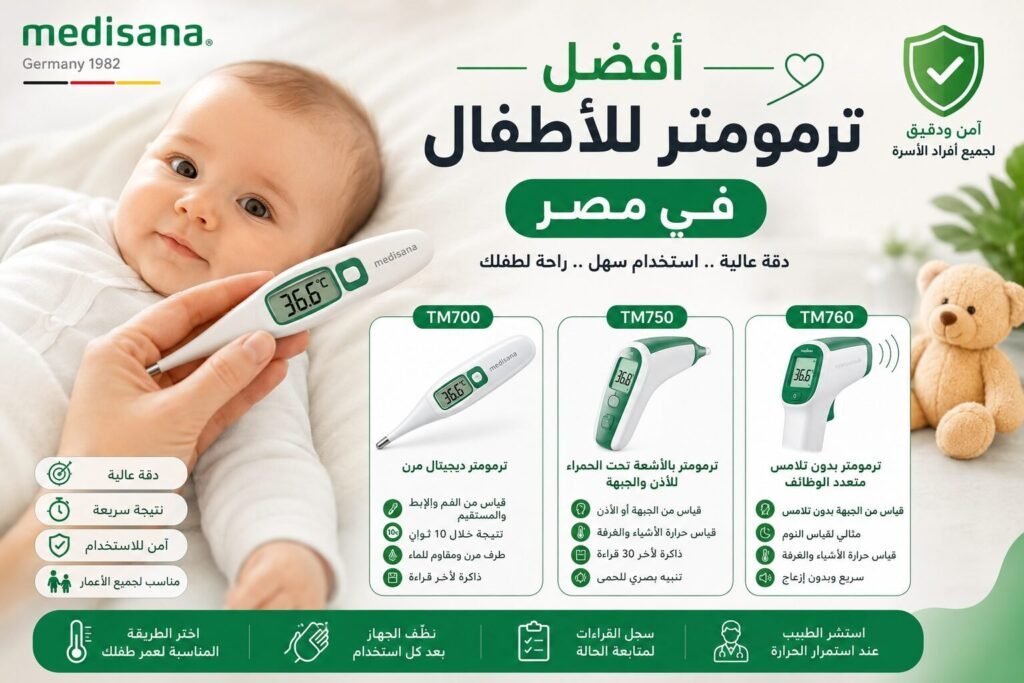
Compare Medisana TM 700, TM 750 Connect and TM 760 for children by age, measurement site, contact vs no-contact use, memory, Bluetooth and sleep-time convenience.
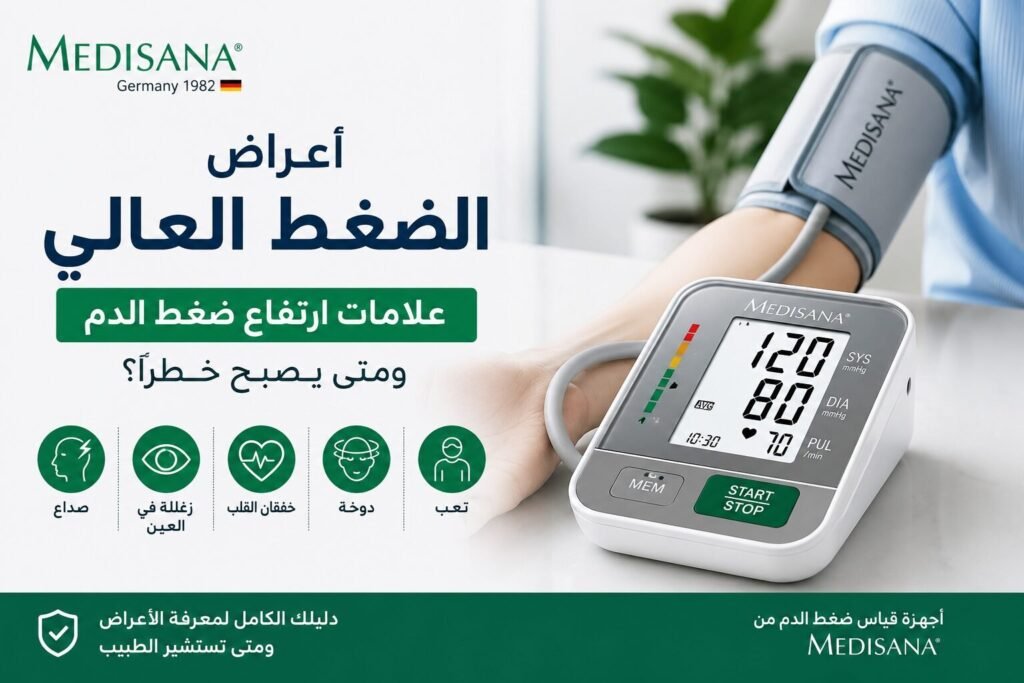
High blood pressure usually causes no symptoms. Learn what headache, dizziness or blurred vision can and cannot tell you, and when a reading above 180/120 with symptoms is an emergency.