Medical Devices: Your Guide to the Latest Health Technologies and Equipment
12
Oct
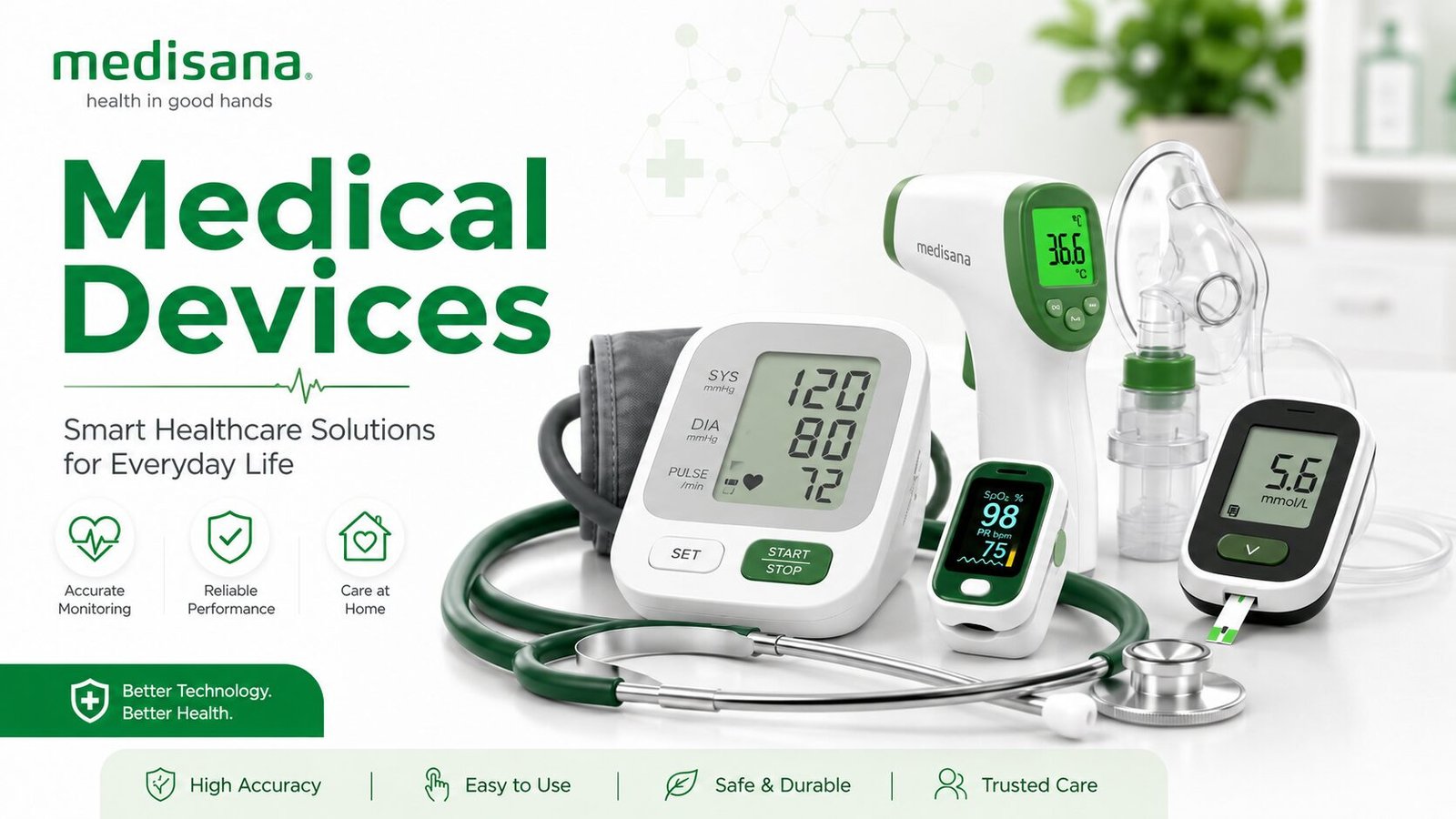
In a world where innovation is moving faster than ever and healthcare is becoming more connected, medical devices are no longer limited to hospitals, clinics, or operating rooms. They have become an essential part of everyday life, helping people monitor their health at home, manage chronic conditions, and detect potential health issues earlier.Today, healthcare devices combine medical accuracy with modern technology to provide smarter, easier, and more reliable solutions. From blood pressure monitors and thermometers to oxygen saturation devices and smart health trackers, modern medical equipment helps individuals and healthcare providers track vital signs, improve care decisions, and reduce the need for emergency intervention.
Healthcare Devices
Healthcare devices have become a core part of modern health systems. They are no longer used only by doctors and medical professionals. Many devices are now designed for safe and simple home use, giving families better control over daily health monitoring.
From advanced medical devices powered by artificial intelligence and the Internet of Things to traditional medical equipment used in clinics and hospitals, every device plays a role in building a smarter and more efficient healthcare future.
Modern medical technology has opened new possibilities in diagnosis, treatment, and health monitoring. Smart medical devices can measure heart rate, blood oxygen levels, blood pressure, body temperature, and other vital signs. Some devices can also connect to mobile applications and share health data with doctors, allowing faster follow-up and better decision-making.
As healthcare continues to move toward digital integration, the need for reliable, certified, and accurate medical devices is becoming more important than ever. Whether used in a hospital, clinic, pharmacy, home, or elderly care setting, the right equipment can improve safety, save time, and support better health outcomes.
Whether you are a doctor, a healthcare facility manager, or someone who wants to protect your family’s health, choosing high-quality medical equipment is an investment in long-term safety, comfort, and quality of life.
Medical devices are tools, instruments, machines, or equipment used for medical purposes such as diagnosis, treatment, monitoring, prevention, or support of a health condition. They range from simple home medical supplies to advanced hospital equipment such as X-ray machines, MRI scanners, ventilators, and surgical systems.
Types of Medical Devices
Diagnostic devices: such as ECG machines, ultrasound devices, thermometers, and imaging equipment.
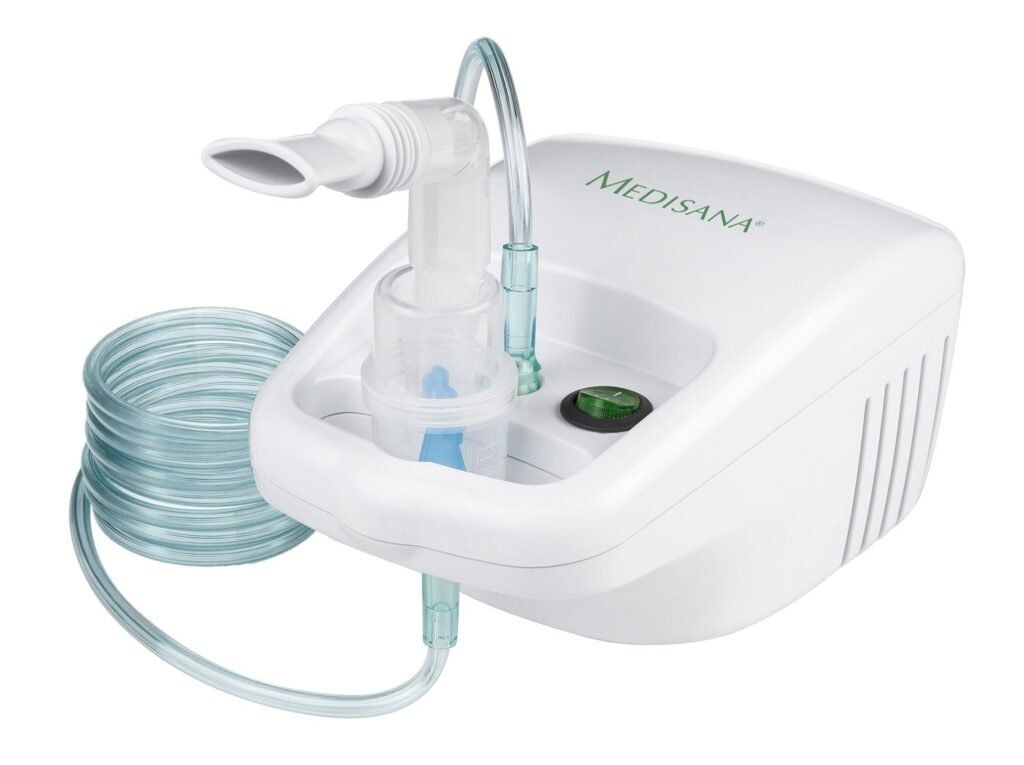
Therapeutic devices: such as ventilators, infusion pumps, nebulizers, and medical laser devices.
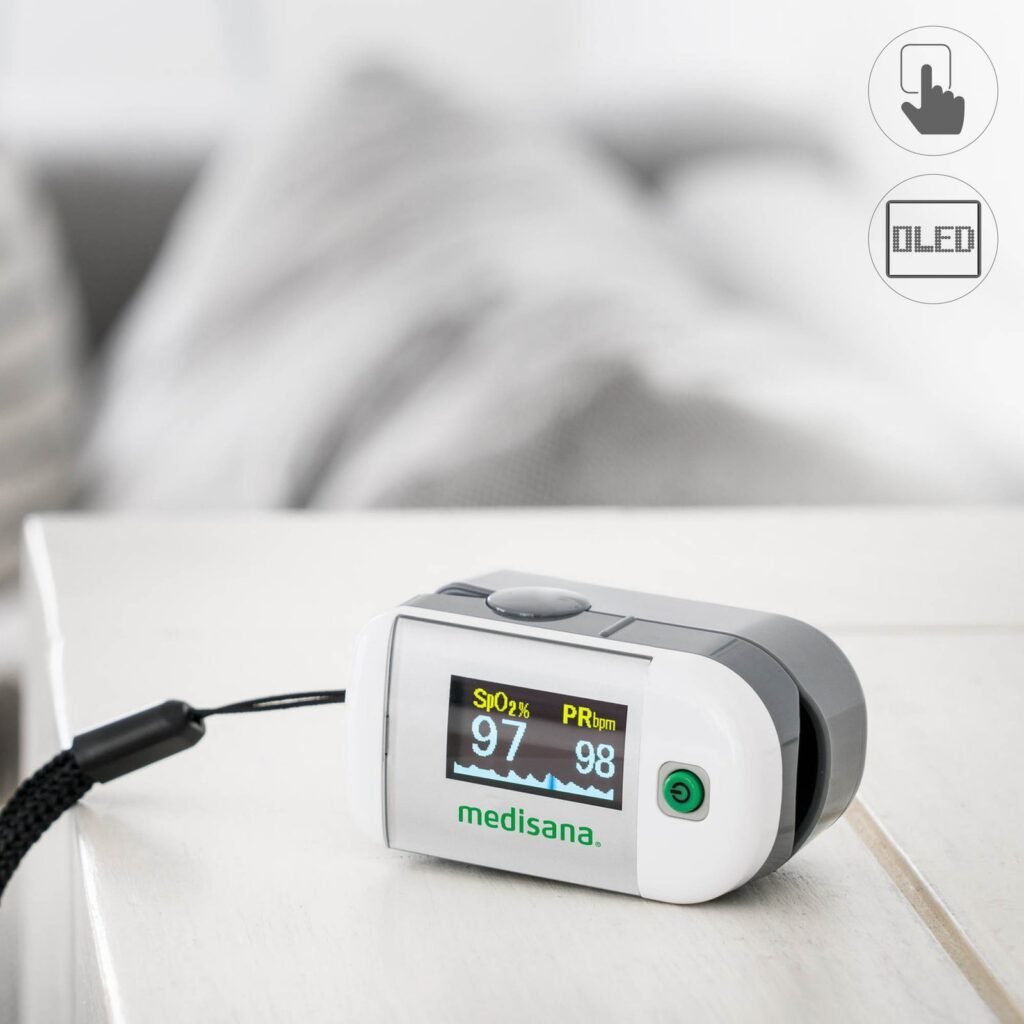
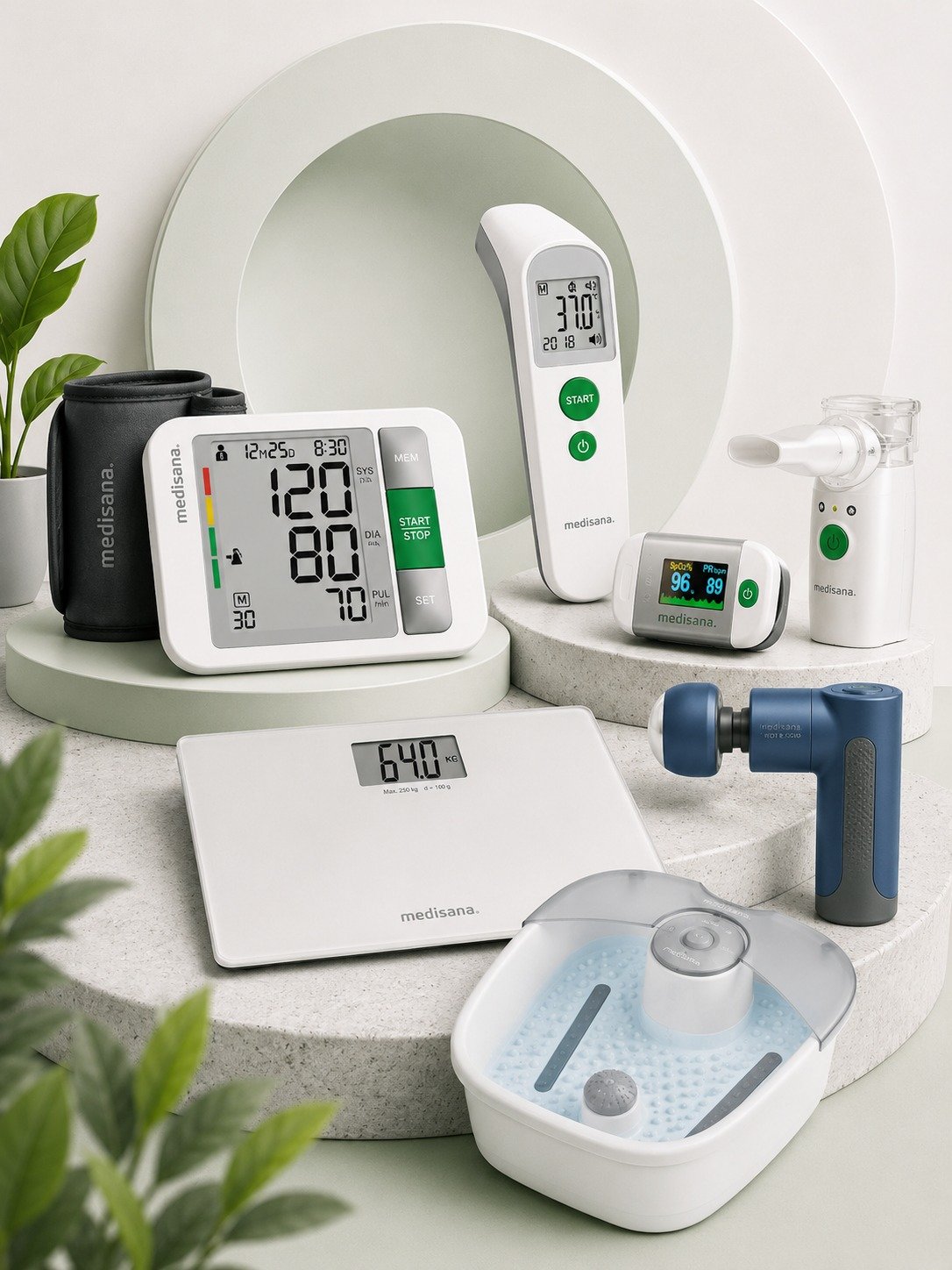
Monitoring devices: such as blood pressure monitors, pulse oximeters, glucose meters, and heart rate monitors.
Surgical devices: such as surgical instruments and operating room equipment.
Life-support devices: such as dialysis machines, ventilators, and oxygen therapy equipment.
Second: The Importance of Medical Devices in Healthcare
Medical devices are the backbone of any effective healthcare system. They support doctors, nurses, caregivers, and patients by improving diagnosis, treatment, monitoring, and prevention.
Reliable healthcare devices help with:
Early detection of diseases.
Improving diagnostic accuracy.
Monitoring chronic health conditions.
Supporting emergency and intensive care.
Reducing medical errors.
Improving patient safety and treatment outcomes.
For example, a patient in intensive care cannot be monitored properly without blood pressure monitors, oxygen saturation devices, heart monitors, and other essential equipment. These devices are not a luxury; they are a critical part of safe and effective medical care.
Third: Modern Medical Technologies Changing Healthcare
Medical technology has developed rapidly in recent years. New healthcare solutions now focus on accuracy, speed, comfort, and real-time monitoring.
Some of the most important modern medical technologies include:
Artificial intelligence for faster and more accurate diagnosis.
Robotic surgery for highly precise medical procedures.
Wearable medical devices that track vital signs in real time.
Cloud-based health systems for storing and analyzing patient data.
Smart home healthcare devices for daily monitoring and prevention.
For example, smartwatches and wearable health devices can monitor heart rate, detect irregularities, track sleep patterns, and alert users when something needs attention. This helps people act earlier instead of waiting until symptoms become serious.
Fourth: How to Choose the Right Medical Devices
Choosing the right medical equipment requires more than comparing prices. Accuracy, safety, certification, ease of use, and after-sales support are all important factors.
Before buying medical devices or medical supplies, consider the following:
Quality certification: such as FDA, CE, or other recognized standards.
Accuracy: especially for monitoring devices such as blood pressure monitors and glucose meters.
Ease of use: especially for home users and elderly patients.
Warranty and maintenance: to ensure long-term reliability.
Spare parts and accessories: such as cuffs, sensors, filters, and batteries.
Suitability: the device must match the needs of the clinic, facility, or home user.
Medical supplies such as gloves, masks, thermometers, surgical tools, and disinfectants may seem simple, but they remain essential for any complete healthcare setup.
With the advancement of technology, it has become easier to use modern medical devices at home. These devices help people monitor their health regularly, especially patients with chronic conditions, elderly people, and families who want better preventive care.
Common home medical devices include:
Blood pressure monitors.
Blood glucose meters.
Oxygen saturation monitors.
Digital thermometers.
Nebulizers.
Portable ECG devices.
CPAP devices for sleep apnea.
These smart healthcare devices make daily health tracking easier and reduce the need for unnecessary hospital visits. They also help users notice changes earlier and share more accurate information with their doctors.
Sixth: Challenges in the Medical Devices Sector
Despite the rapid growth of the medical devices industry, several challenges still affect availability, cost, and proper use.
The most common challenges include:
The high cost of some advanced medical devices.
Limited availability of certain equipment in developing markets.
Lack of trained staff to operate advanced technology.
Maintenance and spare parts issues.
Difficulty choosing certified and reliable products.
However, these challenges are gradually decreasing due to digital transformation, increased awareness, online access to medical supplies, and local manufacturing initiatives in several Arab countries.
Seventh: The Future of Medical Devices in the Arab World
The future of medical devices in the Arab world looks promising. Many Arab countries are investing in hospital infrastructure, digital healthcare, local manufacturing, and advanced medical technology. At the same time, new startups are developing smart medical devices that are more affordable, accessible, and suitable for local markets.
The future direction includes:
Expanding home healthcare devices.
Improving access to certified medical equipment.
Developing smart and connected medical devices.
Supporting local innovation in advanced healthcare technology.
Moving toward more eco-friendly medical supplies.
This growth will make healthcare more accessible, more preventive, and more connected between patients and healthcare providers.
Conclusion
The world of medical devices is no longer limited to hospitals, laboratories, or operating rooms. Today, medical devices are part of everyday life. From simple home medical supplies such as blood pressure monitors, thermometers, and oximeters to advanced technologies used in emergency departments and intensive care units, these tools all serve one clear purpose: improving quality of life and supporting safer healthcare.
The rapid development of medical technology and the rise of smart medical devices have made accurate diagnosis, effective treatment, and continuous monitoring easier than ever. With the right medical equipment, healthcare can become faster, safer, and more reliable—whether inside a medical facility or at home.
If you own a clinic, manage a healthcare facility, or simply care about your family’s health, investing in certified and high-quality medical devices is one of the most important decisions you can make. The right equipment helps reduce errors, save time, improve monitoring, and provide better care.
Start choosing reliable healthcare devices today, and support your health and the health of your loved ones with modern, practical, and trusted medical solutions.
To move from general device information to current shopping options, browse the Medisana products in Egypt hub.
Frequently Asked Questions
What is the difference between a medical device and a medical supply?
A medical device measures, monitors, or treats (like a blood pressure monitor), while a medical supply is a consumable or accessory item (like gloves, cuffs, or filters) used with or alongside devices.
What certifications should I look for before buying?
Look for recognized quality marks such as CE or FDA clearance, and confirm the seller can provide a warranty and genuine spare parts.
Are home medical devices as accurate as hospital equipment?
Reputable home devices from established manufacturers can offer accuracy close to clinical equipment when used correctly, but they are monitoring tools, not diagnostic replacements for a doctor.
Do I need a different device for each family member?
Not necessarily — many devices support multiple user profiles or memory slots, but personal-contact accessories (masks, cuffs) should be cleaned or replaced between users.
Authoritative medical-device reference
The World Health Organization defines medical devices broadly as instruments, apparatus, machines, software or related products intended for medical purposes such as prevention, diagnosis, monitoring, treatment or rehabilitation. WHO also emphasizes that appropriate selection, quality, maintenance and user training matter across the device life cycle.
This guide explains device categories and selection principles. It does not replace the manufacturer’s instructions, regulatory status checks or professional medical advice for a specific health condition.
For a practical household checklist, continue with the Home Health Essentials List, which organizes monitoring, respiratory, comfort and everyday-care products by use.
Shop from WeCare Egypt
Explore Trusted Home Medical Devices and Medical Supplies
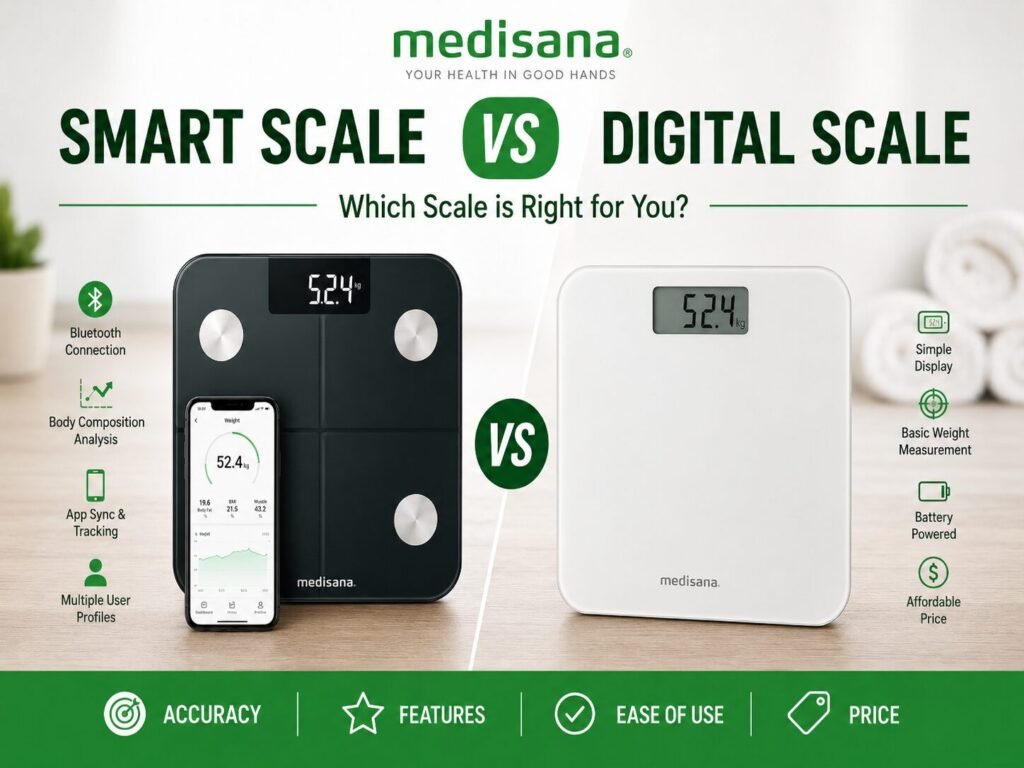
Compare blood pressure monitors, inhalation devices, weight scales, massage devices, and home health care products, then choose the most suitable option for your daily needs from WeCare Egypt.
Nebulizer not making mist? Troubleshoot compressor and mesh models by checking power, tubing, filter, cup assembly, batteries, mesh contact and cleaning—without changing the medication dose.
Learn why a pulse oximeter may show low or unstable SpO₂, how to repeat the measurement correctly, common accuracy limitations, and when symptoms need medical attention.
Learn what Perfusion Index (PI) means on a pulse oximeter, how it differs from SpO₂ and pulse rate, why PI changes, and how to use it as a signal-quality clue.
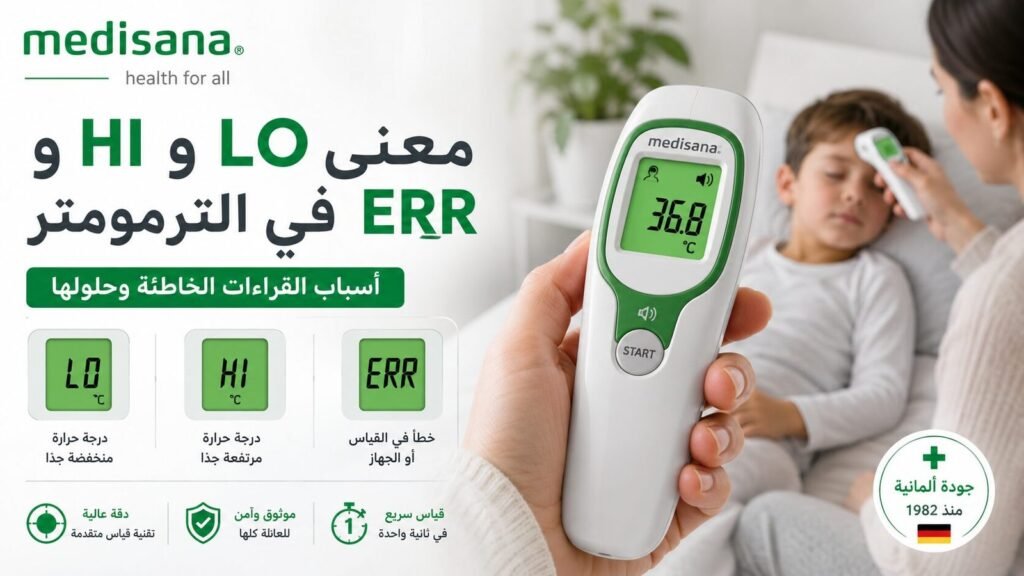
Understand LO, HI, ERR, E1, E2 and battery symbols on digital thermometers, what they may mean, and the correct troubleshooting order before requesting support.
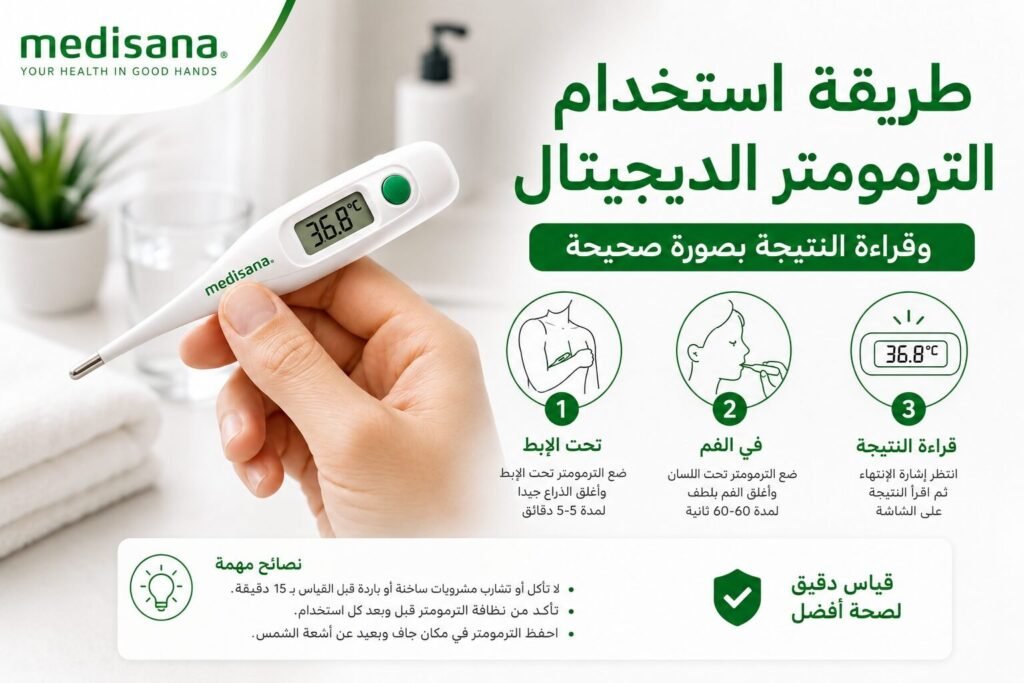
Learn how to use a digital contact thermometer correctly for armpit or oral measurement, read the result, clean the probe and handle LO, HI or ERR safely.
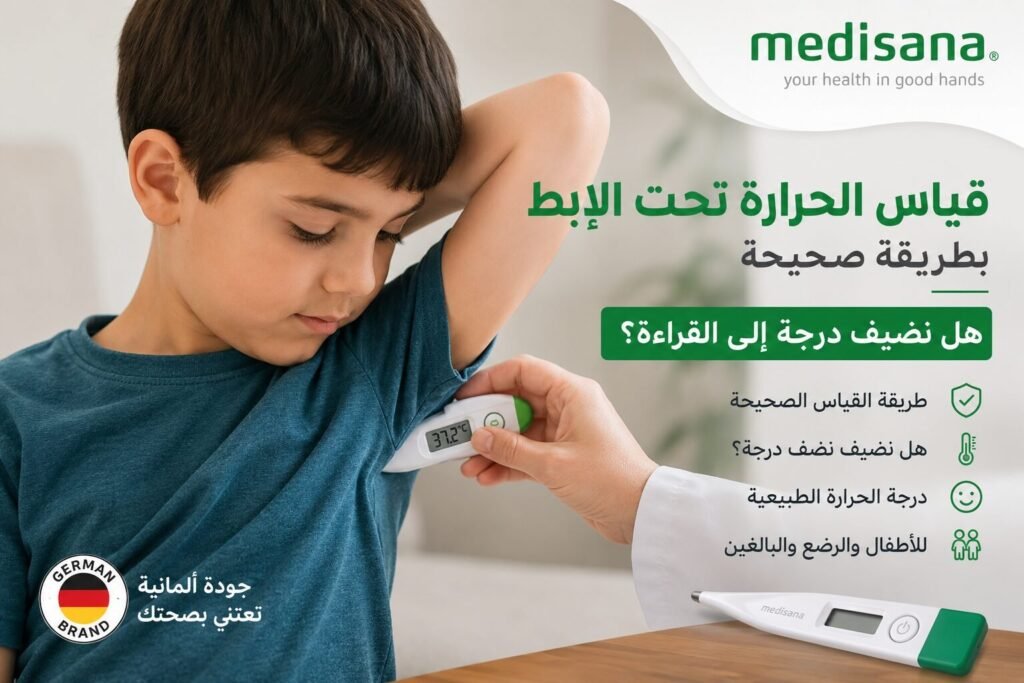
Learn how to measure temperature under the armpit correctly, where to place the thermometer, why you should not automatically add a degree, and when to confirm a reading.
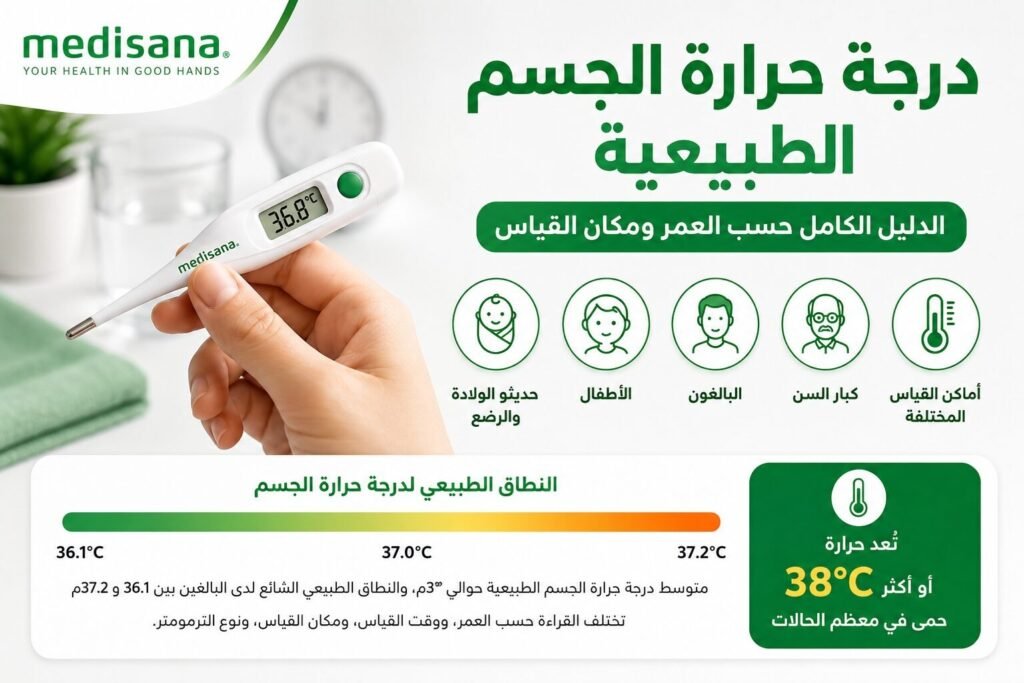
Understand normal body temperature by age, time of day and measurement site, including what 36°C, 37°C, 37.5°C and 38°C can mean and when symptoms matter more than the number.
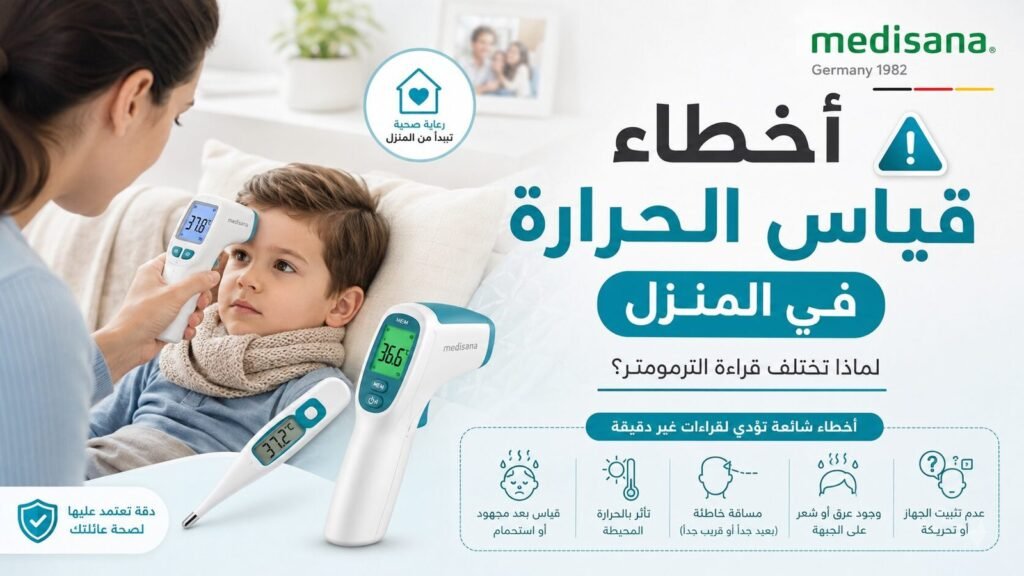
Thermometer readings different at home? Check measurement site, timing, Body mode, probe contact, forehead distance, sweat, battery and repeat technique before blaming the device.
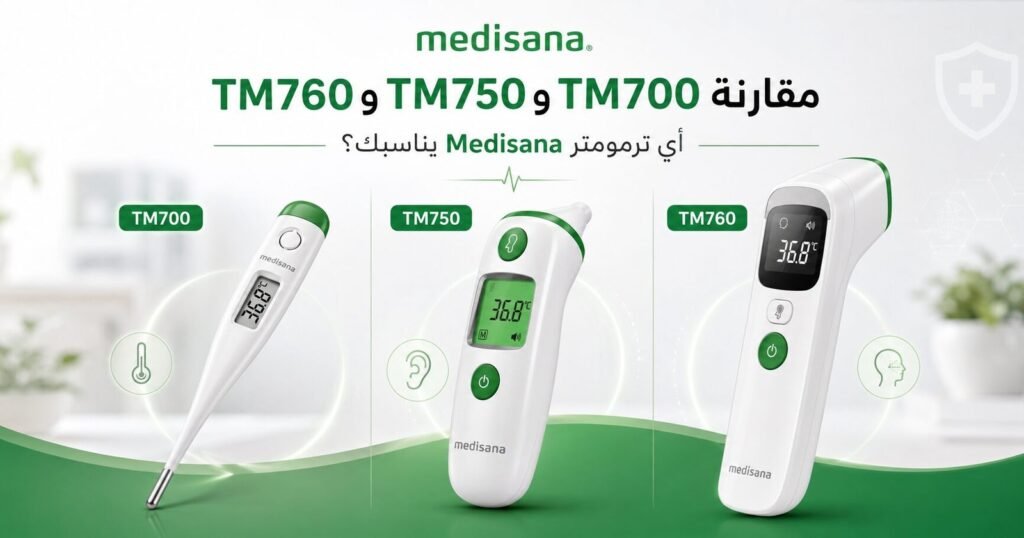
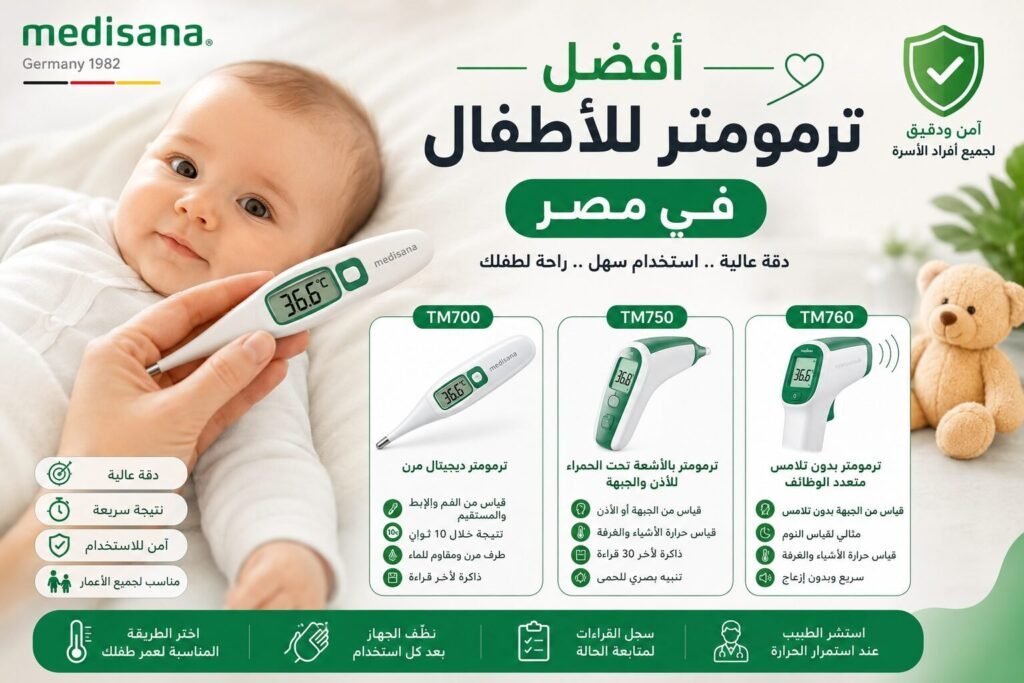
Compare Medisana TM 700, TM 750 Connect and TM 760 for children by age, measurement site, contact vs no-contact use, memory, Bluetooth and sleep-time convenience.
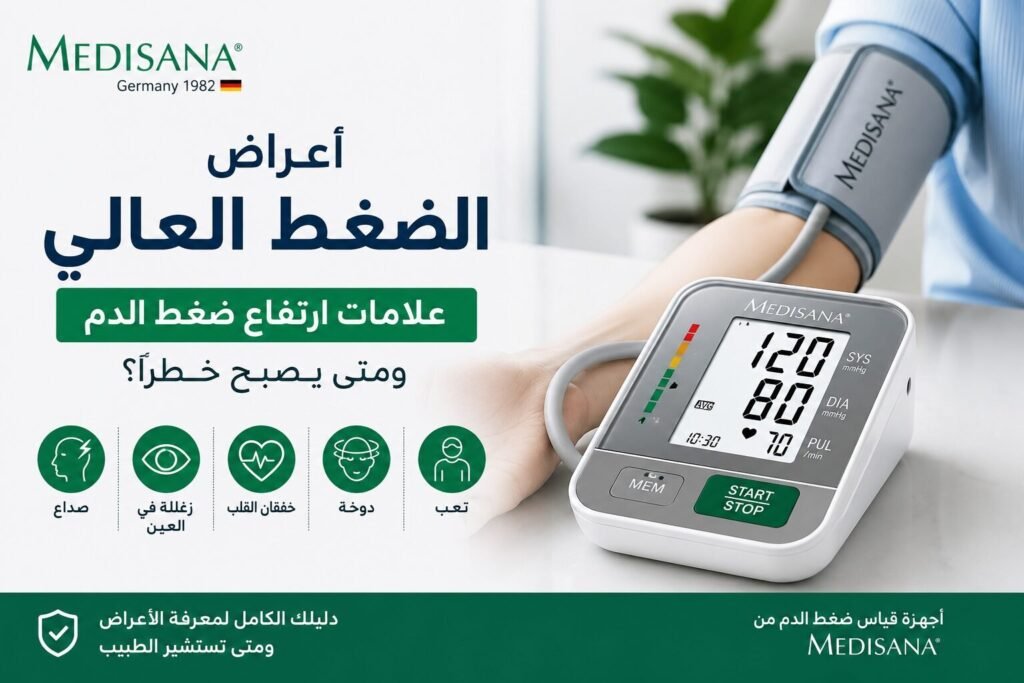
High blood pressure usually causes no symptoms. Learn what headache, dizziness or blurred vision can and cannot tell you, and when a reading above 180/120 with symptoms is an emergency.