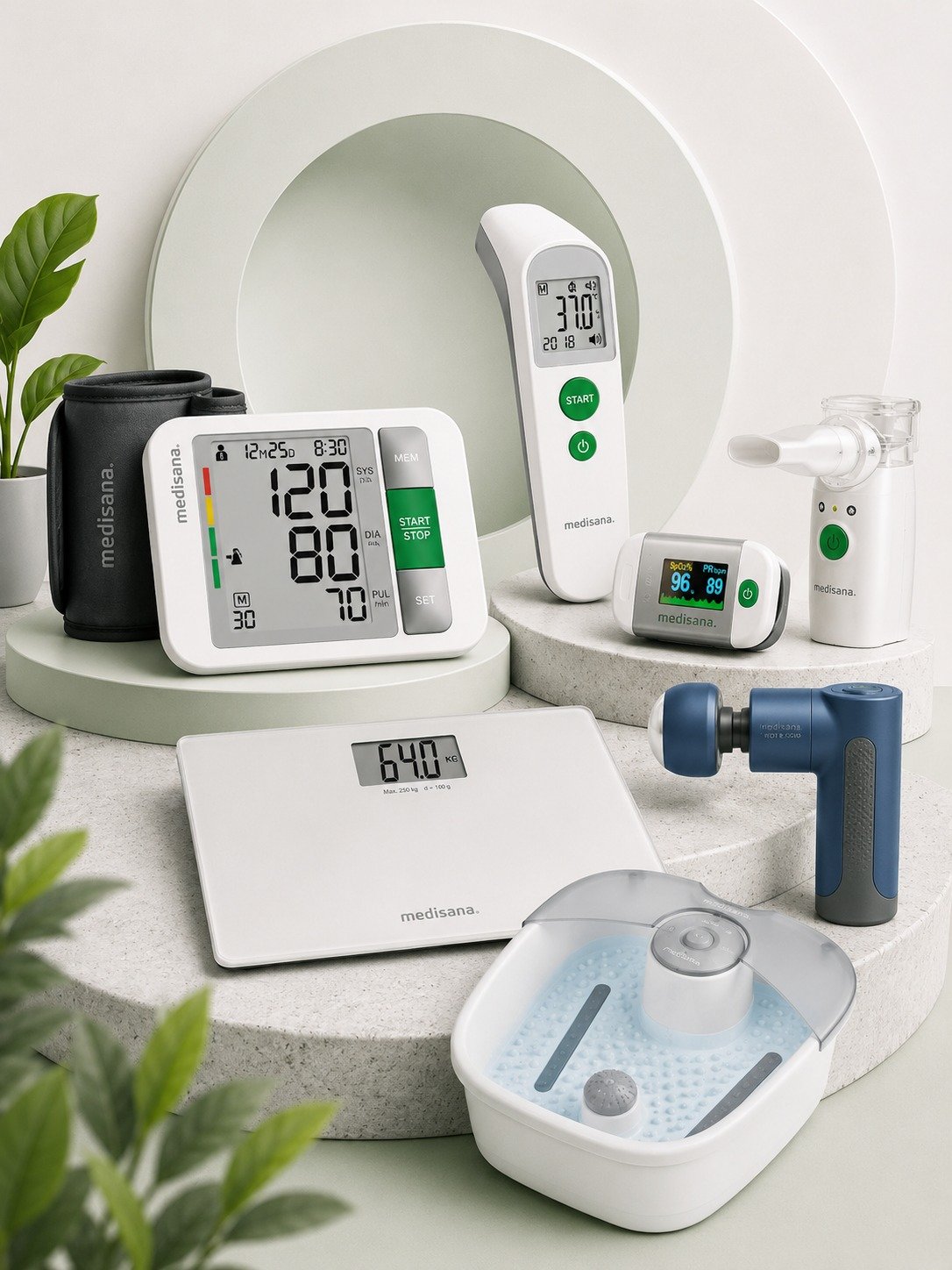
Home Health Essentials List: What You Actually Need at Home
31
May
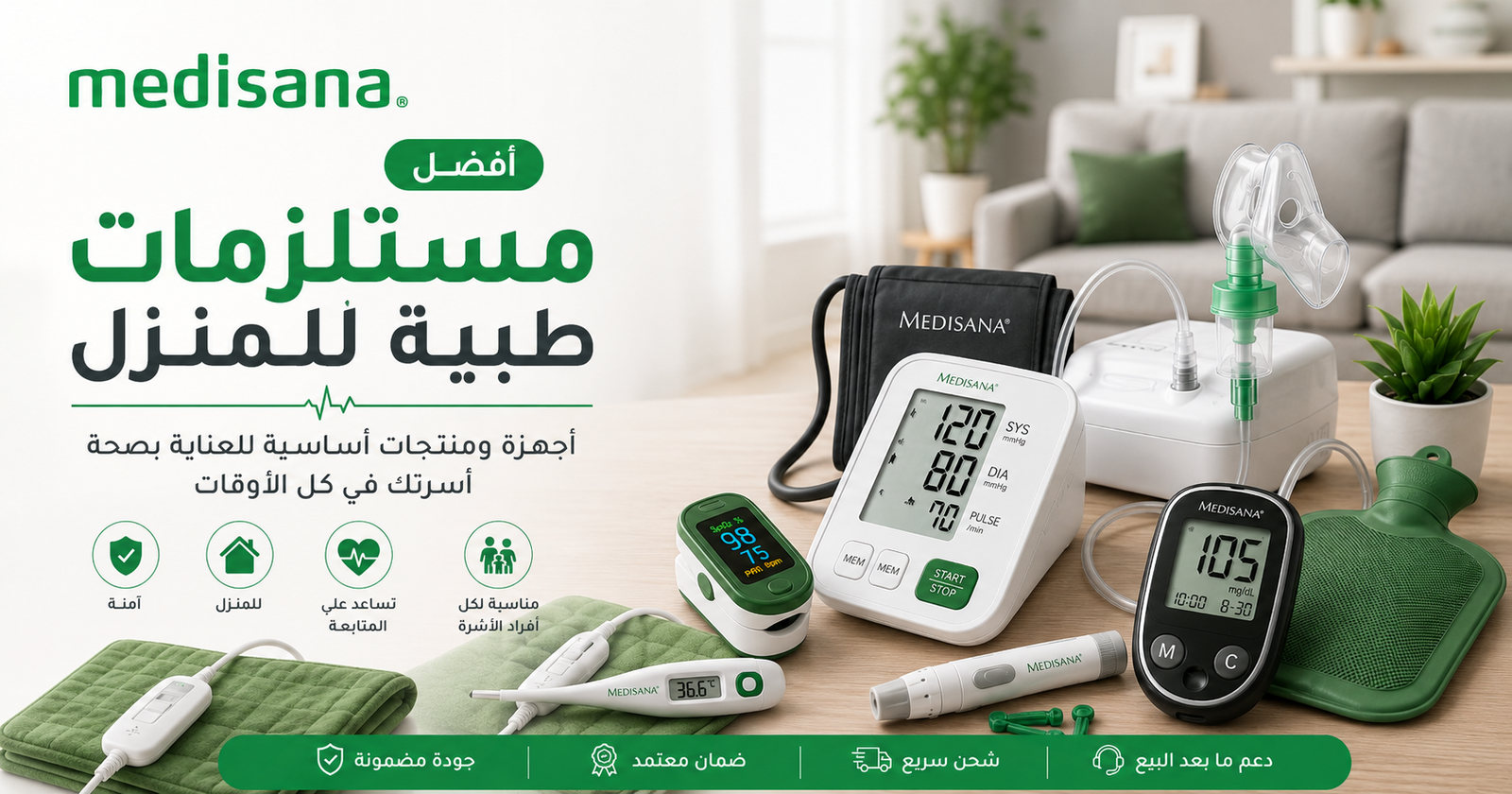
A useful home health essentials list should not be a shopping list of every device sold in a medical store. The right setup depends on who lives in the home, which health conditions are being monitored, whether children or older adults need extra support, and which products can actually be used correctly.
The goal of this guide is to help you prioritize. Some items are broadly useful for common home situations. Others only make sense when a person has a specific monitoring need or professional recommendation. Comfort products are optional and should not be presented as medical necessities.
Important: A home device is useful only when it matches a real need and is used correctly. It does not replace professional assessment when symptoms are serious, persistent or unexplained.
Quick home health essentials list by priority
Priority
Product type
When it makes sense
Key buying check
Broadly useful
Thermometer
Checking fever or body temperature when illness is suspected.
Measurement method, age suitability, clear instructions.
Need-based
Blood pressure monitor
For people advised to monitor blood pressure, many older adults, or households tracking hypertension.
Validated model and correct cuff fit.
Need-based
Blood glucose meter
When glucose monitoring is part of an established care plan.
Compatible test strips, expiry dates, ongoing availability.
Need-based
Pulse oximeter
When oxygen saturation monitoring is recommended or clinically relevant.
Correct use, stable reading and symptom awareness.
Need-based
Nebulizer
When prescribed or recommended for an inhalation treatment plan.
Technology, accessories, cleaning and medication instructions.
For relaxation or comfort, not diagnosis or treatment.
Body area, mechanism and contraindication guidance.
Start with people, not products
Before buying anything, build the list around the household. Ask:
Are there young children?
Does an older adult live in the home?
Does anyone monitor blood pressure, glucose or oxygen saturation?
Is a nebulizer part of a prescribed treatment routine?
Does anyone have difficulty reading small screens or handling complicated controls?
Are there products already in the home that only need fresh batteries, strips or replacement accessories?
This prevents duplicate purchases and keeps “just in case” spending under control.
1. Thermometer: the most broadly useful monitoring tool
A thermometer is one of the few health-monitoring tools that can be useful in almost any household because fever can occur across age groups. The right type depends on how and where you want to measure temperature.
Before buying, check:
the intended measurement site;
age suitability;
measurement time;
cleaning requirements;
battery type;
whether the display is easy to read.
If you need a current option, browse the thermometer category. Compare contact, ear/forehead and non-contact models by their intended measurement method rather than treating readings from different sites as identical.
2. Blood pressure monitor: essential only when blood pressure tracking is relevant
Not every household needs to measure blood pressure every day. A blood pressure monitor becomes a priority when someone has been advised to monitor at home, has hypertension or another reason for regular tracking, or needs an organized reading record for medical follow-up.
For most routine home users, an automatic upper-arm device is the usual starting point. Cuff fit and model validation are more important than choosing the longest feature list.
3. Blood glucose meter: buy it as a system, not just a device
A glucose meter is relevant when someone has a defined need for blood-glucose monitoring. The device itself is only part of the setup. Test-strip compatibility, strip availability, expiry dates, lancets, storage conditions and the monitoring plan all matter.
Do not buy a meter only because the hardware price looks attractive. Check the ongoing cost and local availability of compatible consumables before deciding.
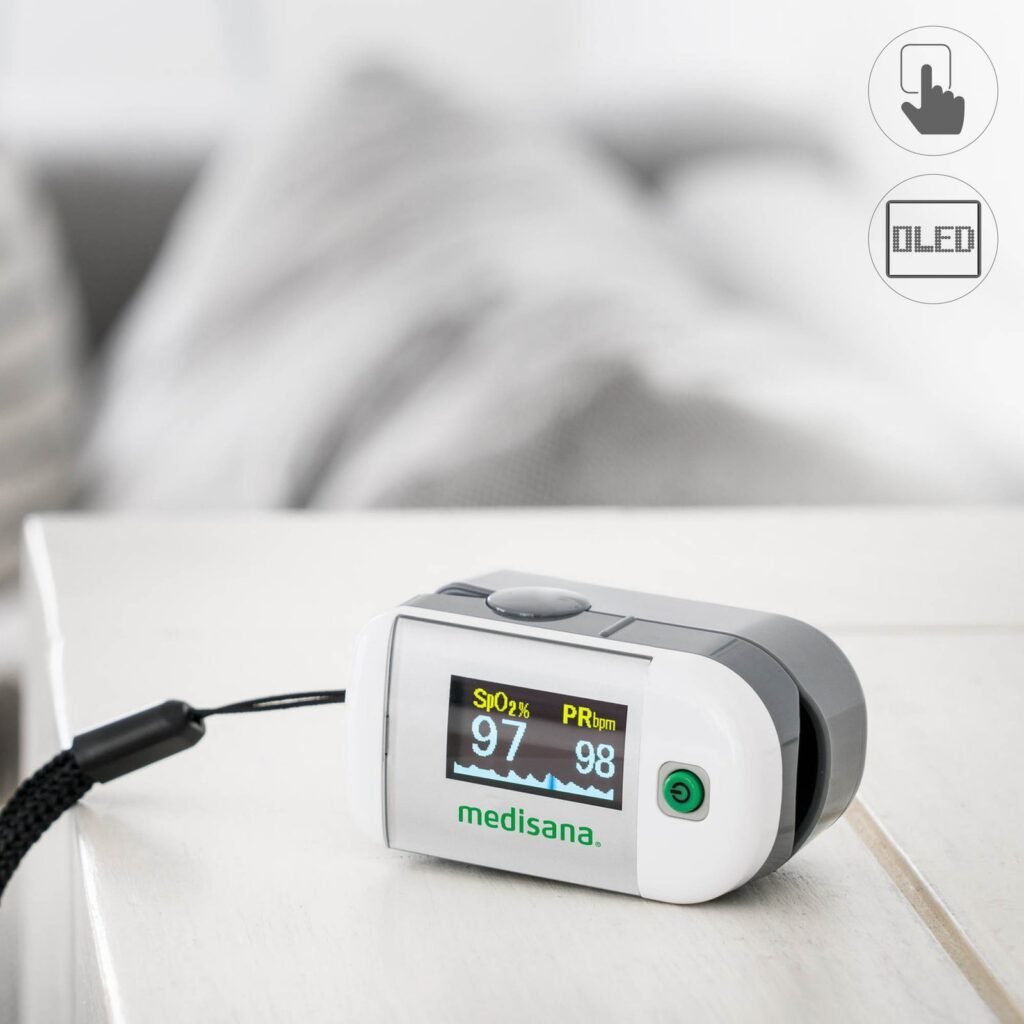
4. Pulse oximeter: useful for specific monitoring needs, not a universal household requirement
A pulse oximeter can be useful when oxygen saturation monitoring is clinically relevant or recommended. It should not be treated as a universal requirement for every family.
Correct use matters. Cold hands, movement, nail coverings and poor sensor placement can affect readings. More importantly, a normal-looking number should not be used to dismiss serious symptoms such as severe shortness of breath or chest pain.
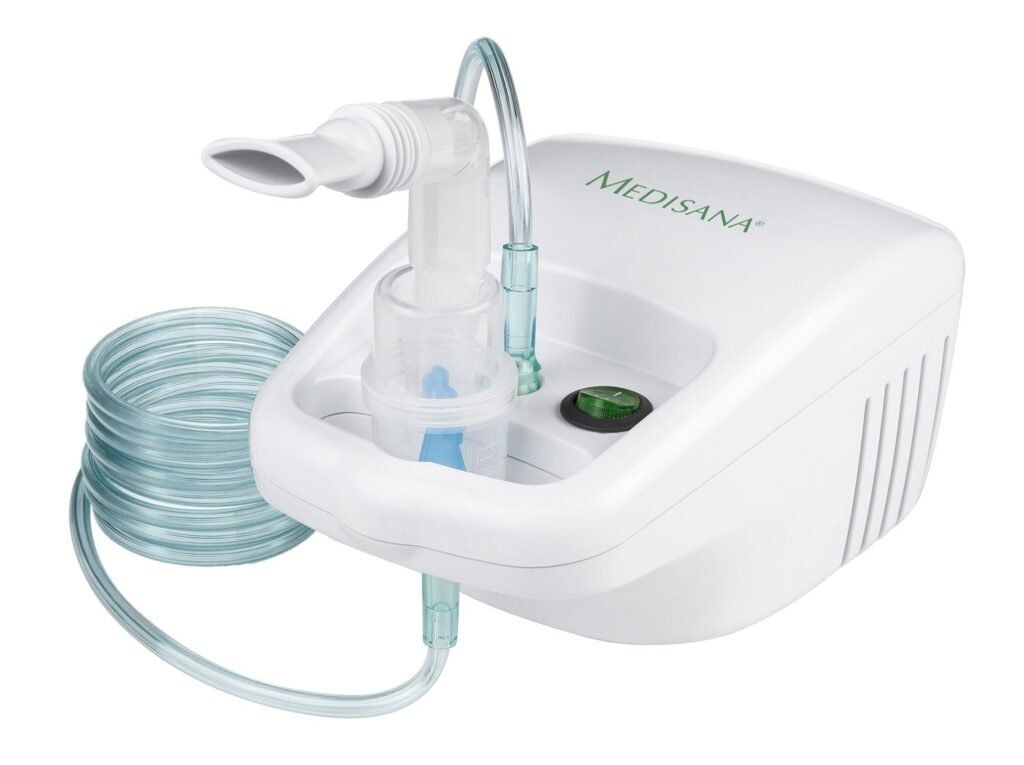
5. Nebulizer: only when there is a real respiratory-care need
A nebulizer should be on your essentials list when inhalation treatment is part of the user’s care plan. It is not a general wellness product and it does not determine which medication or dose should be used.
When choosing one, compare:
compressor versus mesh technology;
noise level;
power source;
included masks and mouthpieces;
cleaning method;
replacement accessory availability;
portability if treatment is needed away from home.
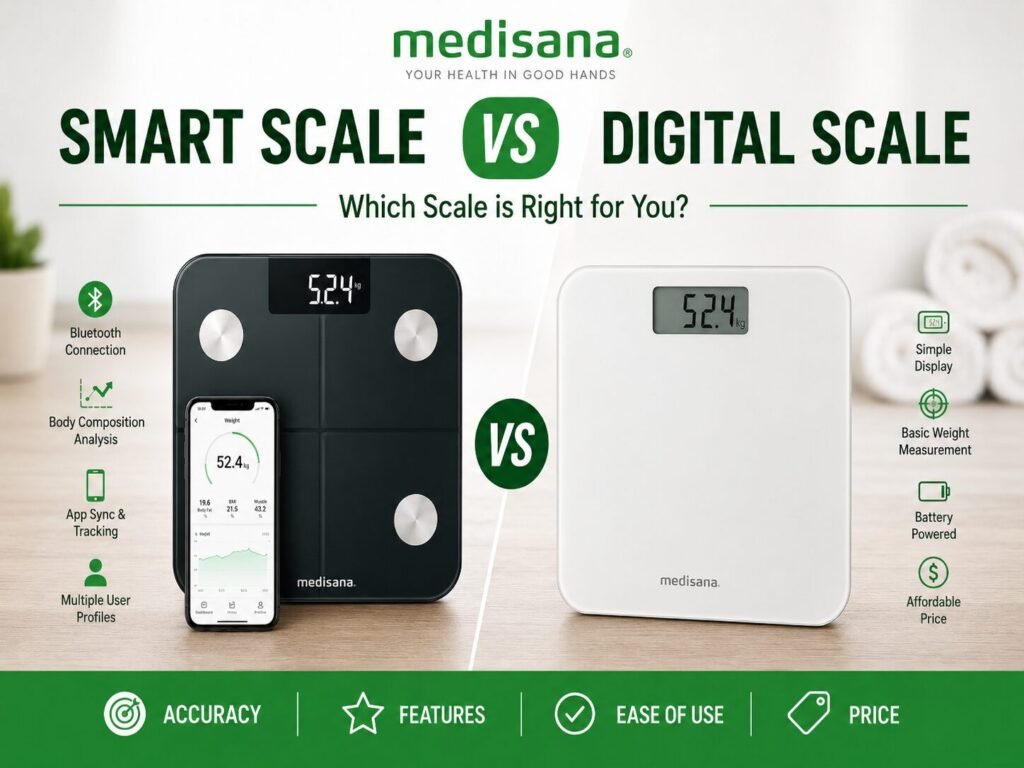
6. Digital scale: useful when you have a reason to track weight consistently
A digital scale is useful for weight-management programs, fitness tracking and some medical follow-up plans. Consistency is more valuable than obsessing over small day-to-day changes.
Use the scale on a hard, stable surface and measure under similar conditions when you want to compare trends. Check maximum capacity, platform size and display readability before buying.
See the current digital personal scales if regular weight tracking is part of your household routine.
7. Heating products: optional comfort, not a medical necessity
Heating pads, heated underblankets and hot water bottles can support warmth and comfort. They should not be framed as essential medical equipment or as guaranteed treatment for pain or disease.
For electrical heating products, check:
heat settings;
automatic shut-off if the exact model provides it;
controller and cable condition;
washing/care instructions;
manufacturer warnings and contraindications.
Browse heating products by intended use, not by heat level alone.
8. Massage devices: optional wellness and comfort products
A massage device may be useful for relaxation and comfort, but it is not a substitute for medical evaluation of persistent pain, injury, numbness or other concerning symptoms.
Choose according to the body area and massage mechanism. A foot massager, massage gun, neck massager and handheld vibration device are different products and should not be compared as if they provide the same experience.
The massage device category is the right place to compare the current mechanisms and intended body areas.
Home health essentials by household profile
Household profile
Start with
Add only if relevant
General household
Thermometer; basic first-aid supplies from an appropriate source
Scale or comfort products according to routine.
Home with young children
Age-appropriate thermometer
Nebulizer only when part of a prescribed care plan; other devices by medical need.
Home with an older adult
Thermometer; blood pressure monitor if monitoring is relevant
Pulse oximeter or other devices when medically appropriate; choose large, simple displays.
Hypertension monitoring
Validated upper-arm blood pressure monitor with correct cuff
Record-keeping method or multi-user memory as needed.
Respiratory treatment routine
Prescribed/appropriate nebulizer setup
Pulse oximeter only when relevant to the care plan.
Winter comfort
No medical monitor is automatically required
Heating pad, heated underblanket or hot water bottle if safe for the user.
What not to buy “just in case”
A disciplined essentials list should also tell you what to postpone. Avoid buying:
a medical monitor when nobody has a reason to use it;
a nebulizer without understanding the treatment need;
a device with consumables that are difficult to obtain;
a high-feature monitor that the intended user cannot operate;
multiple devices that measure the same thing without a clear reason;
a comfort device marketed with unsupported medical-treatment claims.
Owning a device is not enough. Periodically check the home health setup:
replace depleted batteries;
check expiry dates on strips or other consumables;
inspect cuffs, cables, tubing and controllers for damage;
keep manuals accessible;
clean and store products according to the manufacturer’s instructions;
remove products that are damaged, obsolete or no longer appropriate;
confirm that replacement consumables are still available.
Frequently asked questions
Does every home need a blood pressure monitor?
No. It is a priority when someone has a real need for blood pressure monitoring. Otherwise, buying one purely “just in case” may not add practical value.
Does every home need a pulse oximeter?
No. A pulse oximeter is useful for specific monitoring situations, not as a universal household requirement.
What is the most broadly useful health-monitoring device at home?
A thermometer is broadly useful because fever can occur across age groups. The right measurement method and age suitability still need to be considered.
Should I keep a nebulizer at home even if nobody uses inhalation treatment?
Not necessarily. A nebulizer is most useful when it is part of an actual respiratory treatment plan.
How often should I review home health equipment?
A practical review every six to twelve months—and whenever a user’s health needs change—helps catch depleted batteries, expired consumables, damaged accessories and products that are no longer suitable.
Next step
If you already know which type of product your household needs, browse the WeCare Egypt store by use and compare the exact models. If you are still deciding what each product category actually does, see home healthcare products: types and uses.
Content reviewed August 2026. Device needs vary by household and health condition; use professional guidance where monitoring or treatment decisions require it.
Shop from WeCare Egypt
Explore Trusted Home Medical Devices and Medical Supplies
Compare blood pressure monitors, inhalation devices, weight scales, massage devices, and home health care products, then choose the most suitable option for your daily needs from WeCare Egypt.
Nebulizer not making mist? Troubleshoot compressor and mesh models by checking power, tubing, filter, cup assembly, batteries, mesh contact and cleaning—without changing the medication dose.
Learn why a pulse oximeter may show low or unstable SpO₂, how to repeat the measurement correctly, common accuracy limitations, and when symptoms need medical attention.
Learn what Perfusion Index (PI) means on a pulse oximeter, how it differs from SpO₂ and pulse rate, why PI changes, and how to use it as a signal-quality clue.
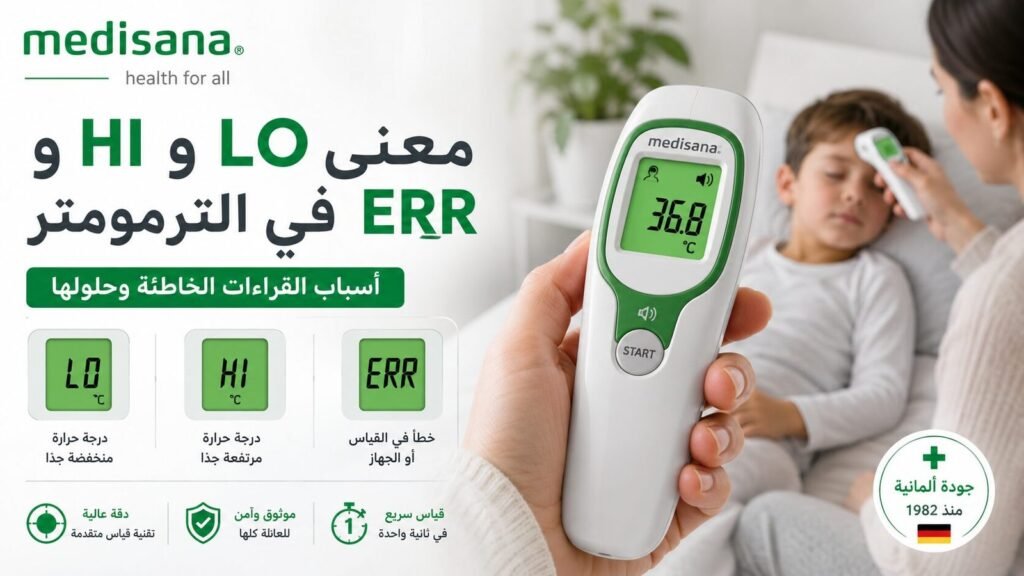
Understand LO, HI, ERR, E1, E2 and battery symbols on digital thermometers, what they may mean, and the correct troubleshooting order before requesting support.
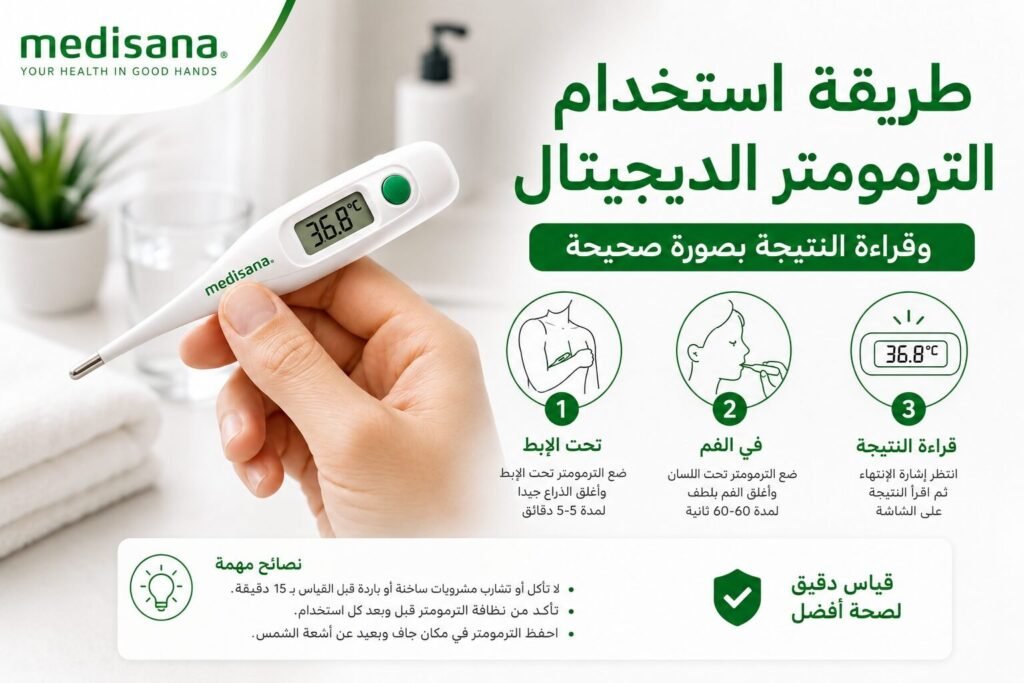
Learn how to use a digital contact thermometer correctly for armpit or oral measurement, read the result, clean the probe and handle LO, HI or ERR safely.
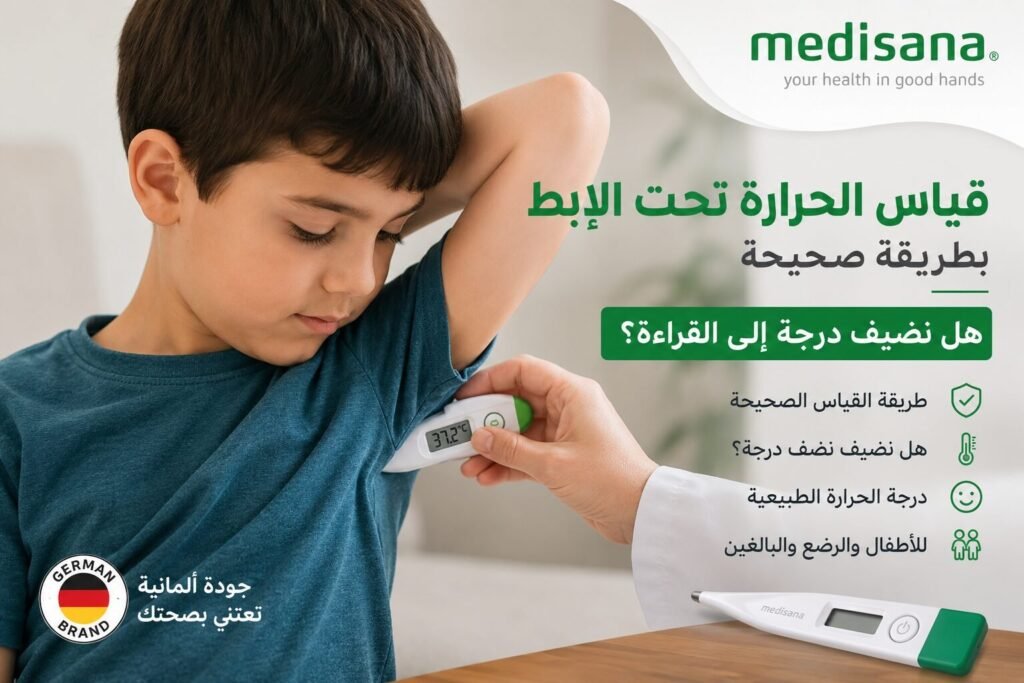
Learn how to measure temperature under the armpit correctly, where to place the thermometer, why you should not automatically add a degree, and when to confirm a reading.
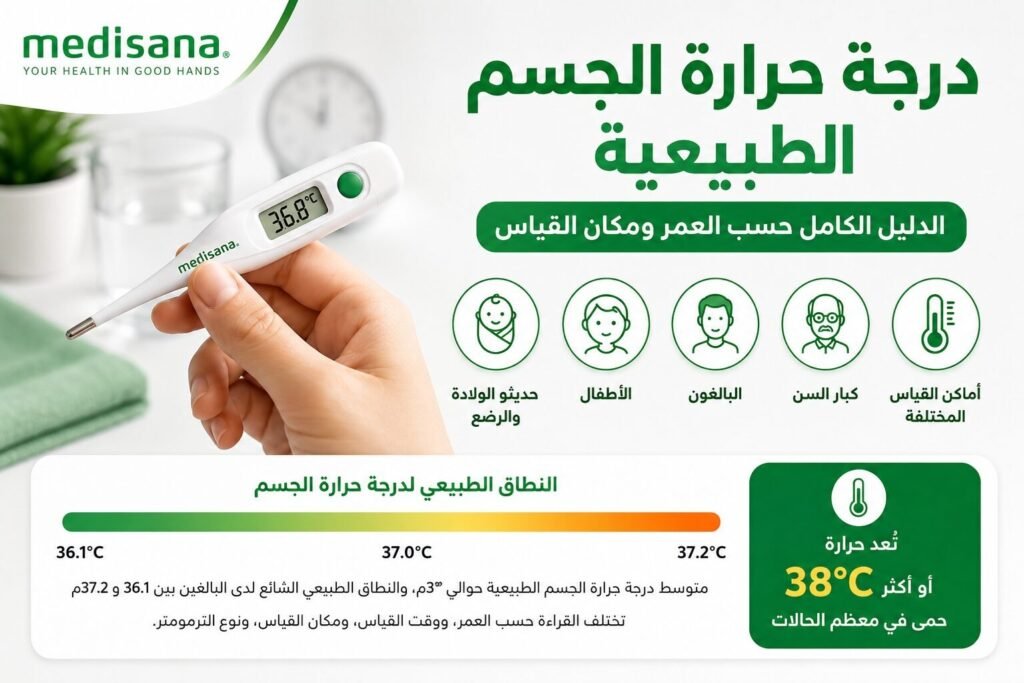
Understand normal body temperature by age, time of day and measurement site, including what 36°C, 37°C, 37.5°C and 38°C can mean and when symptoms matter more than the number.
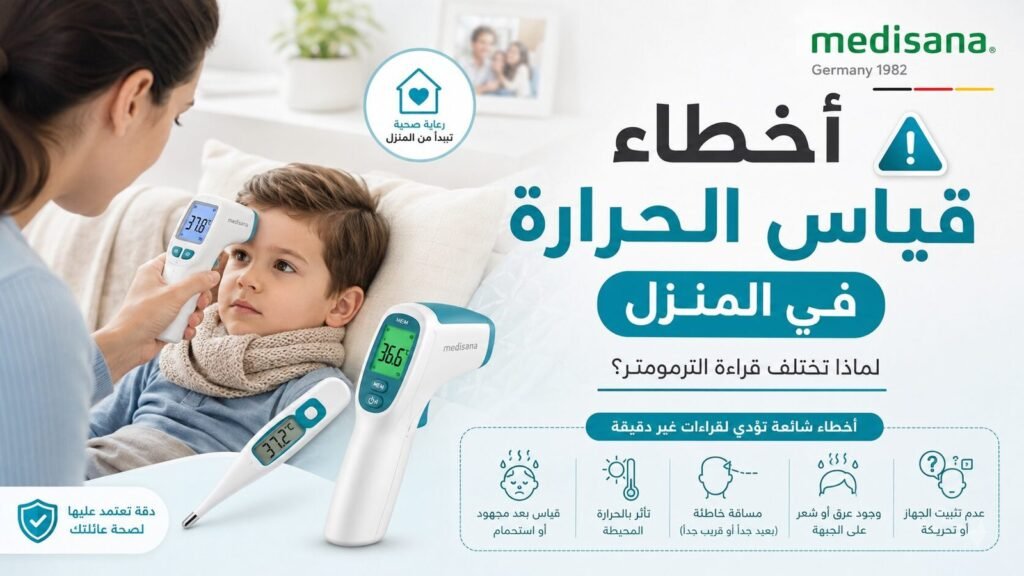
Thermometer readings different at home? Check measurement site, timing, Body mode, probe contact, forehead distance, sweat, battery and repeat technique before blaming the device.
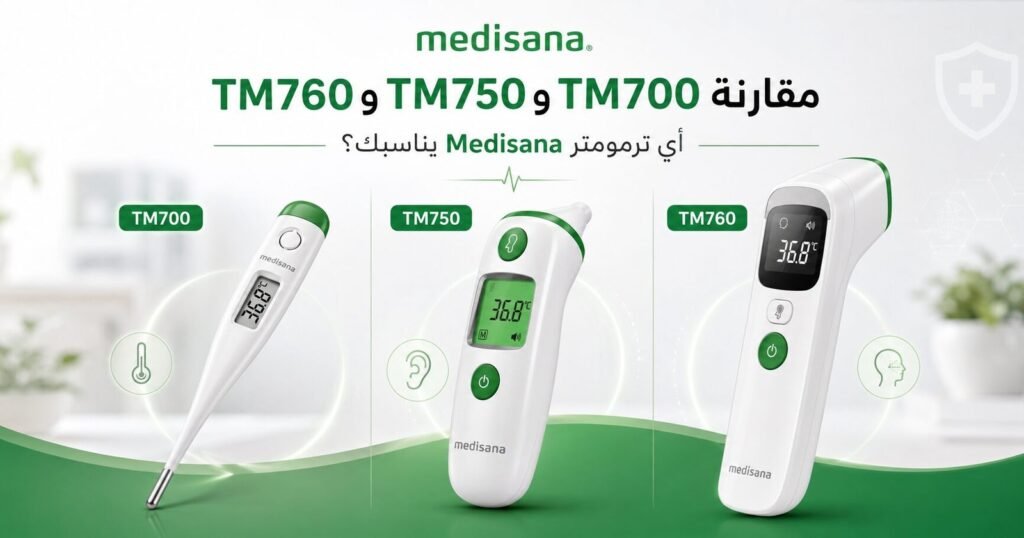
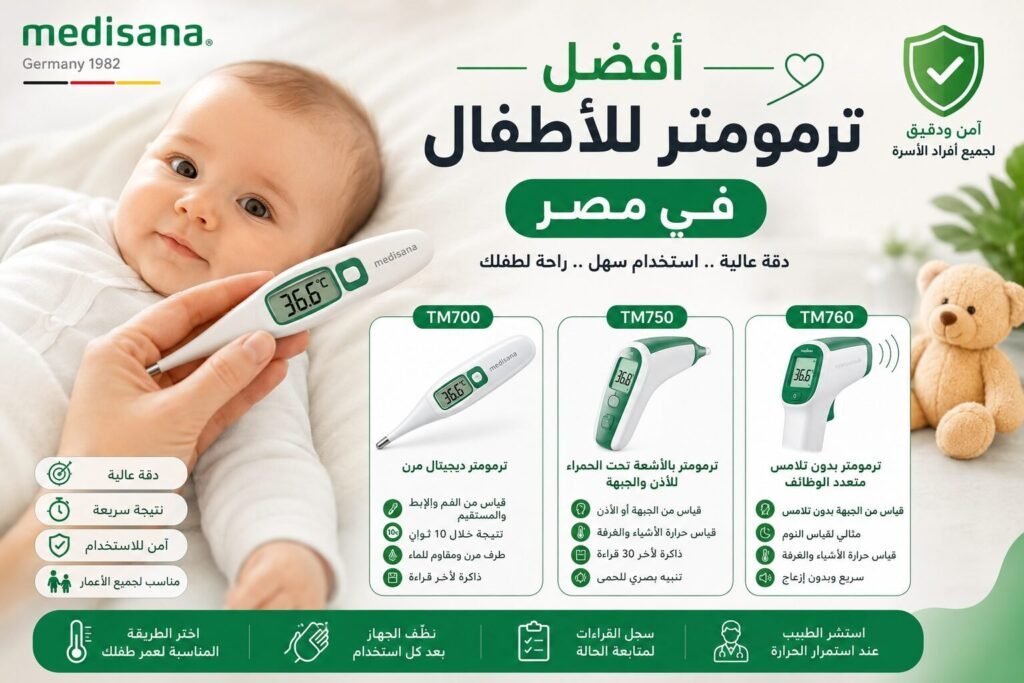
Compare Medisana TM 700, TM 750 Connect and TM 760 for children by age, measurement site, contact vs no-contact use, memory, Bluetooth and sleep-time convenience.
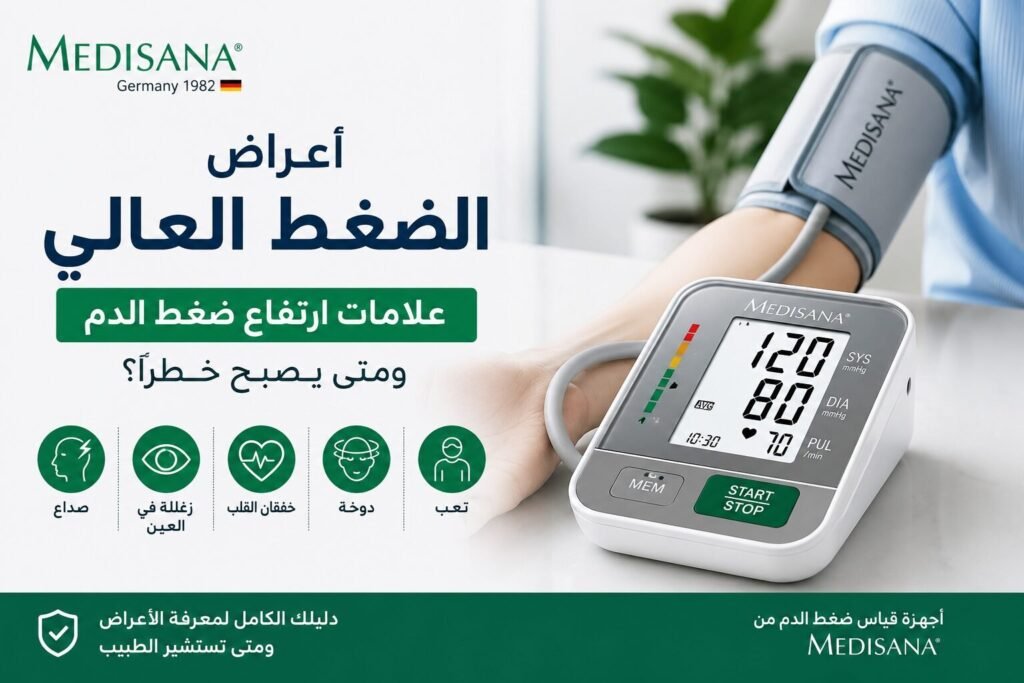
High blood pressure usually causes no symptoms. Learn what headache, dizziness or blurred vision can and cannot tell you, and when a reading above 180/120 with symptoms is an emergency.