Normal Blood Pressure by Age: Adult Blood Pressure Chart
21
Jan
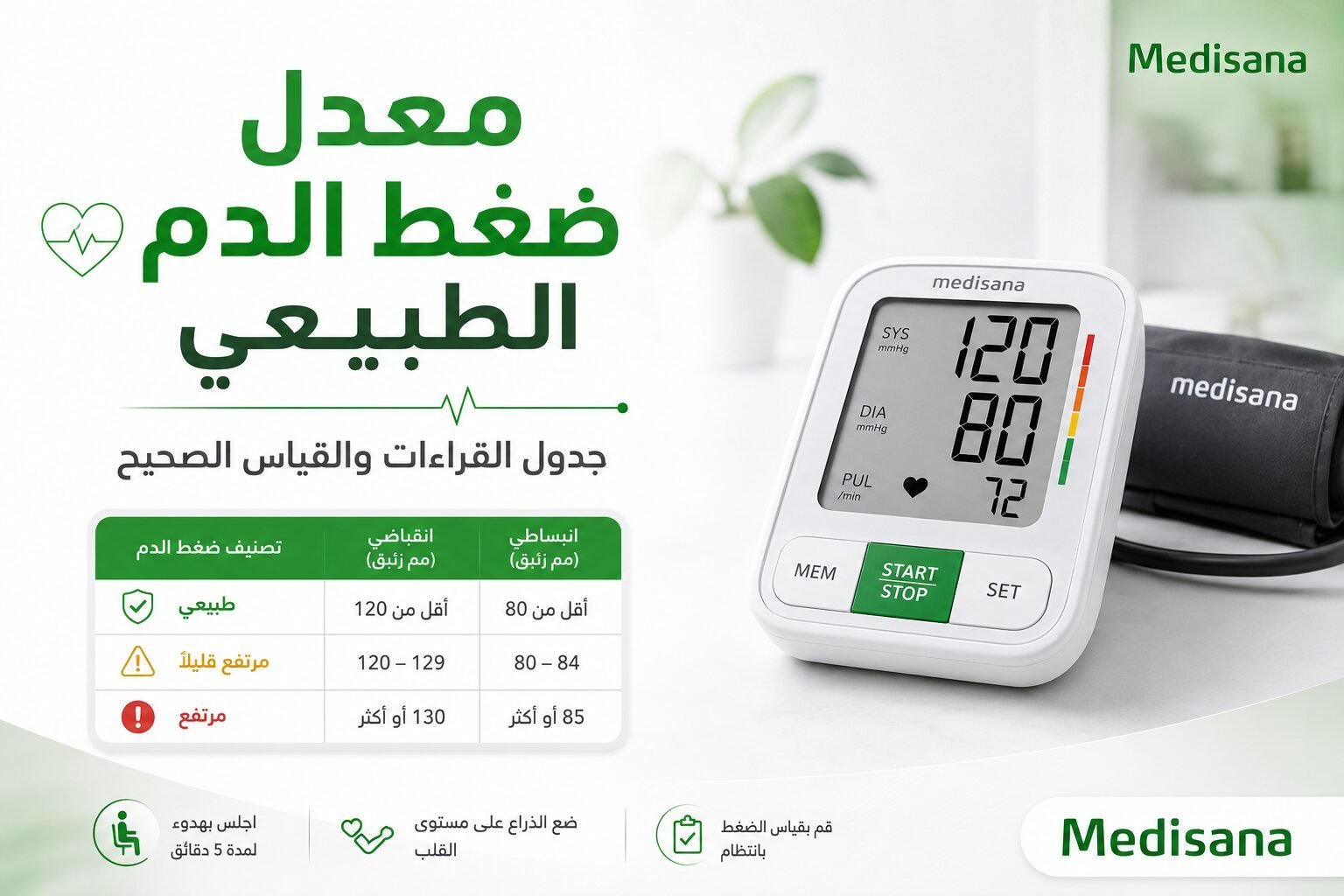
Normal blood pressure by age in adults does not use a different “normal” number for every age group. Under the American Heart Association classification, normal blood pressure is less than 120 mm Hg systolic and less than 80 mm Hg diastolic. Systolic pressure may become more likely to rise with age, but a reading such as 150/90 is not considered normal simply because someone is over 60 or 70.
A blood pressure reading contains two numbers: the top number is systolic pressure and the bottom number is diastolic pressure. If the two numbers fall into different categories, the reading is interpreted according to the higher category.
Important: this table classifies a reading; it does not diagnose chronic hypertension from one measurement. Clinical assessment depends on repeated readings, correct technique and the person’s health context.
Normal Blood Pressure by Age Chart
Modern adult blood pressure guidelines do not create a new normal threshold for each decade of age. A reading below 120 systolic and below 80 diastolic remains the normal category, although a clinician may set an individualized treatment target for some patients.
Age group
Reading classified as normal
Note
18–39 years
Below 120/80
Use the standard adult classification.
40–59 years
Below 120/80
Monitoring becomes especially important when other cardiovascular risk factors are present.
60 years and older
Below 120/80
Treatment goals may be individualized, but a high reading does not become normal because of age alone.
Is Normal Blood Pressure Different for Older Adults?
Systolic blood pressure often becomes more likely to rise with age as arteries become less elastic, but that explains why high blood pressure is more common; it does not redefine high readings as normal. A reading of 140/90 or 150/90 should not be assumed to be normal for a 60- or 70-year-old without medical evaluation.
At the same time, a clinician may choose an individualized treatment target based on overall health, medications, fall or dizziness risk, kidney disease, cardiovascular disease, diabetes and other factors. An individualized treatment target is not the same thing as changing the classification of the reading itself.
How Common Blood Pressure Readings Are Classified
Reading
Interpretation using AHA categories
118/78
Normal.
120/79
Elevated because systolic pressure is between 120 and 129.
120/80
Stage 1 because diastolic pressure has reached 80; one reading alone does not establish a diagnosis.
130/70
Stage 1 because systolic pressure is 130.
130/80
Stage 1 high blood pressure.
140/80
Stage 2 because systolic pressure is 140.
140/90
Stage 2; repeated readings should be medically reviewed.
145/85
Stage 2 because classification follows the higher category.
150/90
Stage 2 and not normal because of age.
Why Do Blood Pressure Thresholds Differ Between Sources?
The American Heart Association classification places Stage 1 high blood pressure at 130/80 mm Hg or higher, helping identify elevated cardiovascular risk and guide follow-up.
The World Health Organization describes hypertension in adults as blood pressure of 140/90 mm Hg or higher measured on two different days. These numbers are not necessarily contradictory: one source may be describing reading categories, while another is describing a diagnostic threshold.
A reading between 130/80 and 139/89 should not simply be ignored, and a single high reading does not by itself prove chronic hypertension.
When Is Blood Pressure Severely High?
If your blood pressure is higher than 180/120 mm Hg, wait at least one minute and measure it again. If it remains this high, contact a healthcare professional promptly.
Seek emergency medical care immediately if severely high blood pressure is accompanied by new concerning symptoms such as:
Chest pain.
Shortness of breath.
Sudden weakness or numbness.
Difficulty speaking.
Sudden vision changes.
Severe back pain or sudden neurological symptoms.
Do not delay urgent evaluation while repeatedly checking the number when serious symptoms are present.
Is 150/90 normal blood pressure for an older adult?
No. A reading of 150/90 falls in Stage 2 high blood pressure under the American Heart Association classification. A clinician may individualize a treatment goal for an older person, but age alone does not make 150/90 a normal reading.
Is 140/90 normal at age 60 or 70?
No. A reading of 140/90 is not classified as normal in adults or older adults. If it repeats, it should be discussed with a healthcare professional rather than being dismissed as an age-related normal value.
Is 120/80 ideal?
120/80 is often described casually as an ideal blood pressure, but under the current AHA classification, “normal” is below 120 systolic and below 80 diastolic. A diastolic value of 80 places the reading in Stage 1, while one measurement alone still does not diagnose hypertension.
Does one high reading mean I have hypertension?
Not necessarily. Stress, movement, pain, caffeine, incorrect technique and other factors can temporarily raise blood pressure. Diagnosis depends on repeated properly measured readings and clinical evaluation.
What is considered low blood pressure?
A reading below 90/60 mm Hg is commonly used as a general reference for low blood pressure, but the significance depends strongly on symptoms. Some people have low readings without problems, while dizziness, fainting, weakness or other symptoms may require evaluation.
Does this chart apply to children?
No. Blood pressure assessment in children and adolescents uses age-, height- and sex-specific criteria. This article is for adults.
Does the same chart apply during pregnancy?
Blood pressure during pregnancy requires separate clinical assessment, especially if there is new high blood pressure, severe headache, vision changes or upper abdominal pain. Do not rely on this article alone to assess blood pressure during pregnancy.
Bottom Line
Normal blood pressure by age in adults remains below 120/80 mm Hg under the American Heart Association classification. Readings such as 140/90 or 150/90 do not become normal simply because someone is older. Use repeated, correctly taken measurements and discuss persistently high readings with a healthcare professional.
This content is for general education and is not a diagnosis or a substitute for individualized medical advice. Do not change prescribed medication based on a single reading or this article.
Choosing a Home Blood Pressure Monitor
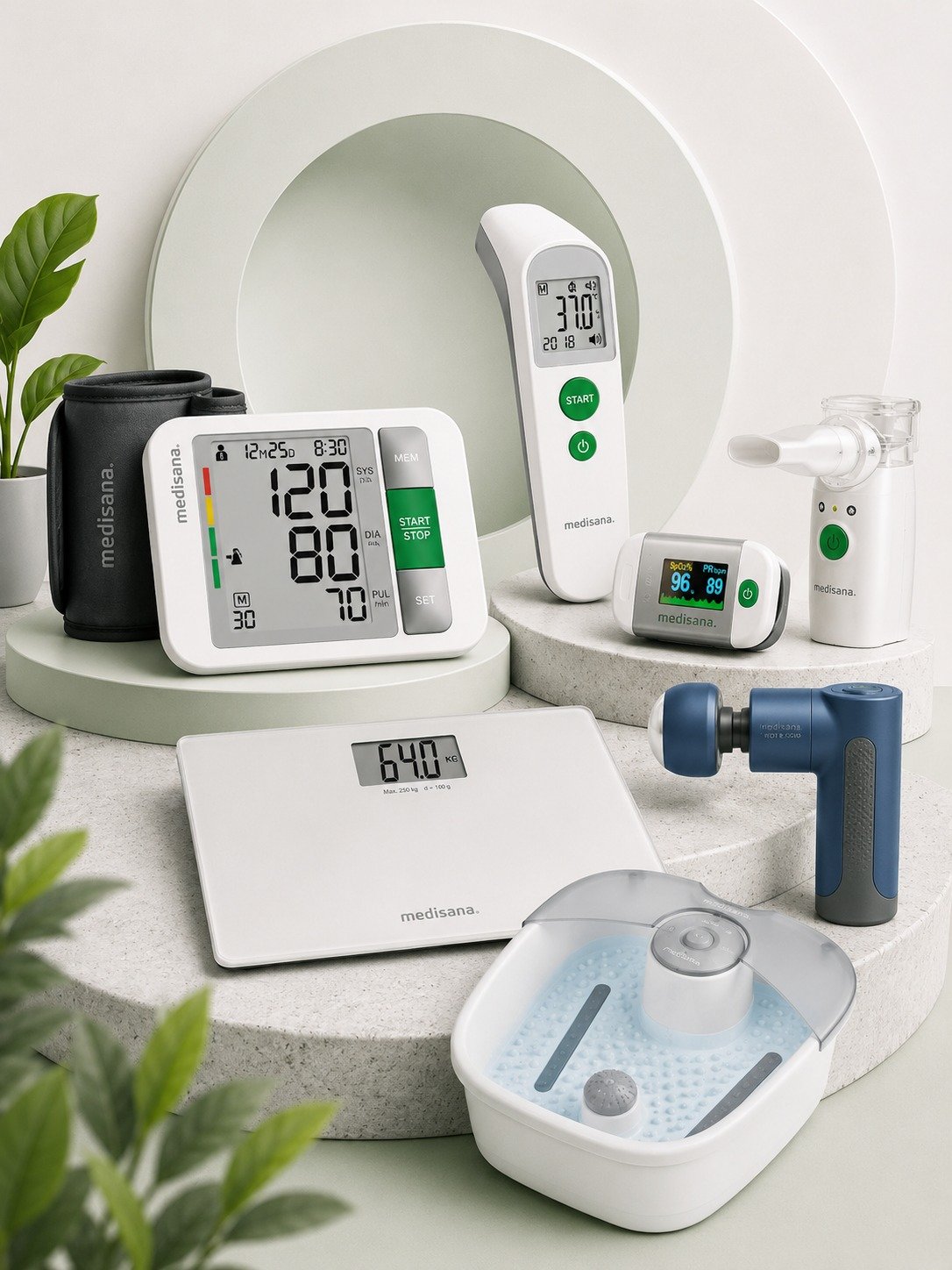
If you need a device for home monitoring, compare our digital blood pressure monitors by cuff type, memory features and arm-size compatibility. Choosing a device does not change how readings are interpreted and does not replace medical assessment when readings are high or symptoms are concerning.
Shop from WeCare Egypt
Explore Trusted Home Medical Devices and Medical Supplies
Compare blood pressure monitors, inhalation devices, weight scales, massage devices, and home health care products, then choose the most suitable option for your daily needs from WeCare Egypt.
Nebulizer not making mist? Troubleshoot compressor and mesh models by checking power, tubing, filter, cup assembly, batteries, mesh contact and cleaning—without changing the medication dose.
Learn why a pulse oximeter may show low or unstable SpO₂, how to repeat the measurement correctly, common accuracy limitations, and when symptoms need medical attention.
Learn what Perfusion Index (PI) means on a pulse oximeter, how it differs from SpO₂ and pulse rate, why PI changes, and how to use it as a signal-quality clue.
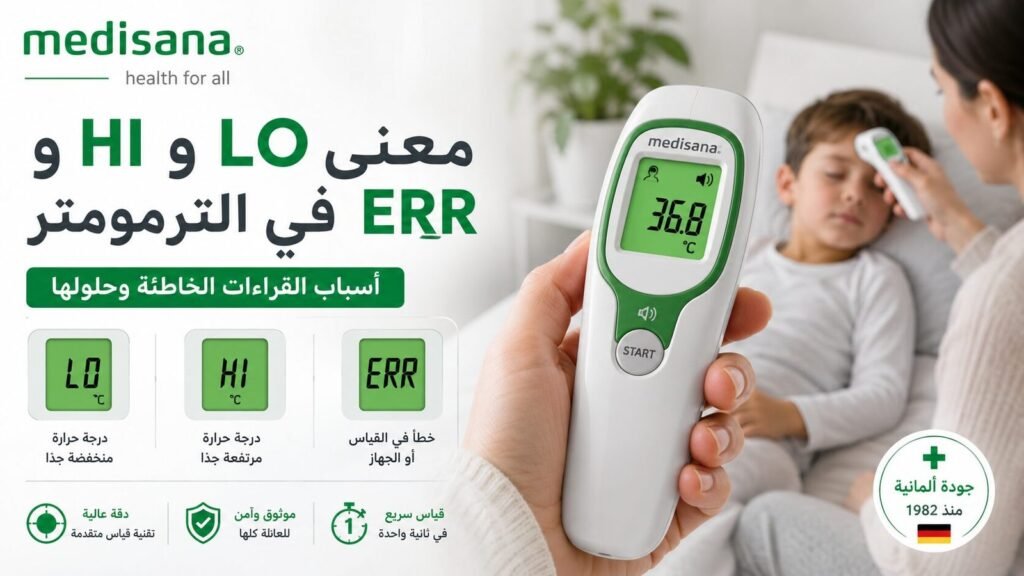
Understand LO, HI, ERR, E1, E2 and battery symbols on digital thermometers, what they may mean, and the correct troubleshooting order before requesting support.
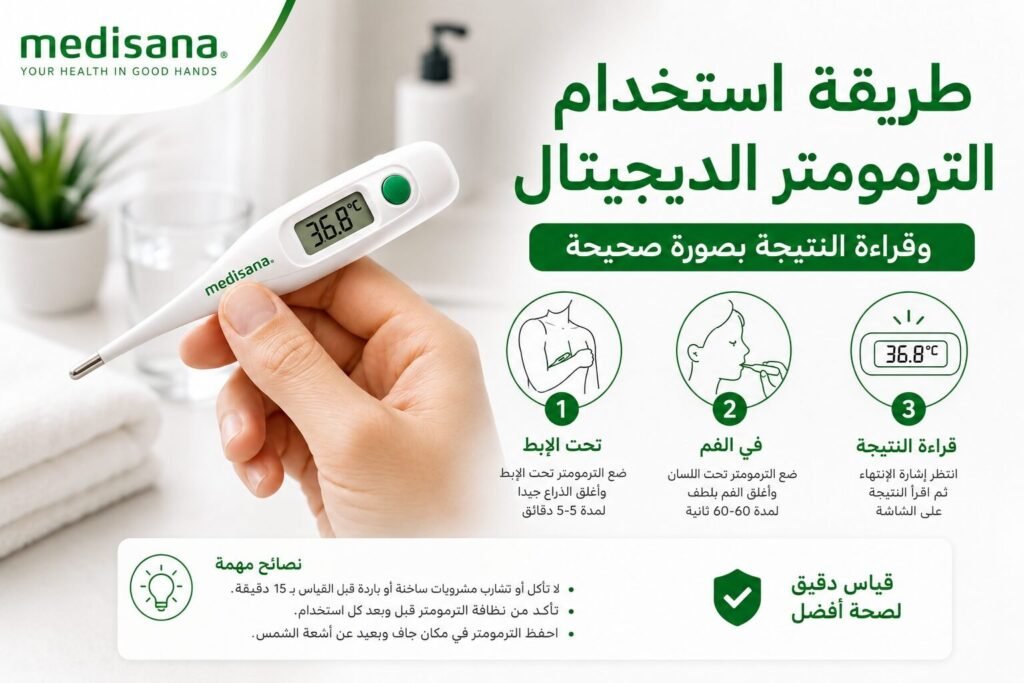
Learn how to use a digital contact thermometer correctly for armpit or oral measurement, read the result, clean the probe and handle LO, HI or ERR safely.
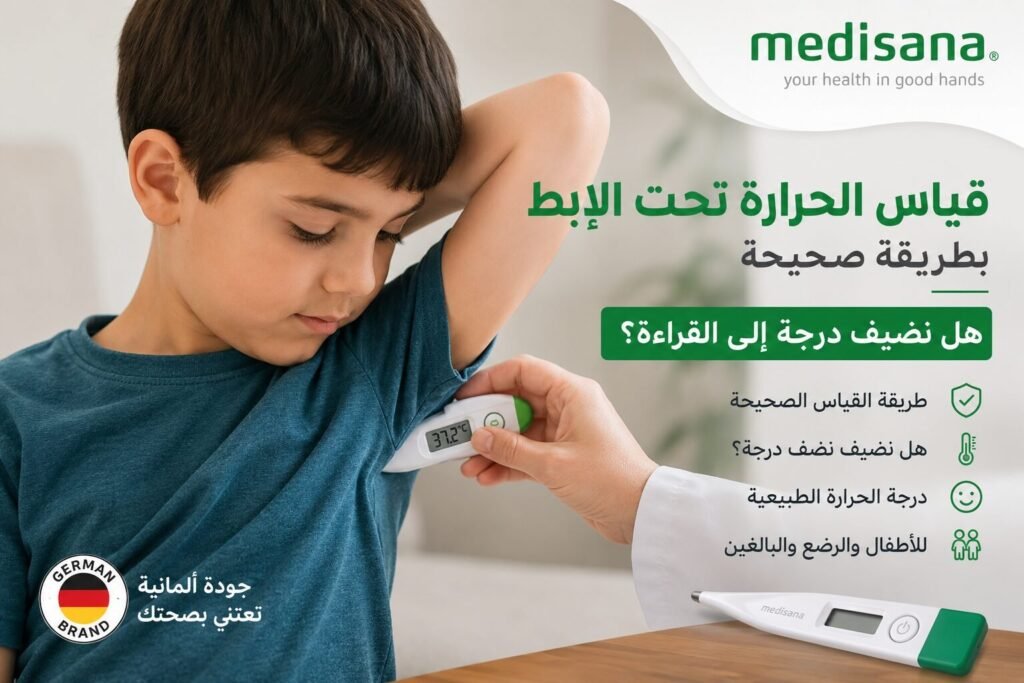
Learn how to measure temperature under the armpit correctly, where to place the thermometer, why you should not automatically add a degree, and when to confirm a reading.
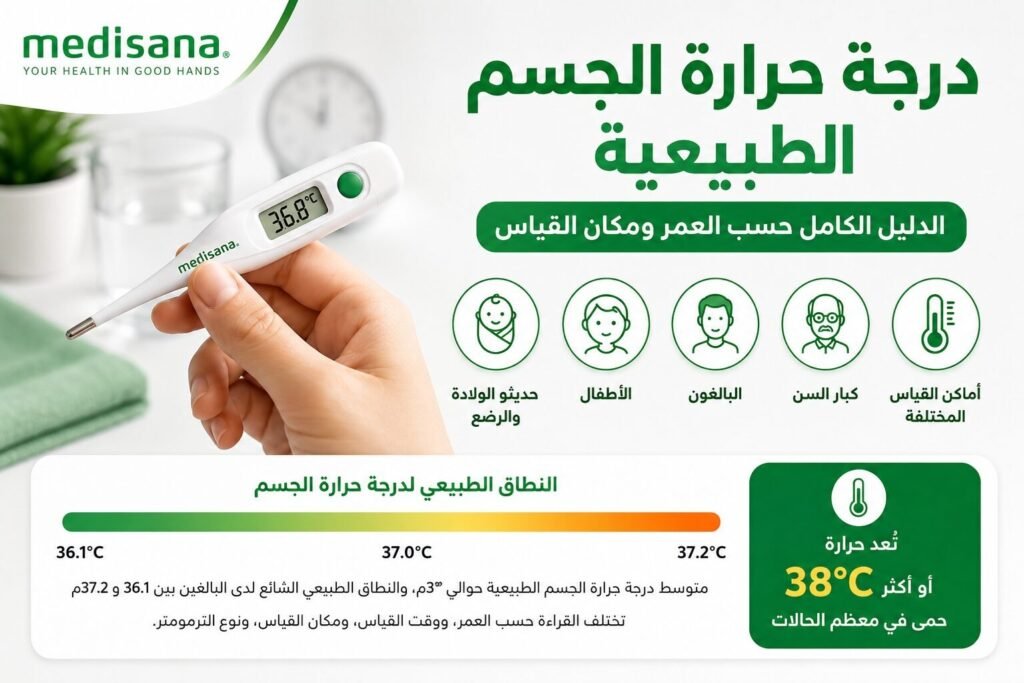
Understand normal body temperature by age, time of day and measurement site, including what 36°C, 37°C, 37.5°C and 38°C can mean and when symptoms matter more than the number.
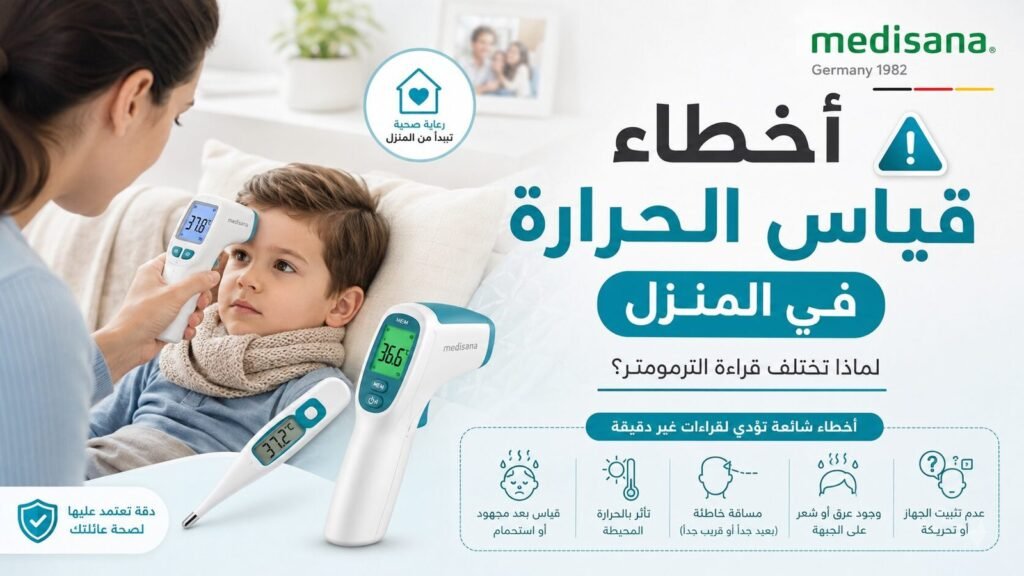
Thermometer readings different at home? Check measurement site, timing, Body mode, probe contact, forehead distance, sweat, battery and repeat technique before blaming the device.
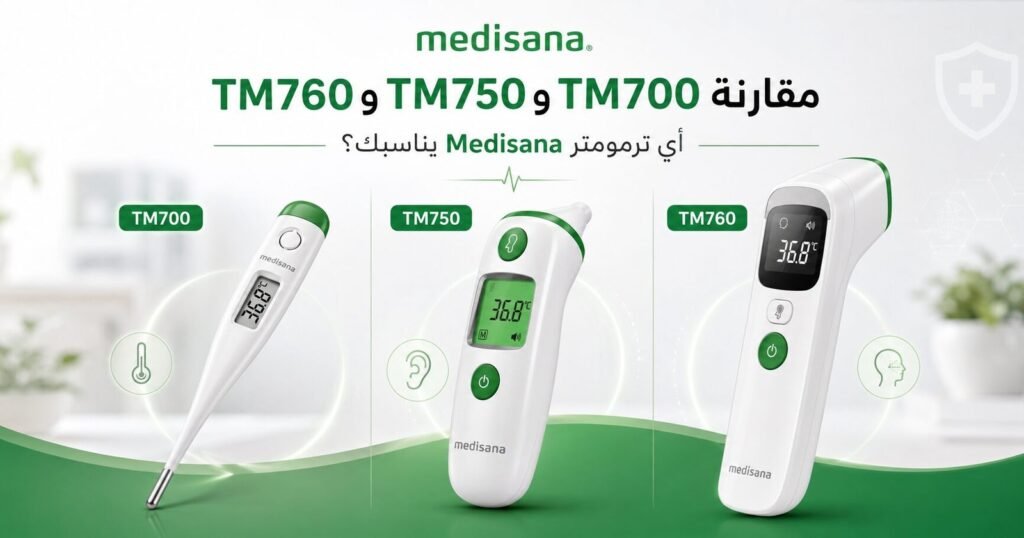
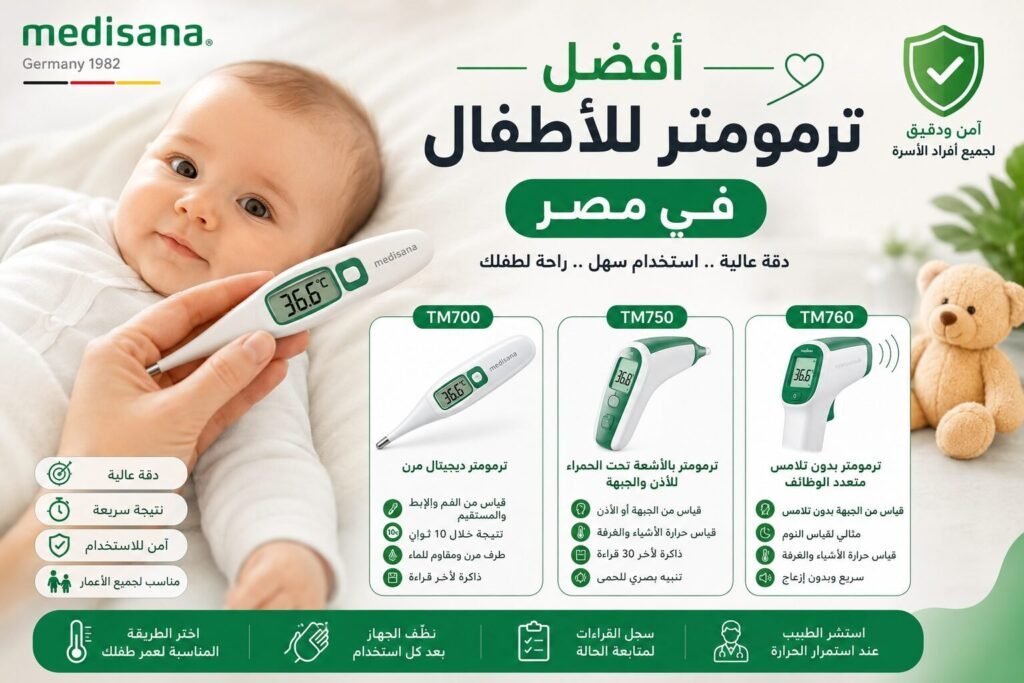
Compare Medisana TM 700, TM 750 Connect and TM 760 for children by age, measurement site, contact vs no-contact use, memory, Bluetooth and sleep-time convenience.
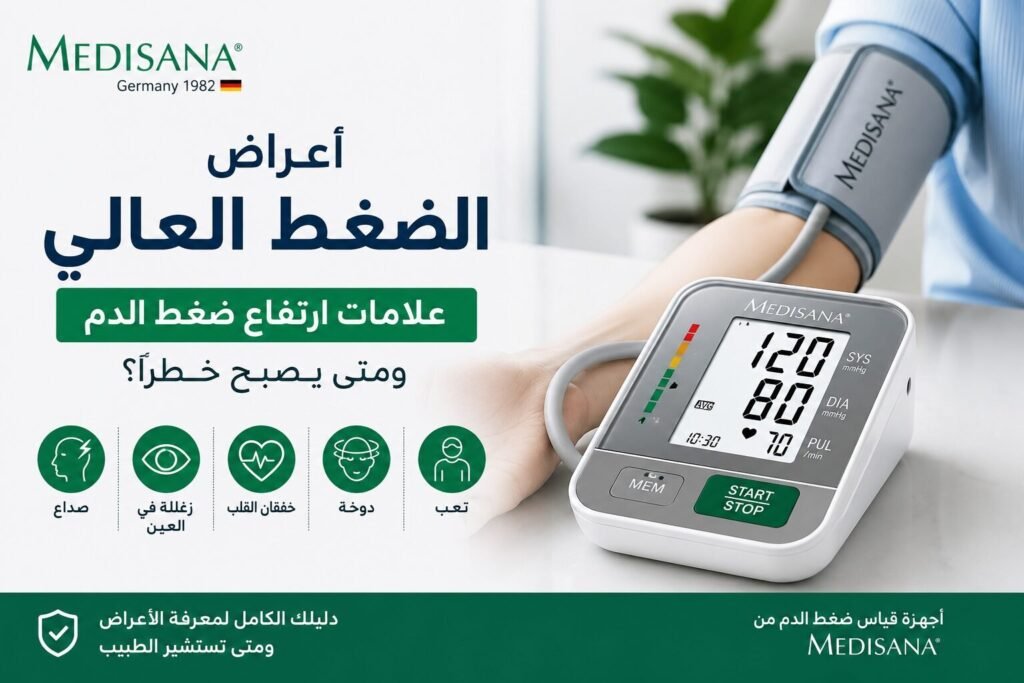
High blood pressure usually causes no symptoms. Learn what headache, dizziness or blurred vision can and cannot tell you, and when a reading above 180/120 with symptoms is an emergency.