Elderly Care Supplies in Egypt: Home Safety and Daily Care Checklist
19
Sep
Quick summary: elderly care supplies are not limited to medical devices. The first priorities are reducing fall risks, making movement easier, organizing medicines, improving lighting and bathroom safety, and then adding only the home-monitoring devices the person actually needs. Avoid buying a fixed checklist for everyone; assess mobility, vision, hearing, memory, medical conditions and who is available to help with daily care.
Evidence note: CDC fall-prevention guidance emphasizes removing trip hazards, improving lighting, adding bathroom grab bars and using stair railings. The U.S. National Institute on Aging also recommends maintaining an up-to-date medicine list and using tools such as written schedules or pill boxes when appropriate. These principles are used here to organize the checklist rather than to prescribe individual treatment.
Night lighting, non-slip surfaces, securely installed grab bars
History of falls, poor balance or unsafe routes through the home
Mobility
Appropriately fitted cane or walker, stable chair, non-slip footwear
Difficulty walking, standing or transferring
Medication organization
Weekly pill box, written medication list, reminders
Multiple medicines or complicated schedules
Home monitoring
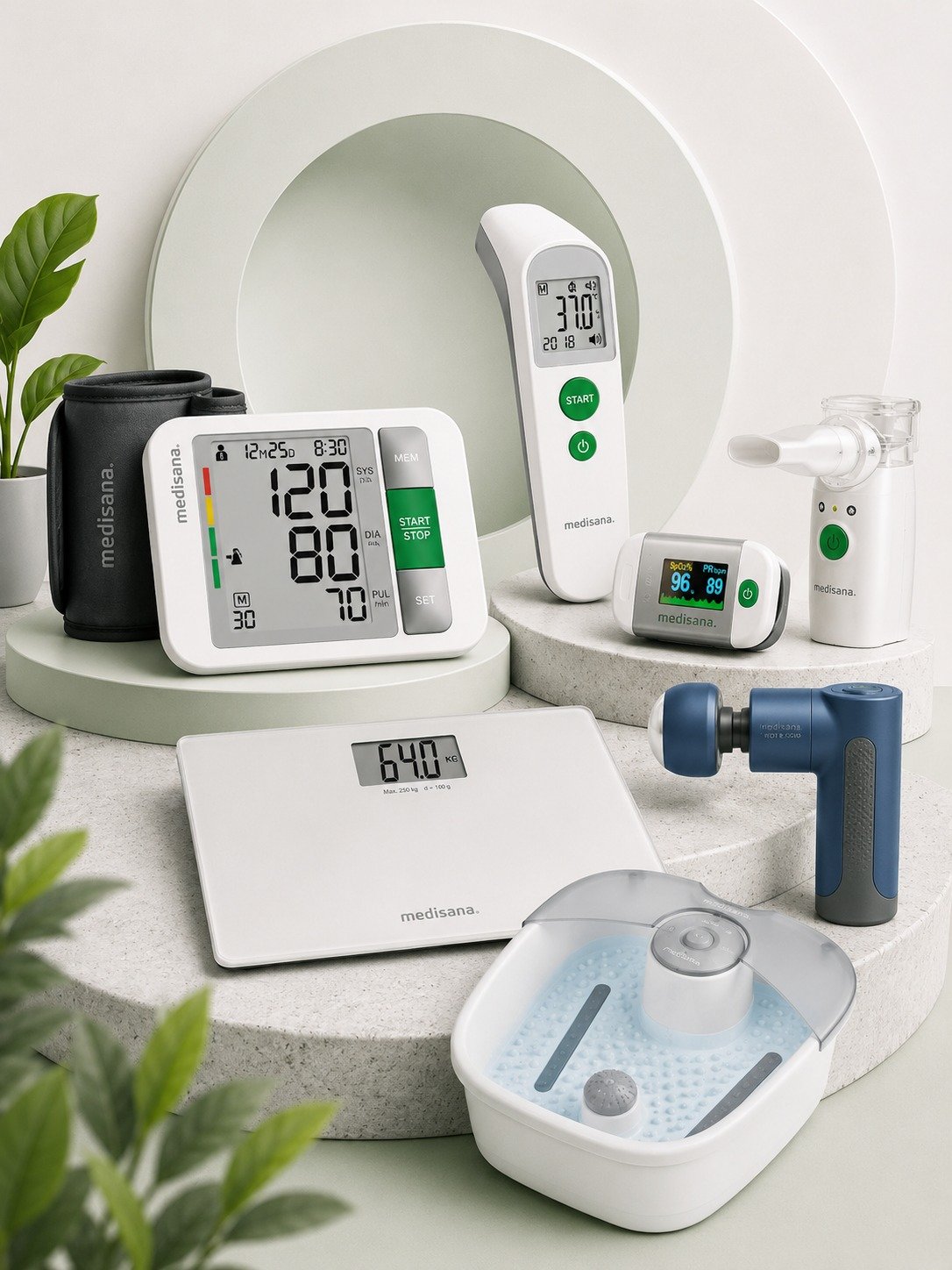
Blood pressure monitor, thermometer, scale, pulse oximeter when clinically relevant
When a healthcare plan requires regular monitoring
Daily comfort and communication
Supportive seating, easy-to-use phone, call bell or communication method
Limited mobility, reduced independence or need for caregiver support
Start With Needs Assessment, Not Shopping
Before buying anything, ask practical questions: Is getting out of a chair difficult? Is the bathroom safe? Can the person read a device display? Are medicines sometimes forgotten? Is there a caregiver nearby? Does the person have trouble hearing alarms or instructions?
These answers determine what matters first. In many homes, improving lighting or removing a loose rug can reduce risk more immediately than adding another electronic device.
Home Safety Supplies for Older Adults
Bright, easy-to-access lighting and night lights between the bed and bathroom.
Removal of loose cables, clutter and unstable rugs from walking routes.
Properly installed grab bars in the bathroom and non-slip surfaces where water is common.
Stable handrails on stairs.
A firm chair at a height that allows safer sitting and standing.
Frequently used items stored between waist and shoulder height to reduce bending and climbing.
The CDC older-adult fall-prevention guidance specifically highlights removing trip hazards, improving home lighting, installing bathroom grab bars and using stair railings.
Mobility Aids Need Proper Fit
A cane, walker or other mobility aid should not be selected by appearance alone. Height, grip, gait, balance and the person’s ability to use the aid safely all matter. An incorrectly fitted or poorly used mobility aid can create new risks.
If there is significant weakness, repeated falling, a recent injury or uncertainty about which aid is appropriate, a physical therapist or other qualified healthcare professional can assess the person before purchase.
Store scope note: this guide mentions mobility aids as part of elderly home preparation; it does not claim that WeCare currently sells wheelchairs, walkers or every product listed here. Check the live catalogue for current availability.
Medication Organization and Communication
A pill box can help with organization, but it cannot solve medication interactions, duplication or an incorrect prescription. Keep a written list that includes the medicine name, dose and timing, and review the list periodically with the doctor or pharmacist.
For communication, place important phone numbers where they are easy to find and choose a phone or calling method that matches the person’s vision, hearing and dexterity.
Home Health Monitoring Devices for Older Adults
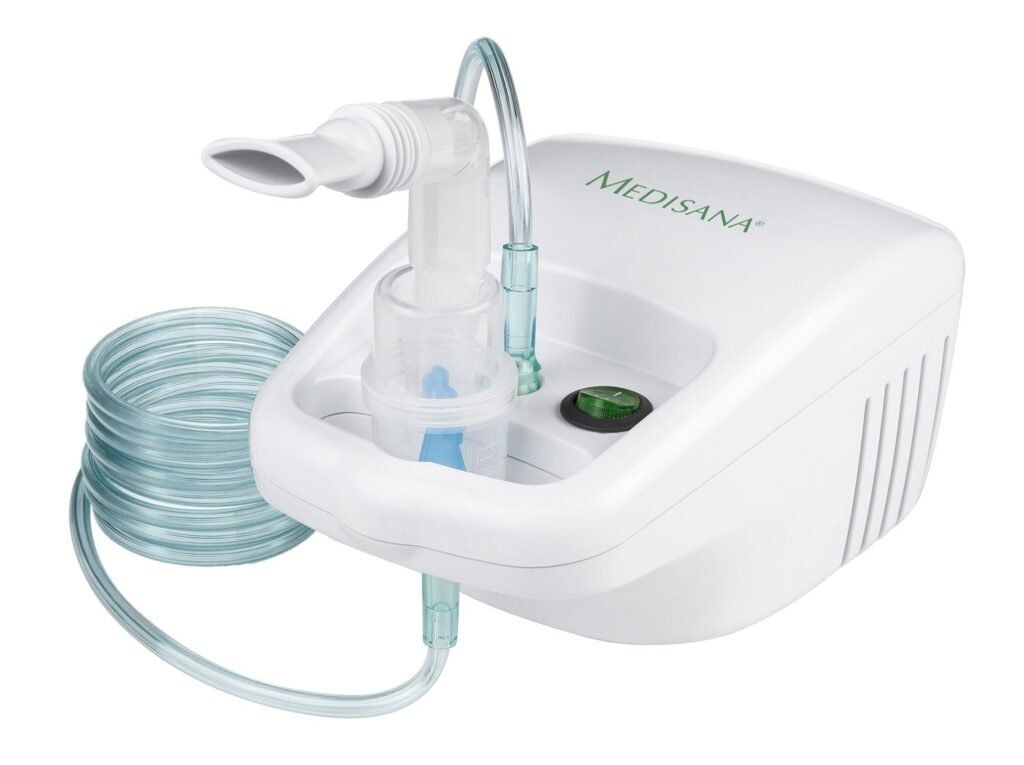
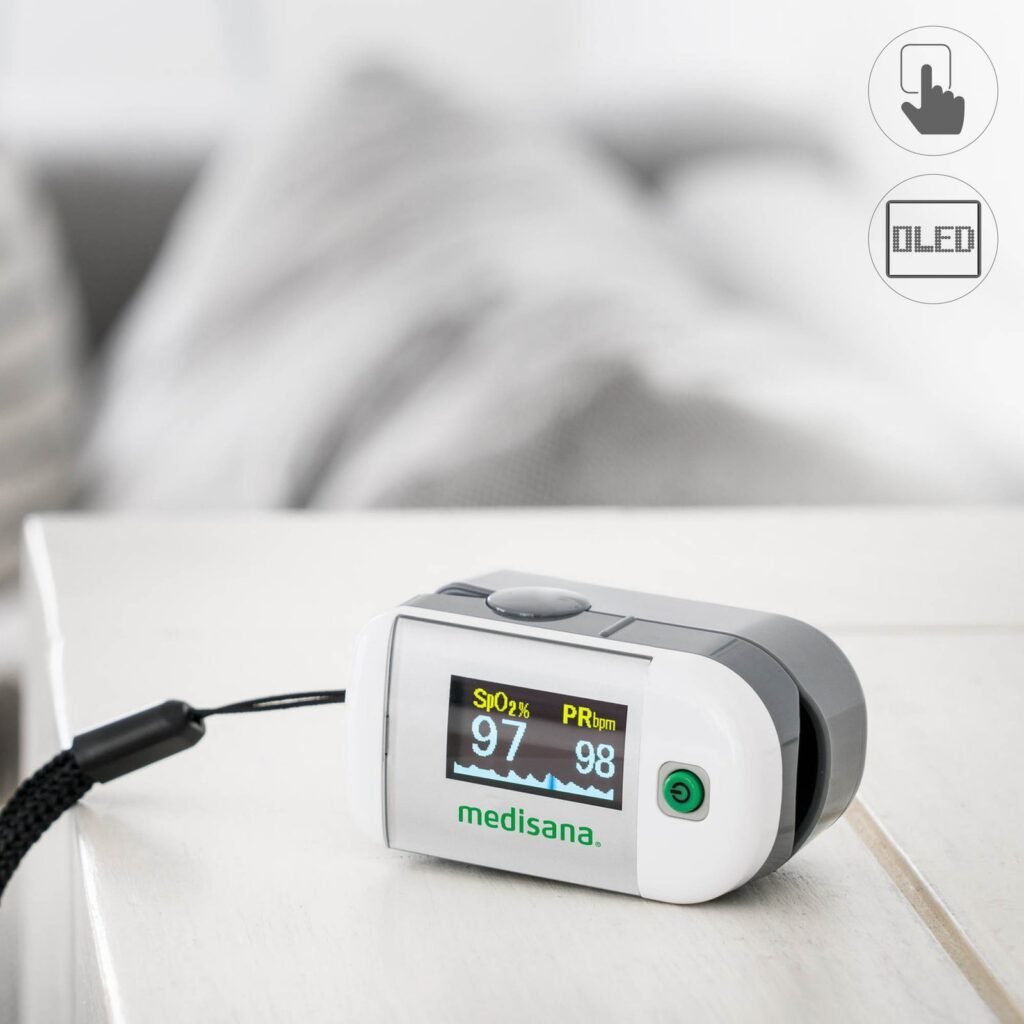
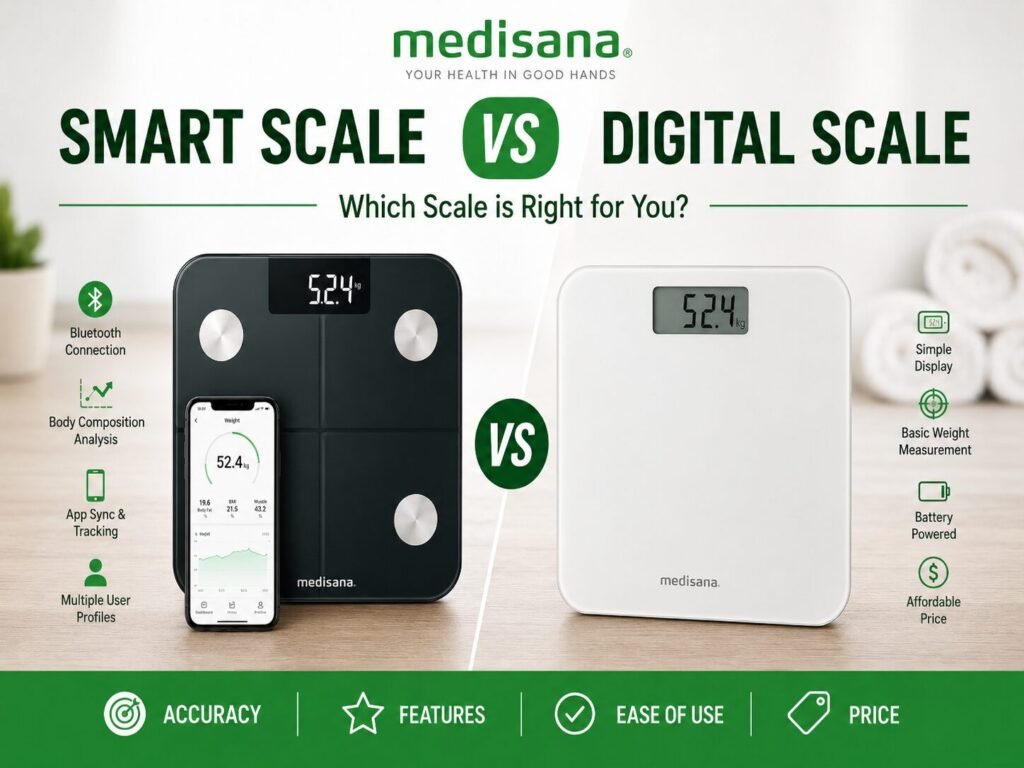
Common home-monitoring devices can include a blood pressure monitor, thermometer and personal scale. A pulse oximeter or nebulizer may also be appropriate when there is a specific clinical need. The goal is not to collect devices; it is to make the monitoring plan easier to follow.
Blood pressure monitors: choose a cuff size that fits the arm and a display that is easy to read.
Thermometers: select a measurement method the user or caregiver can perform consistently.
Personal scales: prioritize a stable platform, visible display and suitable maximum capacity.
Pulse and oxygen measuring devices: use them when monitoring SpO₂ or pulse is clinically relevant and the readings can be interpreted in context.
Nebulizers: use the device and medication according to the prescribed treatment plan and product instructions.
How to Choose a Device That Is Easy for an Older Person to Use
Large display with strong contrast.
Few, clearly labelled buttons.
Cuff, probe or accessory that suits the user’s size and dexterity.
Memory if multiple readings need to be tracked.
Power source that is practical for the household.
Instructions the user or caregiver can understand.
Warranty and support information that is easy to access.
Ease of use is often more valuable than a long feature list. A sophisticated device that cannot be positioned, read or operated correctly may be less useful than a simpler model.
Bathroom Safety for Older Adults
The bathroom deserves special attention because wet surfaces and transfers in and out of the shower or bath can increase fall risk. Consider:
Non-slip flooring or properly secured non-slip surfaces.
Professionally or securely installed grab bars in appropriate positions.
Good lighting, including the route to the bathroom at night.
Clear access without clutter.
A shower chair or other support only when it matches the person’s mobility needs and can be used safely.
Common Buying Mistakes
Buying a device because it has many features even though the user cannot operate it easily.
Using a blood pressure monitor with the wrong cuff size.
Buying a cane or walker without adjusting it to the user.
Using massage or heating products as treatment for undiagnosed pain.
Buying expensive equipment before removing basic fall hazards.
Assuming every older adult needs the same home-monitoring devices.
How to Prioritize the Budget
A practical order is:
Remove low-cost fall hazards and improve lighting.
Address essential mobility and bathroom safety needs.
Organize medicines and communication.
Add the home-monitoring devices that are actually part of the person’s care plan.
Add comfort products only after the safety and monitoring basics are covered.
What are the most important elderly-care supplies for the bathroom?
Good lighting, a non-slip surface, securely installed grab bars and clear access are basic priorities. Whether a shower chair or another aid is appropriate depends on mobility and balance.
Does every older adult need a blood pressure monitor?
No. A blood pressure monitor is most useful when there is a monitoring plan or clinical reason to track blood pressure. Correct cuff size and measurement technique are essential.
Does every older adult need a pulse oximeter?
No. A pulse oximeter is useful when oxygen saturation or pulse needs to be monitored for a specific reason. It should not be purchased simply because the person is older.
How should I organize medicines for an older adult?
Keep an up-to-date medicine list, use reminders or a pill organizer when appropriate, and review the medication list with a doctor or pharmacist. Do not change or stop prescription medicines without professional guidance.
How should I prioritize the budget?
Start with low-cost safety improvements, then essential mobility or bathroom needs, followed by clinically useful monitoring devices. Comfort products can come later.
This checklist is for planning and product selection. It does not replace medical, pharmacy or physical-therapy assessment when there are mobility problems, multiple medicines or diagnosed health conditions.
Shop from WeCare Egypt
Explore Trusted Home Medical Devices and Medical Supplies
Compare blood pressure monitors, inhalation devices, weight scales, massage devices, and home health care products, then choose the most suitable option for your daily needs from WeCare Egypt.
Nebulizer not making mist? Troubleshoot compressor and mesh models by checking power, tubing, filter, cup assembly, batteries, mesh contact and cleaning—without changing the medication dose.
Learn why a pulse oximeter may show low or unstable SpO₂, how to repeat the measurement correctly, common accuracy limitations, and when symptoms need medical attention.
Learn what Perfusion Index (PI) means on a pulse oximeter, how it differs from SpO₂ and pulse rate, why PI changes, and how to use it as a signal-quality clue.
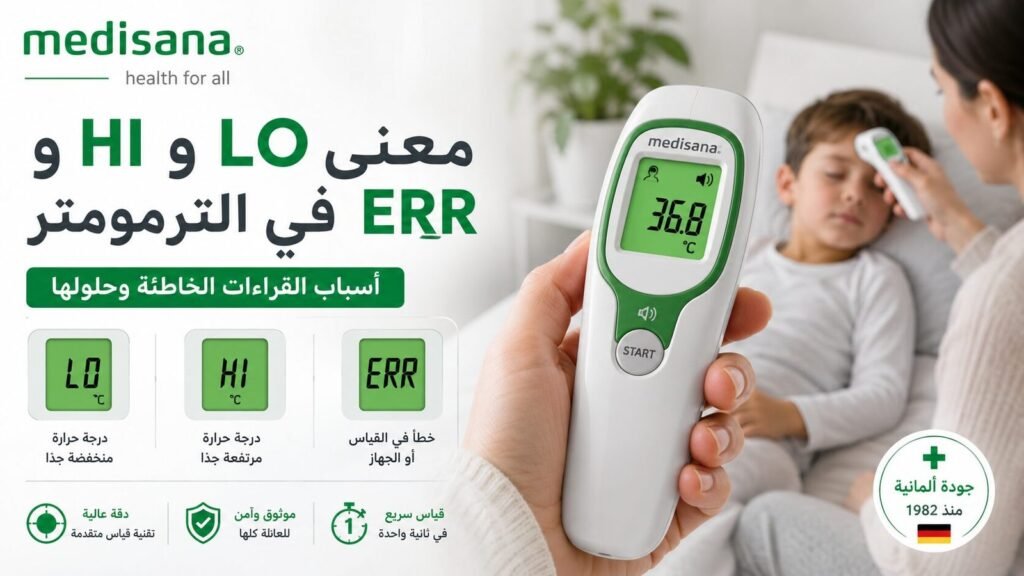
Understand LO, HI, ERR, E1, E2 and battery symbols on digital thermometers, what they may mean, and the correct troubleshooting order before requesting support.
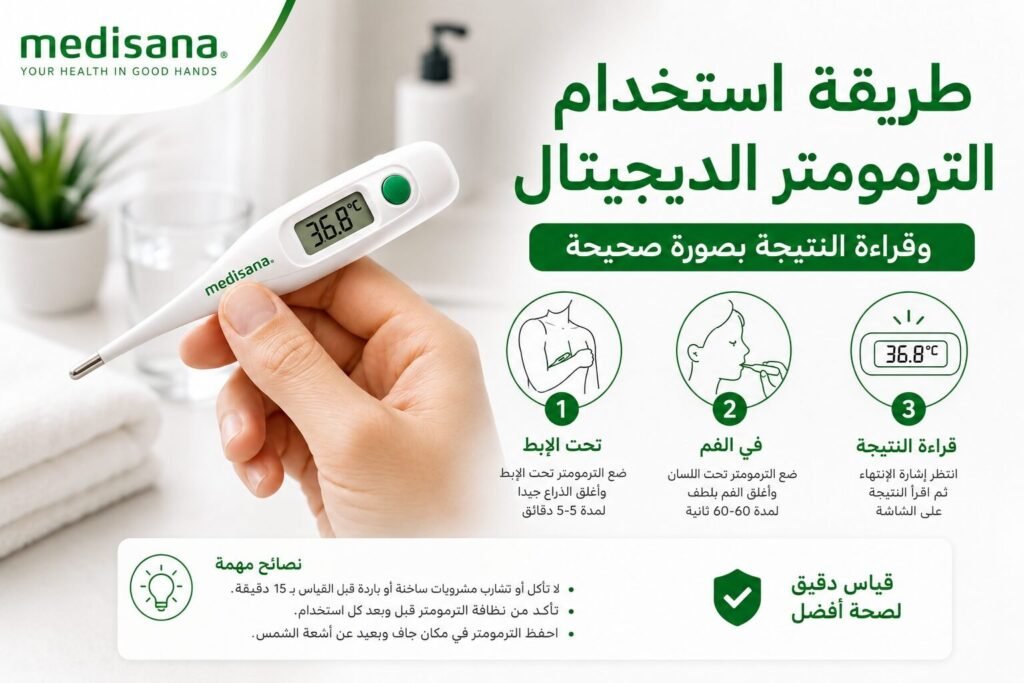
Learn how to use a digital contact thermometer correctly for armpit or oral measurement, read the result, clean the probe and handle LO, HI or ERR safely.
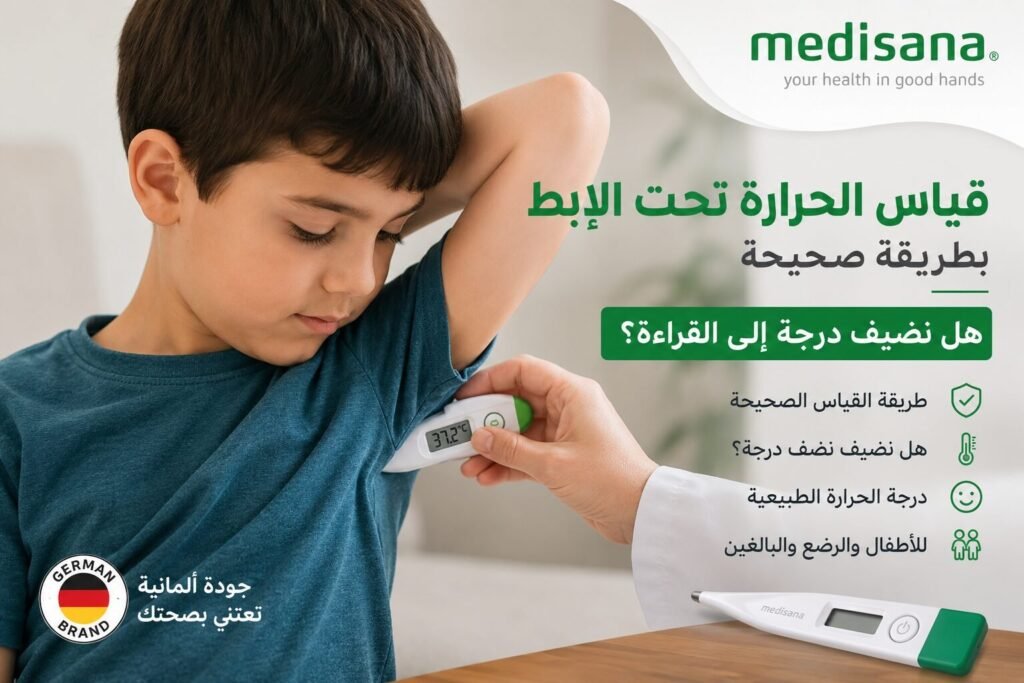
Learn how to measure temperature under the armpit correctly, where to place the thermometer, why you should not automatically add a degree, and when to confirm a reading.
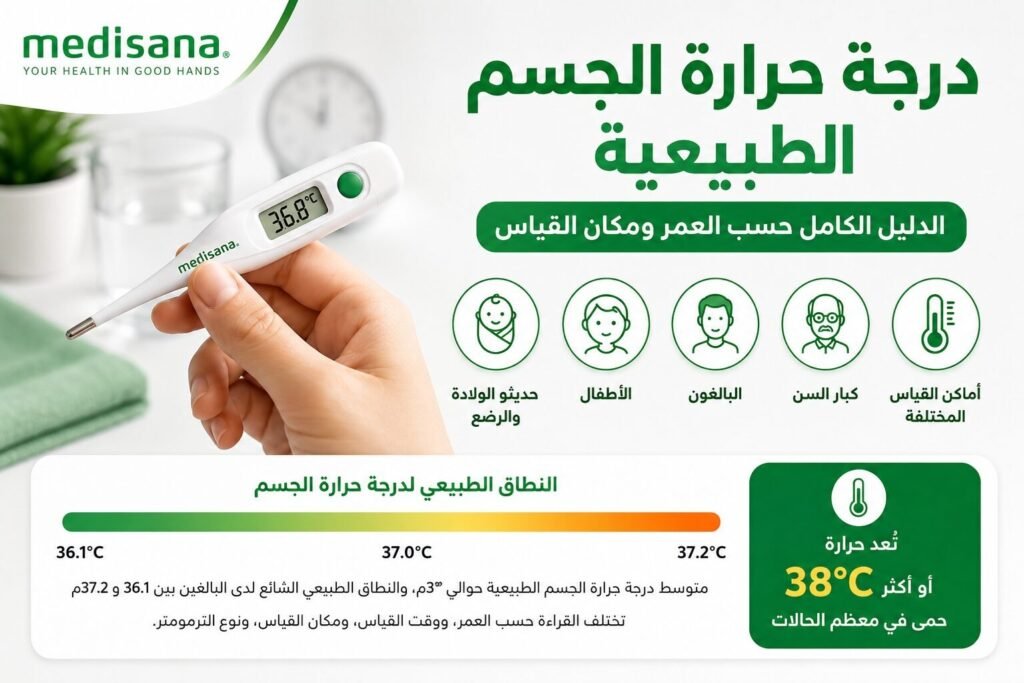
Understand normal body temperature by age, time of day and measurement site, including what 36°C, 37°C, 37.5°C and 38°C can mean and when symptoms matter more than the number.
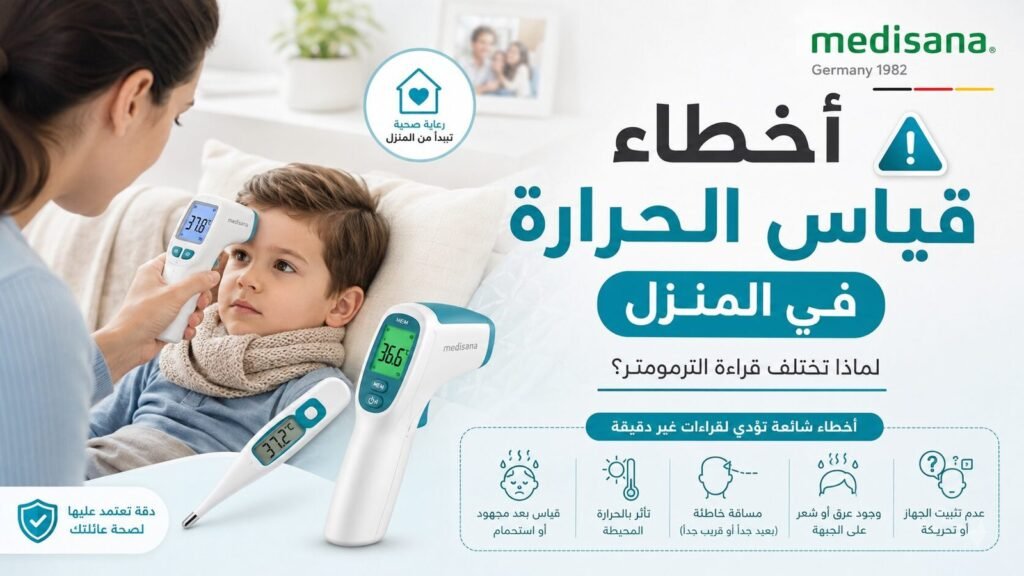
Thermometer readings different at home? Check measurement site, timing, Body mode, probe contact, forehead distance, sweat, battery and repeat technique before blaming the device.
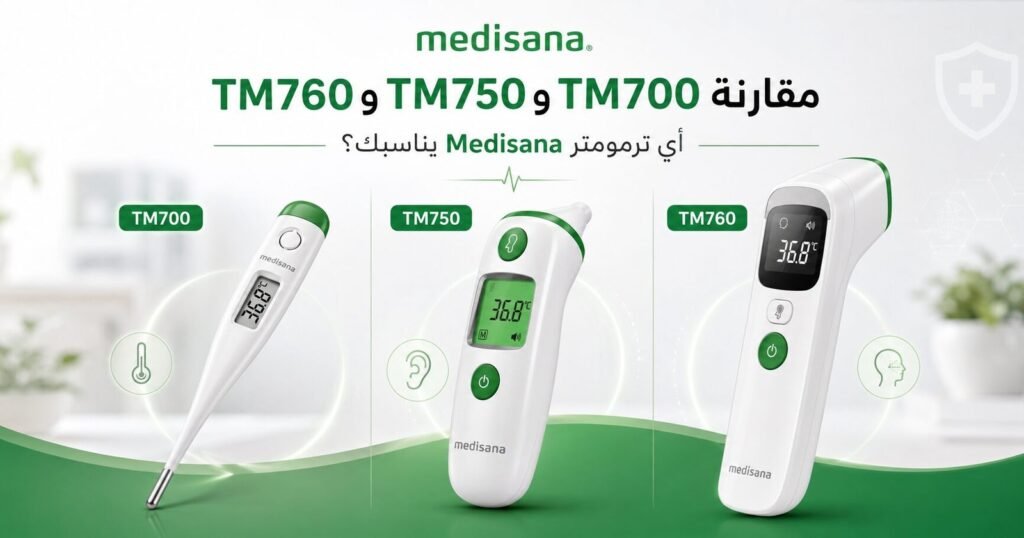
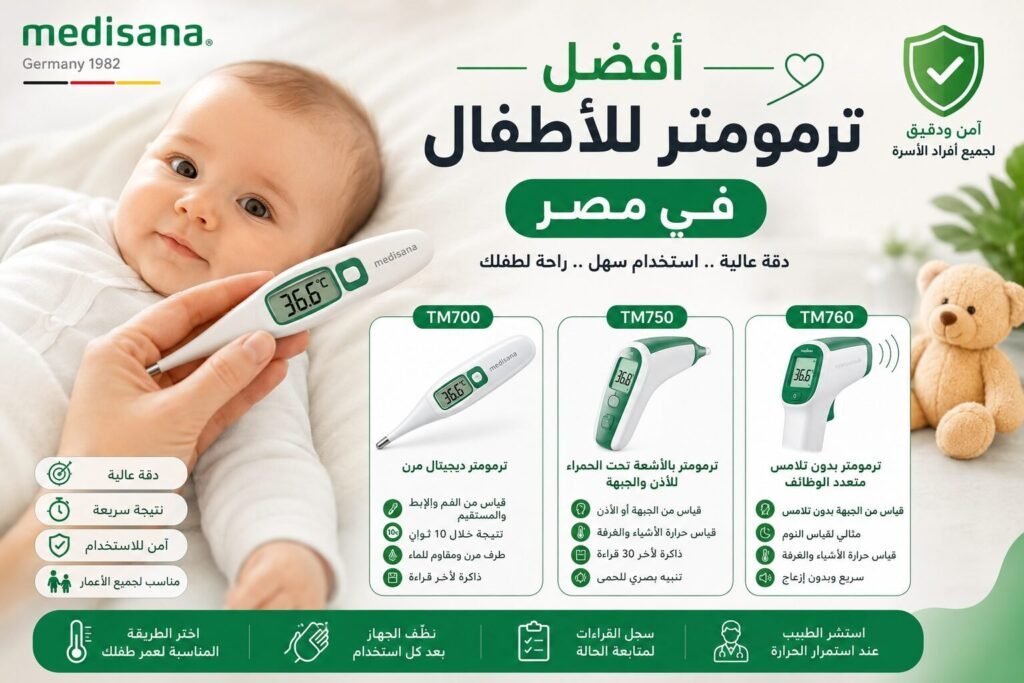
Compare Medisana TM 700, TM 750 Connect and TM 760 for children by age, measurement site, contact vs no-contact use, memory, Bluetooth and sleep-time convenience.
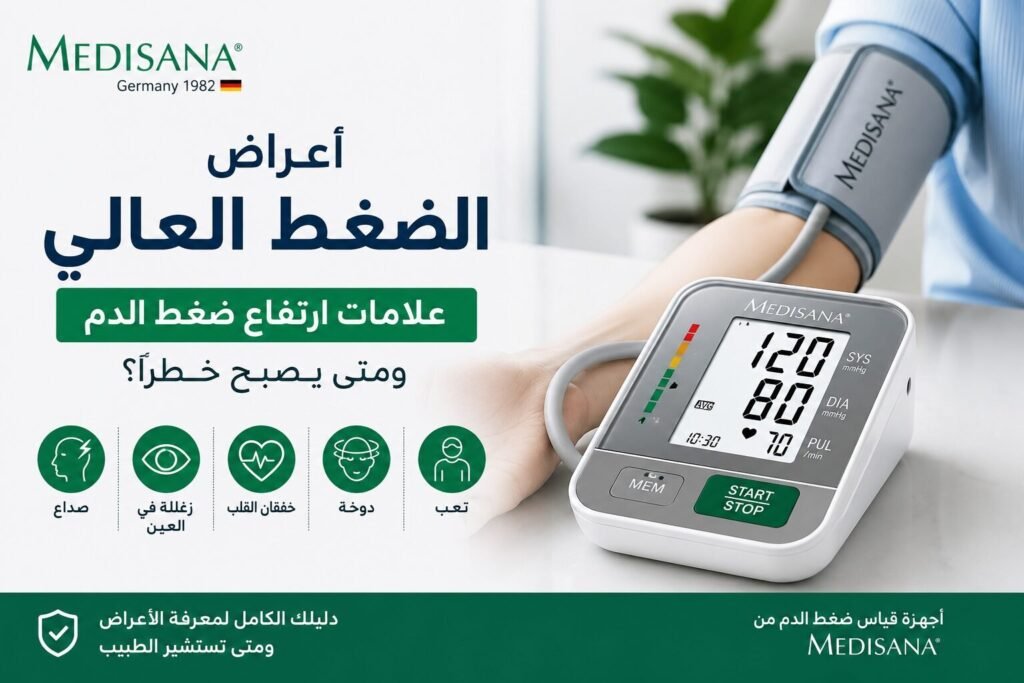
High blood pressure usually causes no symptoms. Learn what headache, dizziness or blurred vision can and cannot tell you, and when a reading above 180/120 with symptoms is an emergency.