Can You Check Blood Pressure Too Often? When Repeating Helps and When It Fuels Anxiety
25
Sep
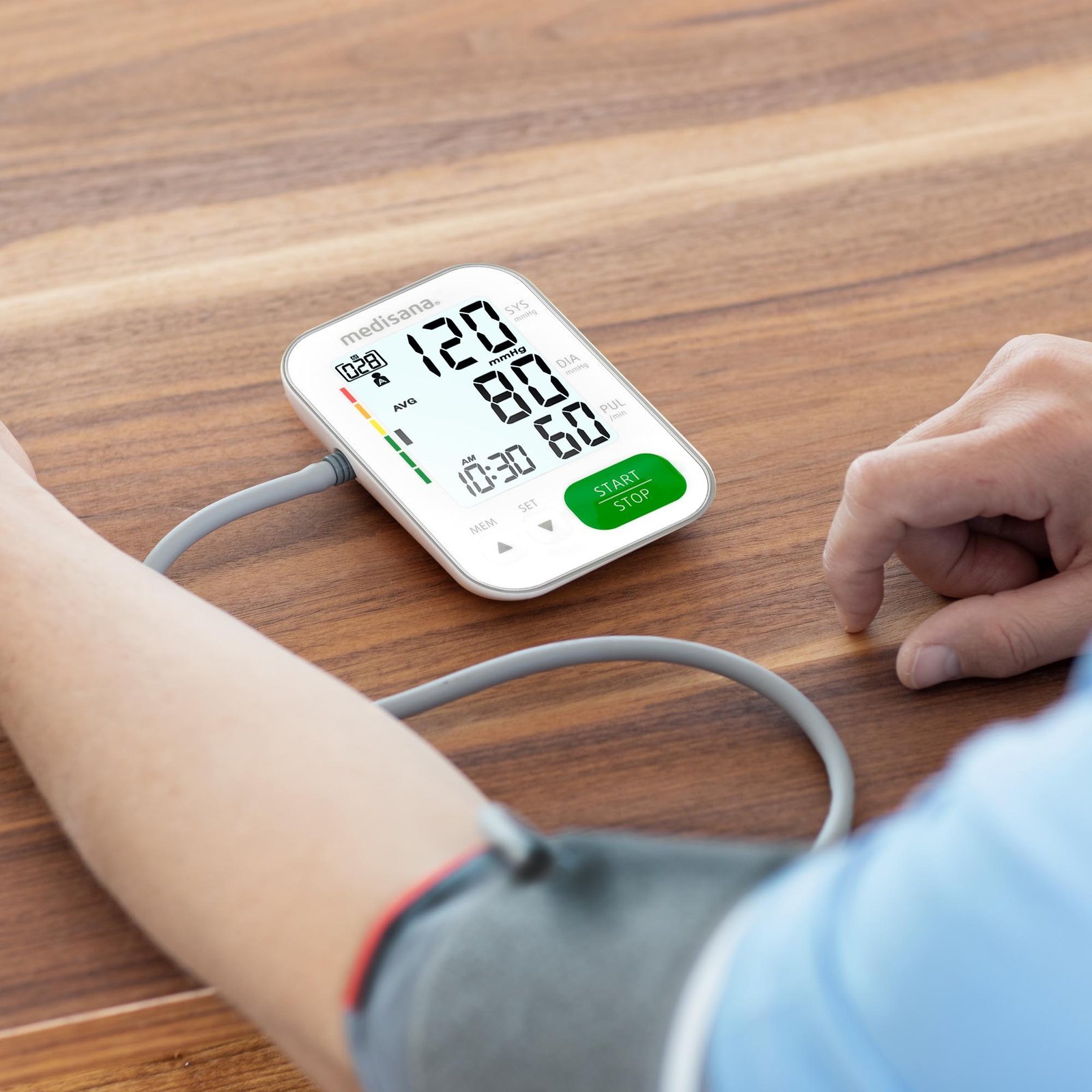
Checking blood pressure ten times a day does not necessarily give you a more accurate picture of your health. Repeated measurements without a plan can produce more naturally variable numbers, which may increase anxiety instead of reducing it. The useful question is not “How often can I press Start?” but “When does another reading add useful information?”
Direct answer: checking blood pressure frequently is usually not physically harmful, but repeating it every few minutes because of anxiety can create a cycle of fluctuating readings and more worry. Repeated cuff inflation can also become uncomfortable. Useful home monitoring is structured and scheduled rather than triggered by every temporary sensation.
Evidence note: home blood pressure guidance from the American Heart Association and the CDC emphasizes correct preparation, positioning and consistent recording rather than chasing one isolated number.
Why Can Repeated Measurements Be Misleading?
Blood pressure is not a fixed number. It changes throughout the day with movement, stress, posture, sleep, meals, caffeine and other factors. Small differences between consecutive readings are therefore expected and do not automatically mean that the monitor is faulty or that your health suddenly changed.
When you measure over and over, you may end up focusing on the highest number instead of the overall pattern. If your readings vary more than expected, first check technique and conditions. Our guide to fluctuating home blood pressure readings explains the common reasons.
When Does Rechecking Become an Anxiety Cycle?
The pattern can become self-reinforcing: one reading causes worry, you repeat it immediately, the normal difference between readings creates more worry, and then you measure again. Anxiety during the process can itself affect the reading at that moment.
Signs that repeated checking may no longer be useful include:
Measuring in response to every brief sensation or moment of worry.
Repeating the test within minutes because you dislike the first number.
Treating very small differences between readings as major changes.
Using the monitor as the first response to anxiety rather than following a planned schedule.
How Often Should You Measure Blood Pressure at Home?
There is no single frequency that is correct for everyone. The schedule depends on why you are monitoring, whether treatment is being adjusted, and what your clinician has recommended.
A practical approach is to measure at planned times, record the results, and look at the pattern over several days rather than repeatedly checking until you see a number you prefer. For timing, see our guide to the best time to measure blood pressure at home.
When Is Repeating a Measurement Actually Useful?
Repetition can be useful when it is deliberate and standardized rather than driven by panic. Examples include:
Collecting readings over several days before a medical appointment.
Taking an additional reading after a short rest when the first result is unexpected.
Monitoring during a medication change when a healthcare professional specifically asks you to do so.
The exact number of readings and the interval between them should follow your monitor instructions and clinical plan. The purpose is to improve the quality of the record, not to keep measuring until one result feels reassuring.
How to Break the “Check Again” Cycle
Decide why you are measuring before you start.
Use a written or digital log instead of immediately repeating every reading.
Compare trends over days rather than tiny differences over minutes.
If anxiety is driving repeated checking, discuss the monitoring plan with your healthcare professional so you know exactly when another reading is useful.
Can Repeated Cuff Inflation Hurt Your Arm?
For most people, occasional repeat measurements are not physically harmful. However, repeatedly inflating the cuff many times in a short period can cause temporary pressure, discomfort or soreness—especially if the cuff is too tight or the wrong size.
If the cuff causes marked pain, bruising, numbness or unusual symptoms, stop and check the cuff size and device instructions before continuing. People with specific medical circumstances should follow individualized advice from their clinician.
When Should You Stop Rechecking and Seek Medical Advice?
If unusual readings persist across properly performed measurements on different occasions, contact a healthcare professional rather than continuing to recheck indefinitely.
Seek urgent medical help for concerning symptoms such as chest pain, severe shortness of breath, fainting, severe neurological symptoms or other signs of acute illness. Do not allow repeated home measurements to delay evaluation when symptoms are serious.
Frequently Asked Questions
Is checking blood pressure too often harmful?
Usually not physically harmful, but unnecessary repeated checking can increase anxiety and make normal fluctuations seem more important than they are. Repeated cuff inflation may also become uncomfortable.
Can repeated measurements make my blood pressure higher?
The monitor itself does not create chronic high blood pressure. However, stress or anxiety around repeated checking can temporarily affect the reading, which can then encourage even more checking.
Is it normal for two blood pressure readings to be different?
Yes. Blood pressure changes naturally and readings can differ because of posture, movement, talking, stress, cuff position and timing. The overall pattern is usually more informative than a tiny difference between two readings.
Should I keep measuring until I get a normal number?
No. Measuring until a preferred number appears can bias the record and increase anxiety. Follow a consistent measurement protocol and record the readings according to your monitoring plan.
Bottom Line
More blood pressure checks do not automatically mean better monitoring. A useful home-monitoring routine is consistent, correctly performed and tied to a clear schedule. If repeated checking is being driven by anxiety, focus on a planned log and discuss the appropriate frequency with your healthcare professional.
Medical note: home blood pressure monitoring does not replace medical evaluation. Do not stop or change prescribed blood pressure medication because of one home reading without medical guidance.
This content is for general education and does not replace an individualized monitoring plan or medical assessment.
Shop from WeCare Egypt
Explore Trusted Home Medical Devices and Medical Supplies
Compare blood pressure monitors, inhalation devices, weight scales, massage devices, and home health care products, then choose the most suitable option for your daily needs from WeCare Egypt.
Nebulizer not making mist? Troubleshoot compressor and mesh models by checking power, tubing, filter, cup assembly, batteries, mesh contact and cleaning—without changing the medication dose.
Learn what Perfusion Index (PI) means on a pulse oximeter, how it differs from SpO₂ and pulse rate, why PI changes, and how to use it as a signal-quality clue.
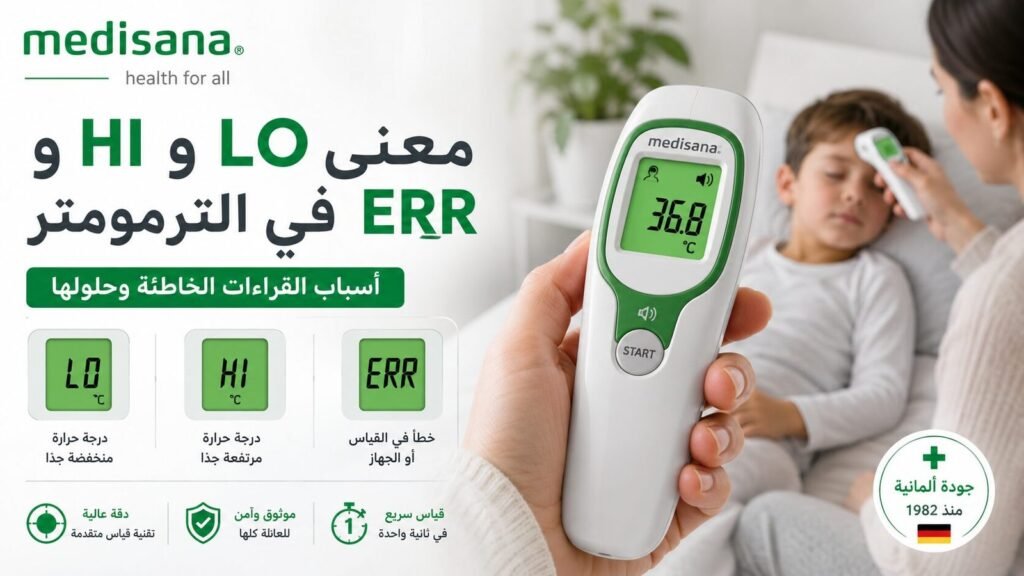
Understand LO, HI, ERR, E1, E2 and battery symbols on digital thermometers, what they may mean, and the correct troubleshooting order before requesting support.
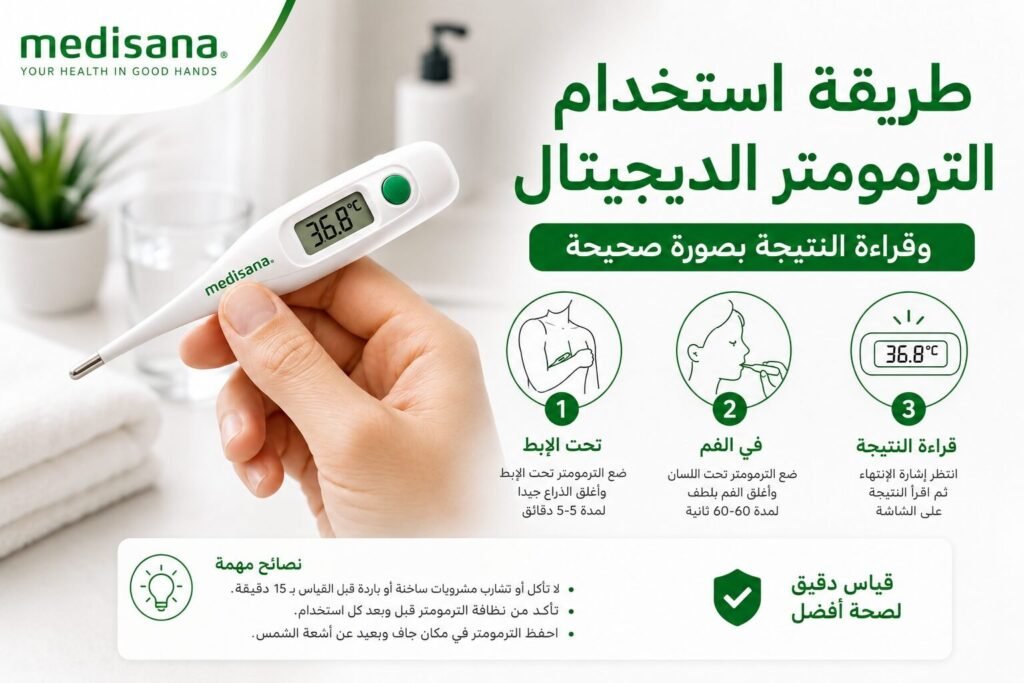
Learn how to use a digital contact thermometer correctly for armpit or oral measurement, read the result, clean the probe and handle LO, HI or ERR safely.
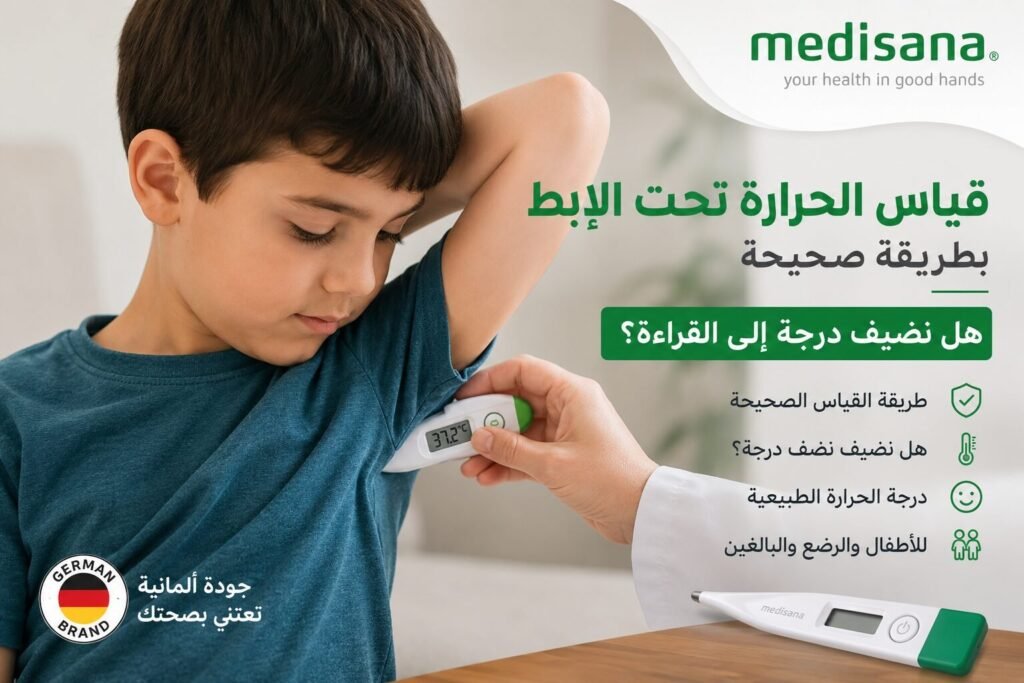
Learn how to measure temperature under the armpit correctly, where to place the thermometer, why you should not automatically add a degree, and when to confirm a reading.
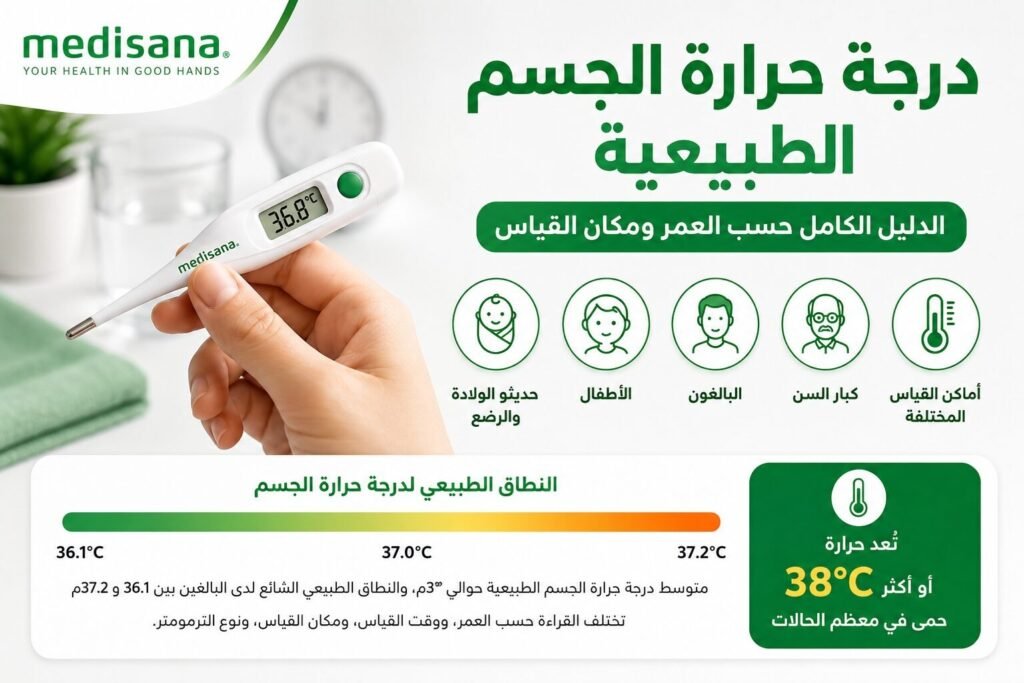
Understand normal body temperature by age, time of day and measurement site, including what 36°C, 37°C, 37.5°C and 38°C can mean and when symptoms matter more than the number.
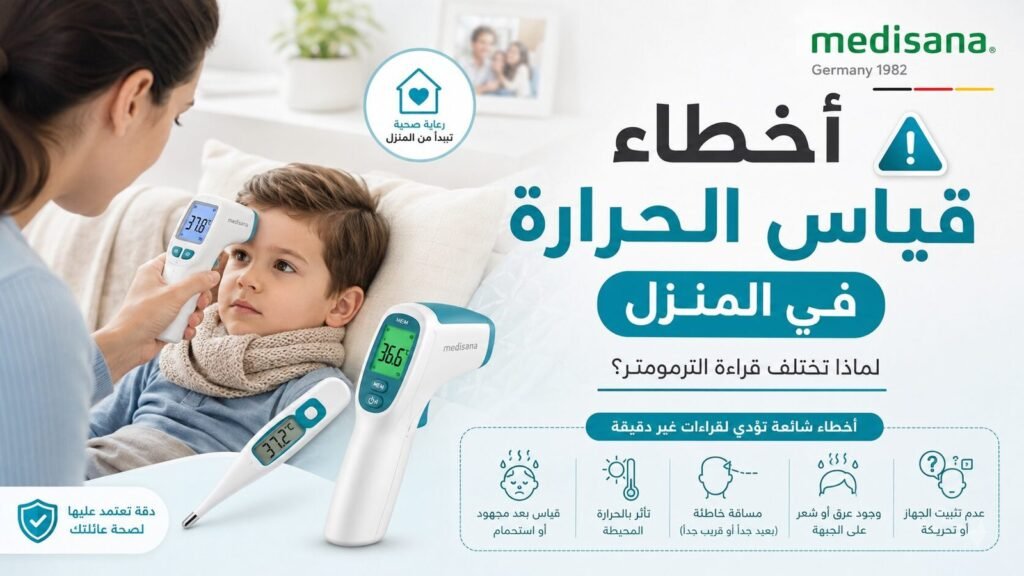
Thermometer readings different at home? Check measurement site, timing, Body mode, probe contact, forehead distance, sweat, battery and repeat technique before blaming the device.
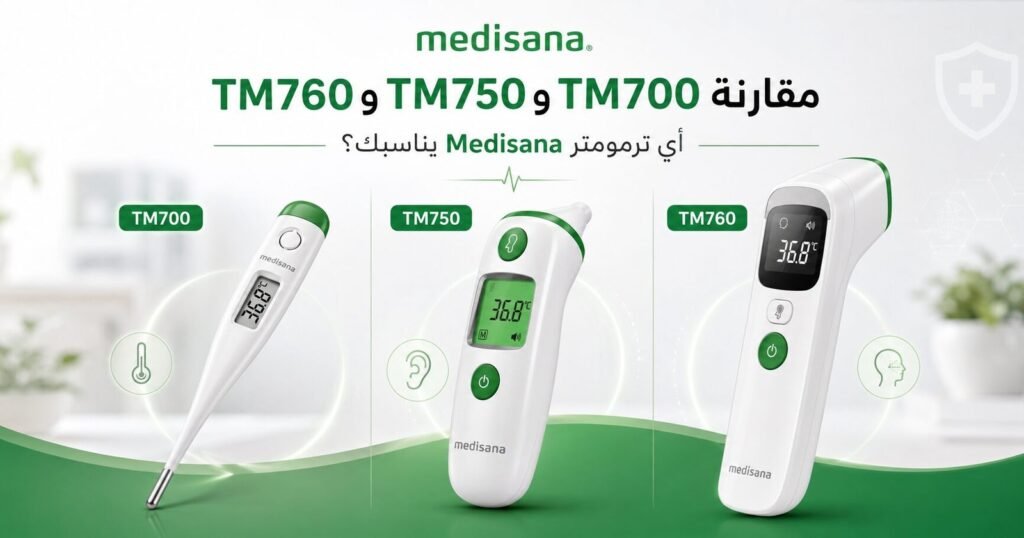
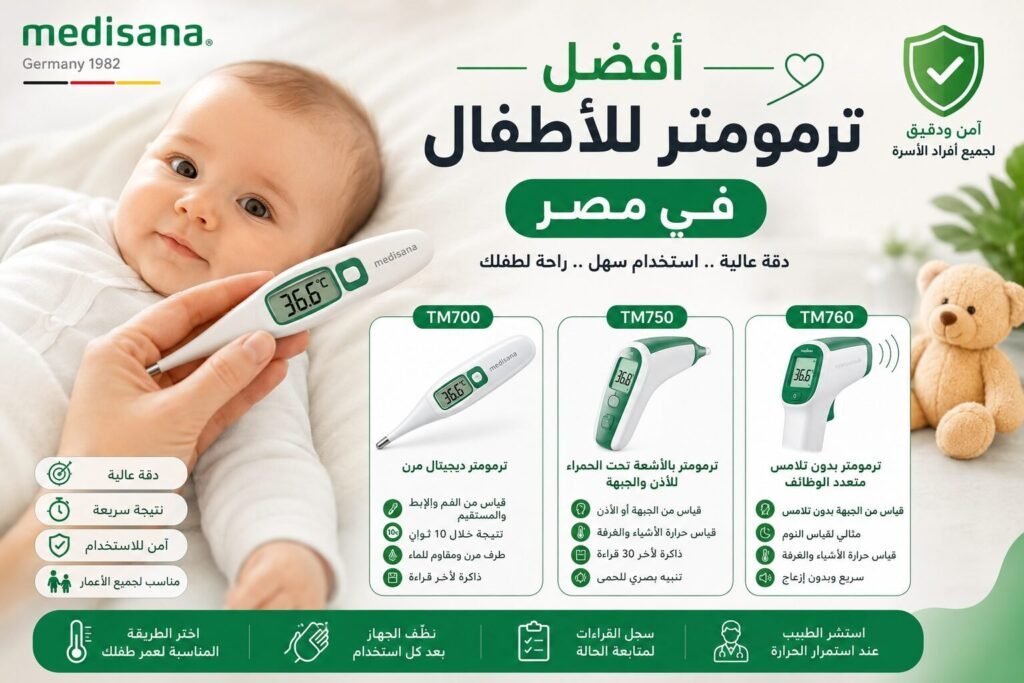
Compare Medisana TM 700, TM 750 Connect and TM 760 for children by age, measurement site, contact vs no-contact use, memory, Bluetooth and sleep-time convenience.
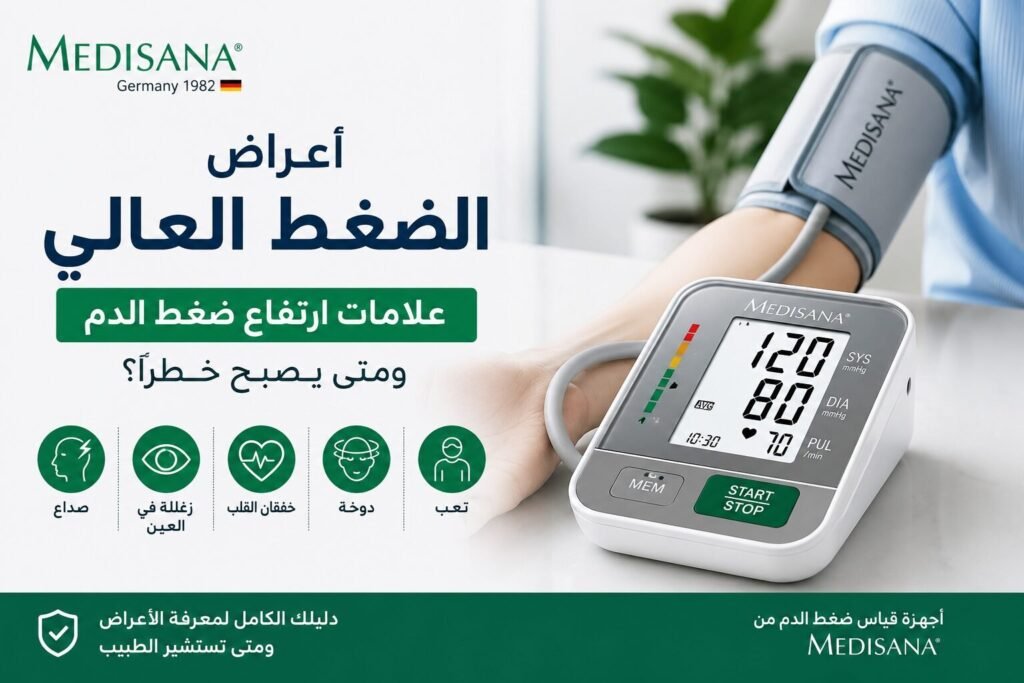
High blood pressure usually causes no symptoms. Learn what headache, dizziness or blurred vision can and cannot tell you, and when a reading above 180/120 with symptoms is an emergency.