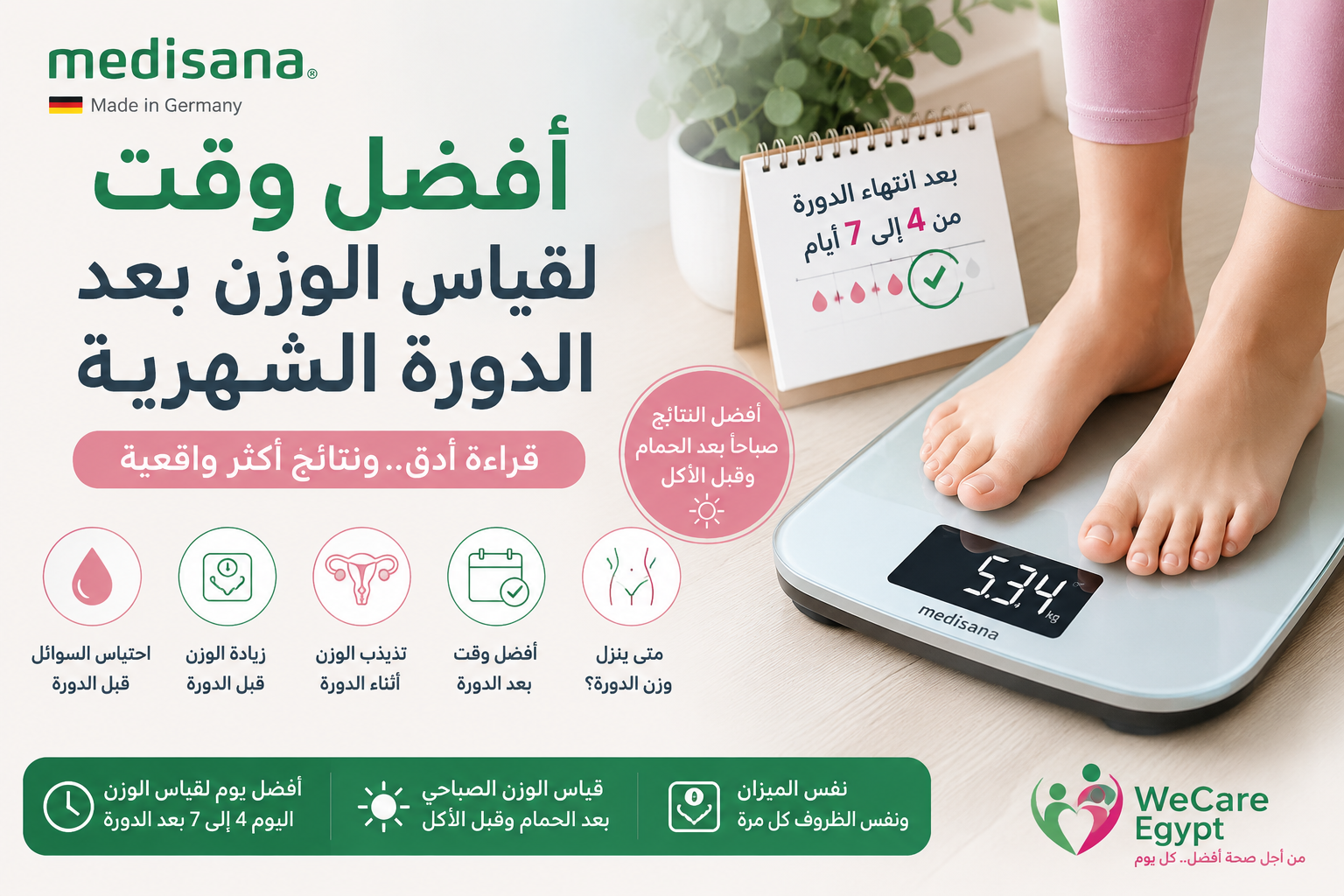
Short answer: there is no single medically fixed day that is the “best time to weigh yourself after your period” for every woman. If your weight changes around your menstrual cycle because of bloating or fluid retention, the most useful approach is to wait until those symptoms have settled for you, then compare your weight under similar conditions and at roughly the same stage of your cycle each month.
For day-to-day consistency, weighing yourself in the morning after using the bathroom and before eating or drinking can make comparisons easier. Use the same scale on a hard, level surface. Consistency matters more than choosing an arbitrary “day 5” or “day 7.”
Important: weight changes around your period can reflect fluid shifts, bloating, food intake, bowel contents, sleep, activity and other factors—not body-fat change alone. Seek medical advice if you have marked swelling, persistent unexplained weight gain, shortness of breath or other concerning symptoms.
So, When Is the Best Time to Weigh Yourself After Your Period?
The most practical time is after your usual bloating and fluid retention have eased, rather than after a universal number of days. Some women notice that symptoms settle soon after menstruation starts, while others continue to feel bloated for longer.
If your goal is to compare month to month, choose a point you can repeat—for example, after your cycle-related symptoms settle and at approximately the same phase of each menstrual cycle. This gives you a more meaningful comparison than weighing yourself just before one period and on a random day after the next.
Why Does Weight Change Around the Menstrual Cycle?
Hormonal changes around menstruation can be associated with fluid retention and bloating. Appetite, activity, sleep and salt intake can also change, all of which may temporarily move the number on the scale.
Cleveland Clinic explains that body weight can fluctuate from day to day because of water, food intake, bowel movements and other factors. A higher reading around your period therefore does not automatically mean you gained the same amount of body fat.
Is Your Weight During Your Period “Real”?
Yes. The number on the scale is your total body weight at that moment. What the scale cannot tell you by itself is why the number changed. A standard home scale does not separate temporary fluid retention, digestive contents and body-fat change.
If you are tracking fat loss, avoid judging your progress from a single menstrual-cycle-related reading. Look at the trend over several weeks and compare measurements taken under similar conditions.
Should You Wait 4 to 7 Days After Your Period?
Not as a universal medical rule. Waiting several days after symptoms settle may work well for some women, but there is no fixed 4-to-7-day window that everyone must follow.
If you track your weight regularly, note your menstrual-cycle stage and whether you are experiencing bloating. After a few months, you may see your own repeatable pattern instead of relying on a generic number of days.
Best Time of Day to Weigh Yourself
For more consistent comparisons:
Use the same scale each time.
Place it on a hard, level floor rather than carpet.
Measure at a similar time of day; morning after using the bathroom and before eating or drinking is practical.
Wear similar or minimal clothing when possible.
Do not directly compare a morning reading with an evening reading.
Focus on the trend instead of one isolated number.
How to Track Weight Without Being Misled by Fluctuations
1. Keep the Comparison Point Consistent
If your cycle is regular, compare roughly the same stage each month. If it is irregular, comparing measurements after your usual symptoms have settled may be more useful than tying the reading to a specific calendar day.
2. Track the Trend
One reading can be affected by a salty meal, constipation, hydration, exercise or measurement timing. A multi-week trend is more informative than reacting to every daily increase or decrease.
3. Do Not Use Scale Weight as Your Only Measure
Depending on your goal, you may also track waist circumference, how clothes fit, activity levels or physical performance. If weight monitoring is part of treatment for a medical condition, follow the measures recommended by your healthcare professional.
Does Your Period Cause Permanent Fat Gain?
Temporary fluid retention and bloating can increase scale weight, but that does not automatically mean permanent fat gain. Body-fat change depends on energy balance over time along with multiple health and behavioral factors.
A temporarily higher reading is not a reason to respond with extreme restriction. Allow short-term fluctuations to settle before interpreting the trend.
When Should Weight Changes Be Medically Evaluated?
Consider speaking with a healthcare professional if weight change is persistent and unexplained, or if it occurs with significant swelling, shortness of breath, unusual pain, a major persistent change in your menstrual cycle or other symptoms that affect daily life. Recurrent or severe fluid retention may need evaluation rather than being assumed to be menstrual-cycle related.
Frequently Asked Questions
What is the best day to weigh yourself after your period?
There is no single proven day that applies to everyone. A better comparison point is after your usual bloating and fluid retention have eased, using similar measurement conditions each month.
Can your weight increase before your period?
Yes. Some women notice temporary increases related to fluid retention, bloating and changes in routine around the menstrual cycle. The pattern varies from person to person.
When does period-related weight usually go back down?
There is no universal timetable. Premenstrual symptoms often improve after menstruation begins, but their duration and intensity differ. Tracking your personal pattern is more useful than expecting a fixed day.
Is it wrong to weigh yourself during your period?
No. You can weigh yourself during your period, but do not interpret one reading as body-fat change by itself. Record the cycle stage and symptoms, or use a more stable comparison point if the fluctuations are confusing.
Is daily or weekly weighing better?
It depends on your goal and how you respond to the number. Frequent weighing can make normal fluctuations easier to understand if you treat readings as data, but it may increase anxiety for some people. Consistent conditions and long-term trends matter more than frequency alone.
Bottom Line
The best time to weigh yourself after your period is not automatically day 4, 5 or 7. A more reliable approach is to weigh after your usual cycle-related bloating and fluid retention have settled, then repeat the measurement under similar conditions and at roughly the same stage of the cycle. This makes the number more useful for tracking trends and less likely to be mistaken for sudden body-fat change.
This content is for general education and does not diagnose the cause of weight gain, swelling or fluid retention in an individual.
Choosing a Home Scale for Consistent Tracking
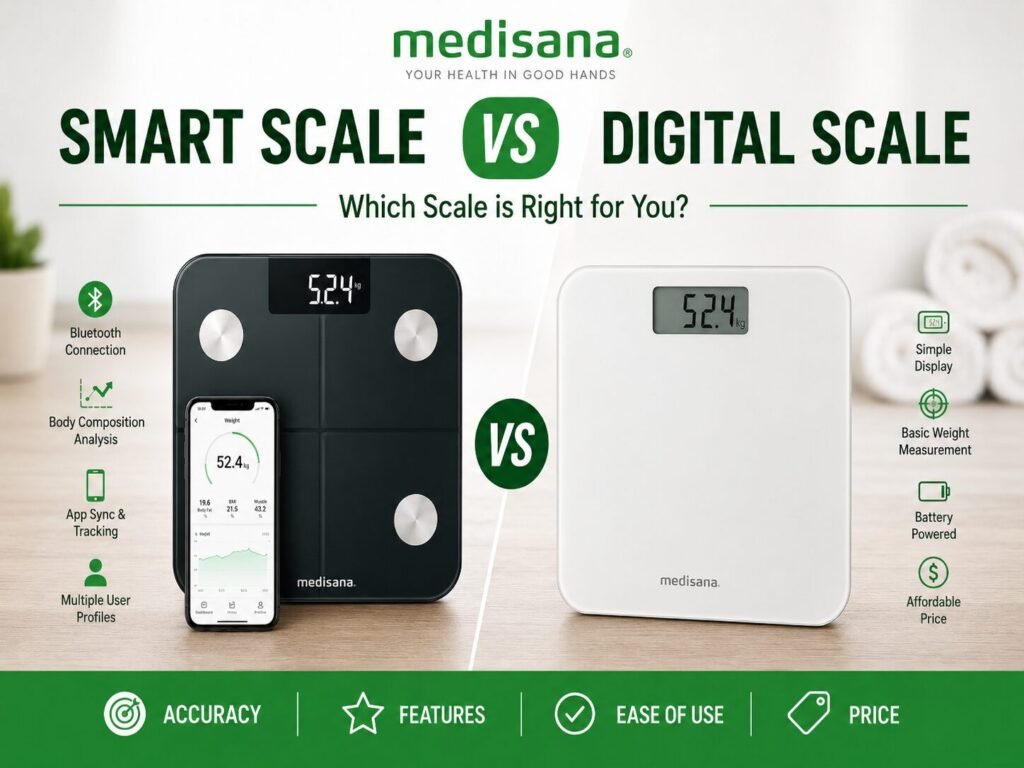
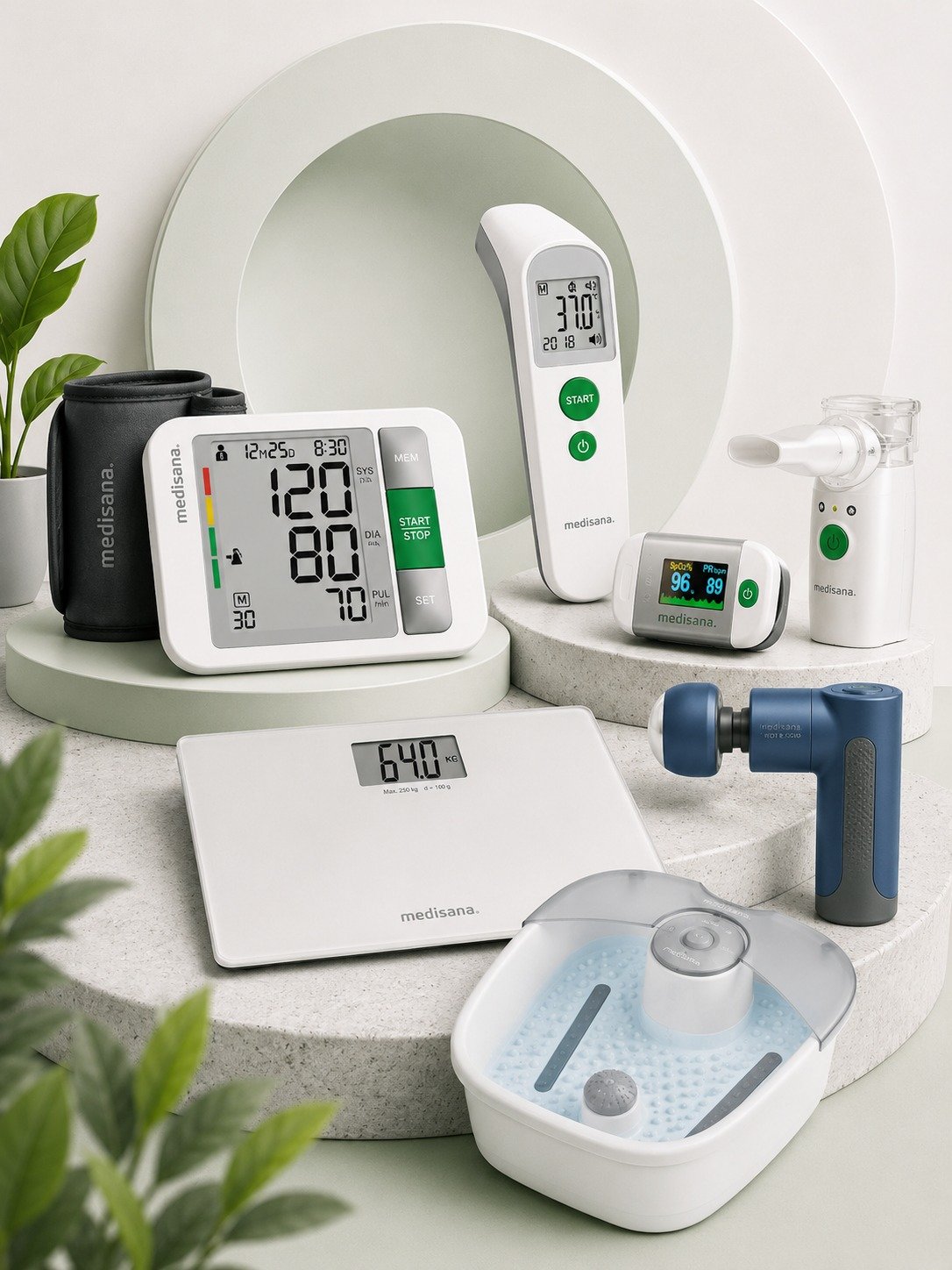
Using the same scale on a hard, level surface is more important for comparison than switching devices between measurements. You can compare our digital personal scales by capacity, platform size and features before buying.
Shop from WeCare Egypt
Explore Trusted Home Medical Devices and Medical Supplies
Compare blood pressure monitors, inhalation devices, weight scales, massage devices, and home health care products, then choose the most suitable option for your daily needs from WeCare Egypt.
Nebulizer not making mist? Troubleshoot compressor and mesh models by checking power, tubing, filter, cup assembly, batteries, mesh contact and cleaning—without changing the medication dose.
Learn what Perfusion Index (PI) means on a pulse oximeter, how it differs from SpO₂ and pulse rate, why PI changes, and how to use it as a signal-quality clue.
Understand LO, HI, ERR, E1, E2 and battery symbols on digital thermometers, what they may mean, and the correct troubleshooting order before requesting support.
Learn how to use a digital contact thermometer correctly for armpit or oral measurement, read the result, clean the probe and handle LO, HI or ERR safely.
Learn how to measure temperature under the armpit correctly, where to place the thermometer, why you should not automatically add a degree, and when to confirm a reading.
Understand normal body temperature by age, time of day and measurement site, including what 36°C, 37°C, 37.5°C and 38°C can mean and when symptoms matter more than the number.
Thermometer readings different at home? Check measurement site, timing, Body mode, probe contact, forehead distance, sweat, battery and repeat technique before blaming the device.
Compare Medisana TM 700, TM 750 Connect and TM 760 for children by age, measurement site, contact vs no-contact use, memory, Bluetooth and sleep-time convenience.
High blood pressure usually causes no symptoms. Learn what headache, dizziness or blurred vision can and cannot tell you, and when a reading above 180/120 with symptoms is an emergency.