How to Buy Home Health Products Safely Online: 8 Checks
31
May
Buying a home health device online should involve more than checking a photo, a discount and a star rating. The safest purchase starts by confirming the exact product, its intended use, the requirements for operating it, the seller’s support path and what happens if the item arrives damaged or does not match the order.
This guide is for buyers who already know the type of product they need and want a practical process for buying it safely online in Egypt. It is intentionally different from our broad guide to types of home healthcare products and from the home health essentials checklist.
Important: A home health product may support monitoring, respiratory care or comfort, but it does not replace professional medical advice. For devices used with medication or for disease monitoring, confirm the intended use with the appropriate healthcare professional.
Safe online buying: the 8 checks
Check
Question to answer
Red flag
1. Exact need
What will the product be used for, and who will use it?
Buying because the product is popular without confirming suitability.
2. Exact model
Is the model/SKU clear and consistent across the listing?
Generic photos, missing model number or conflicting specifications.
3. Operating requirements
Does it need batteries, mains power, consumables, medication cups or accessories?
Hidden ongoing costs or unavailable consumables.
4. Seller reliability
Can you identify and contact the seller?
No address, support channel, company details or return information.
5. Warranty and returns
What is covered, for how long, and what proof is required?
“Warranty included” with no duration or conditions.
6. Delivery conditions
How will the item be packed and what should you inspect on arrival?
No process for reporting damage or missing items.
7. Claims
Are product claims consistent with its intended use?
Guaranteed cures, diagnosis claims or unsupported “100% accurate” promises.
8. Post-delivery check
Does the delivered product match the order and work as documented?
Wrong model, damaged seals, missing manual/accessories or altered packaging.
1. Define the exact need before searching for a product
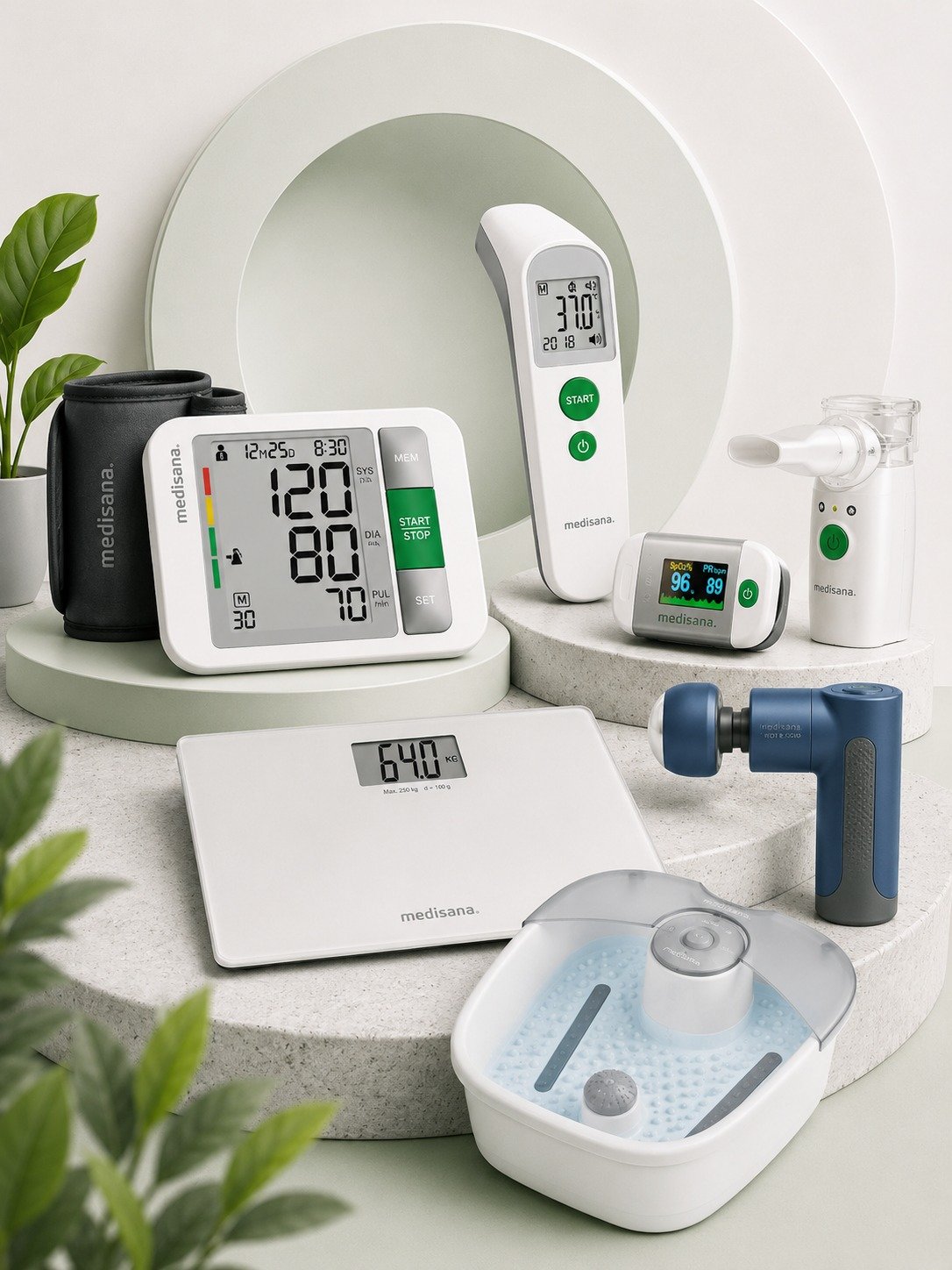
Start with the job the product needs to do. “Medical device” is too broad. A blood pressure monitor, pulse oximeter, nebulizer, thermometer, digital scale and heating pad have completely different selection and safety requirements.
Write down:
who will use the product;
whether it is for measurement, respiratory use, comfort or another purpose;
how often it will be used;
whether the user has physical or visual limitations;
whether a healthcare professional has specified a type or feature;
whether consumables or replacement parts will be needed.
This prevents a common buying mistake: choosing the product with the most features instead of the product that matches the actual use case.
2. Verify the exact model, not just the product name
Two products from the same brand can look similar and still have different cuffs, memory capacities, power requirements, accessories or intended uses. Before checkout, match the model number or SKU across the title, description, product images and technical specifications.
For a Medisana product, for example, BU 510 and BU 565 are both upper-arm blood pressure monitors, but their current cuff ranges and memory capacities are different. A feature stated for one should never be assumed to exist on the other.
Look for a product page that clearly shows:
brand and exact model;
measurement or operating method;
dimensions or cuff range where relevant;
memory or capacity;
power source;
included accessories;
current stock;
warranty information for that model.
3. Check power, consumables and operating requirements
The U.S. Food and Drug Administration advises users of home-use medical devices to think about operating requirements, power sources and the user’s ability to operate the device safely. These are purchase questions, not details to discover after delivery.
For measurement devices
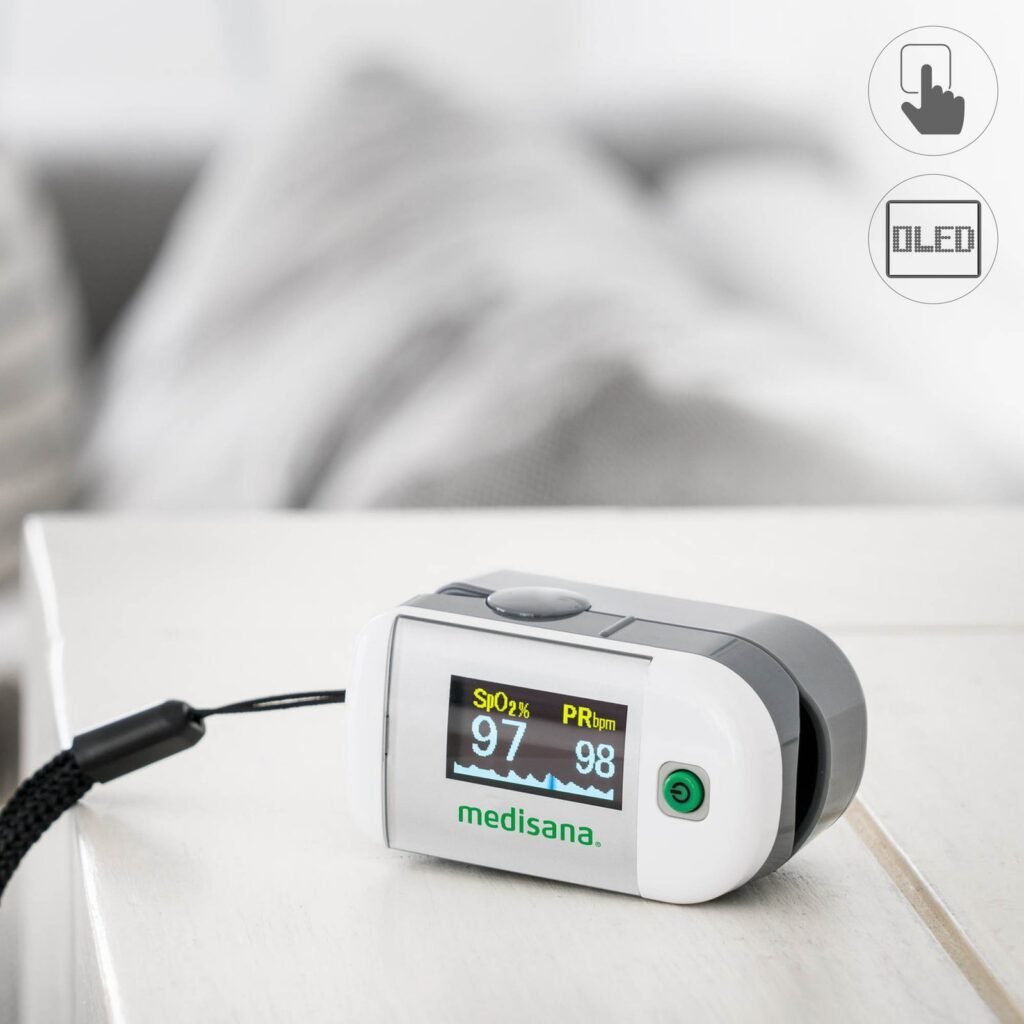
Check battery type, optional adapter requirements, cuff or sensor compatibility and whether the user can see the display and operate the controls.
For nebulizers
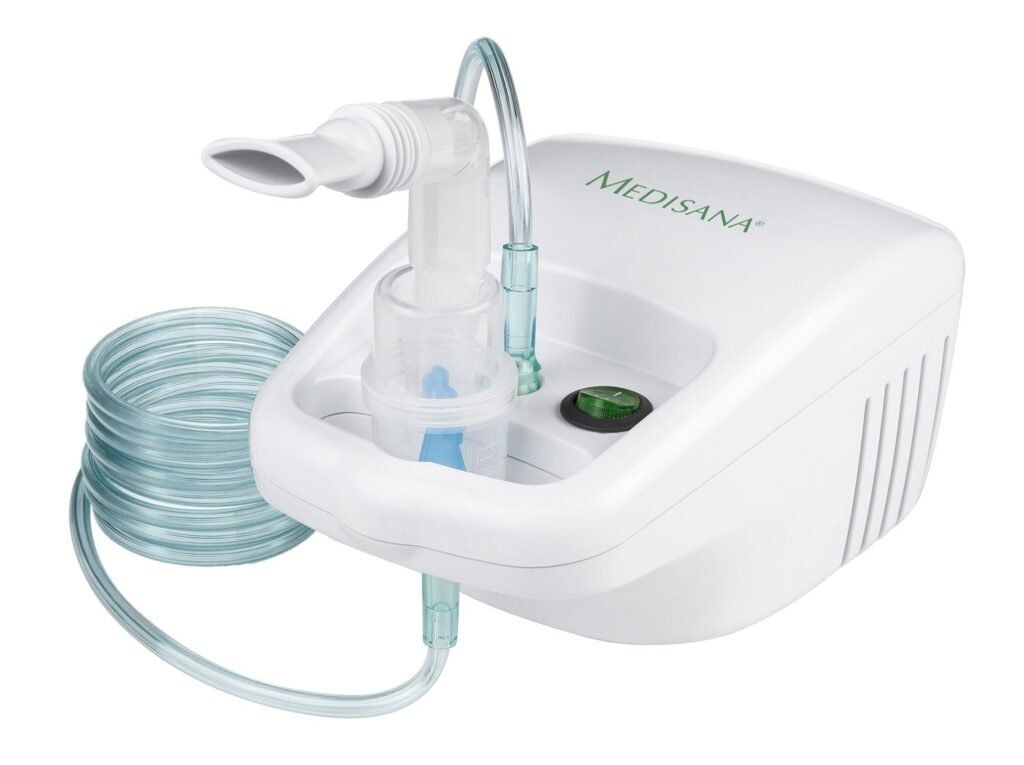
Check technology type, medication cup/accessories, cleaning requirements and replacement parts. The device delivers an inhalation solution; it does not determine the medication or dose. Follow the treatment instructions given by the relevant healthcare professional.
For heating products
Check voltage, heat levels, cable/controller condition, care instructions and automatic shut-off if the exact model provides it. Never infer a safety feature from another model.
For devices with strips or other consumables
Confirm that compatible consumables are available locally, that expiry dates can be checked and that ongoing cost is acceptable. A cheap device can become an expensive or unusable purchase if its consumables are difficult to obtain.
4. Verify the seller before trusting the product listing
The FDA recommends buying home-use devices from reliable sources and considering customer support and return policies. A credible seller should make it possible to identify who is responsible for the sale and how to reach them.
Before ordering, check for:
a clear business identity;
working contact details;
a physical or service address where appropriate;
published shipping and return policies;
a clear warranty process;
support before and after purchase;
product pages that show model-specific information instead of copied generic descriptions.
A home health device should be inspected before you begin relying on it. When the order arrives:
Confirm the model number against the order.
Check the outer packaging for obvious impact or water damage.
Check product seals where applicable.
Confirm that the manual and listed accessories are present.
Inspect the cable, controller, cuff, tubing, sensor or battery compartment depending on the product.
Do not use a damaged electrical or heating product.
Keep the invoice, warranty documentation and packaging until you confirm that the order is correct.
If anything is missing or damaged, contact the seller through the documented support route before attempting repairs or modifications.
7. Recognize unsafe or misleading product claims
Marketing language deserves extra scrutiny when a product is connected to health. Warning signs include:
“guaranteed cure” claims;
a monitor presented as capable of diagnosing a disease by itself;
“100% accurate” without model-specific evidence;
claims that a massage or heating product treats a medical condition;
features copied from another model;
no model number or technical documentation;
a very low price combined with unclear seller identity or warranty.
A trustworthy listing explains what the product is designed to do and also makes its limitations clear.
8. Perform a post-delivery usability check
A product can be genuine and still be a poor fit for the user. Before relying on it regularly, ask:
Can the user understand the display and controls?
Does the cuff or accessory fit correctly?
Can the user follow the cleaning and storage requirements?
Are batteries, power adapters or consumables practical to obtain?
Does the product behave as described in the manual?
For a home blood pressure monitor, a healthcare professional can also help verify that you are using the device correctly and compare it with a clinical measurement.
Category-specific safety checks
Product type
Extra check before buying
Do not assume
Blood pressure monitor
Validation evidence and correct cuff range
Every cuff fits every adult.
Thermometer
Measurement site/method and intended age group
Forehead, ear and oral readings are interchangeable.
Pulse oximeter
Intended use, display and user instructions
A normal reading overrides serious symptoms.
Nebulizer
Technology, cleaning, accessories and medical instructions
The device decides medication or dose.
Heating product
Electrical condition, heat controls and safety instructions
It can be used during sleep unless the manual explicitly allows it.
Massage device
Body area, mechanism and contraindication guidance
Comfort claims equal medical treatment.
Before you click “Order”: 60-second checklist
I know the exact product type I need.
The model/SKU is clear.
I checked the key specification that affects fit or use.
I know what is included in the box.
I checked batteries, power or consumables.
I can identify and contact the seller.
I read the warranty, return and shipping terms.
I understand the product’s limitations and safety instructions.
If all eight are clear, use the WeCare Egypt online store to compare the current products by category, then open the exact model page to check live price and stock.
Frequently asked questions
What is the safest way to buy a home medical device online?
Verify the exact model, its operating requirements, the seller, warranty and return path, then inspect the delivered item before relying on it.
Should I trust a product because it has many reviews?
Reviews can describe user experience, but they do not replace model verification, appropriate validation, correct specifications or a clear warranty.
Is the cheapest seller the best choice?
Not necessarily. Compare the total buying risk: authenticity, model accuracy, warranty, return conditions, support, accessories and current stock.
What should I keep after receiving the product?
Keep the invoice, warranty information, manual and packaging until you have checked the model, accessories and basic operation.
Can a home medical device replace professional care?
No. Home devices can support monitoring or care routines, but concerning symptoms, abnormal trends or treatment decisions require appropriate professional assessment.
Content reviewed August 2026. Product availability, warranty and return terms can change; verify the exact product page and current policies before ordering.
Shop from WeCare Egypt
Explore Trusted Home Medical Devices and Medical Supplies
Compare blood pressure monitors, inhalation devices, weight scales, massage devices, and home health care products, then choose the most suitable option for your daily needs from WeCare Egypt.
Nebulizer not making mist? Troubleshoot compressor and mesh models by checking power, tubing, filter, cup assembly, batteries, mesh contact and cleaning—without changing the medication dose.
Learn why a pulse oximeter may show low or unstable SpO₂, how to repeat the measurement correctly, common accuracy limitations, and when symptoms need medical attention.
Learn what Perfusion Index (PI) means on a pulse oximeter, how it differs from SpO₂ and pulse rate, why PI changes, and how to use it as a signal-quality clue.
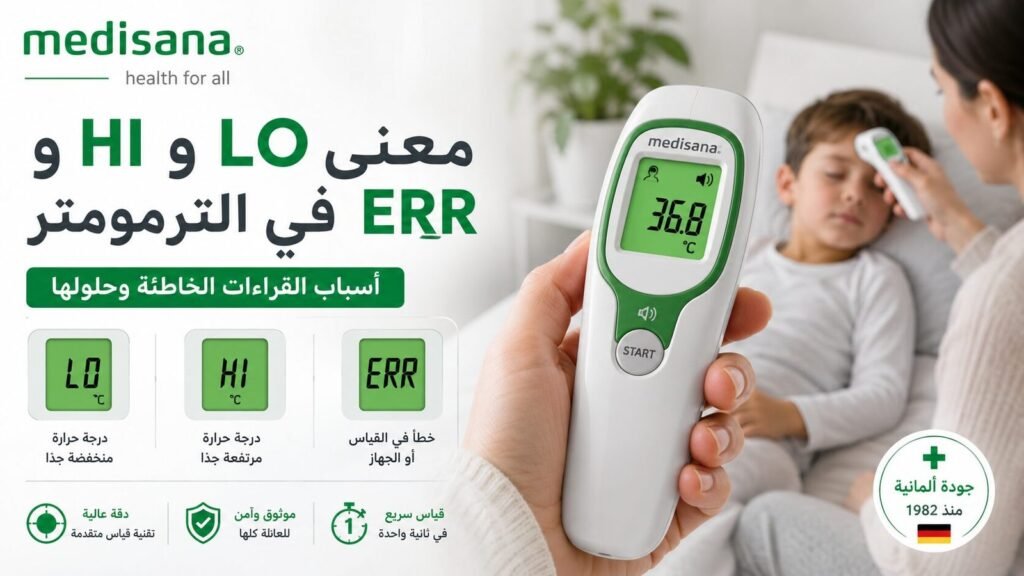
Understand LO, HI, ERR, E1, E2 and battery symbols on digital thermometers, what they may mean, and the correct troubleshooting order before requesting support.
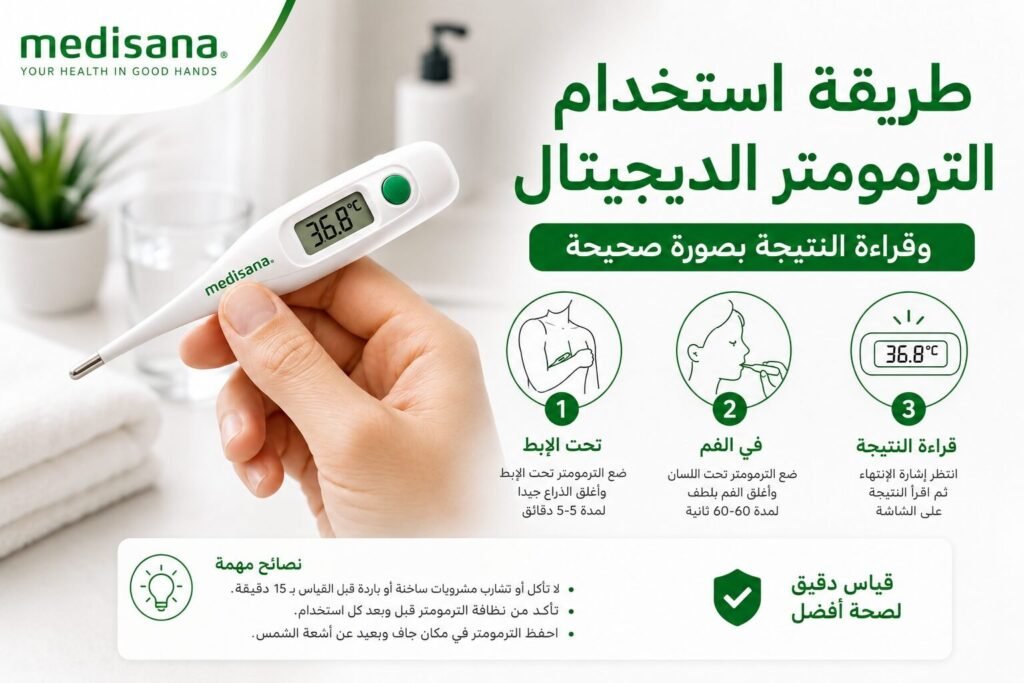
Learn how to use a digital contact thermometer correctly for armpit or oral measurement, read the result, clean the probe and handle LO, HI or ERR safely.
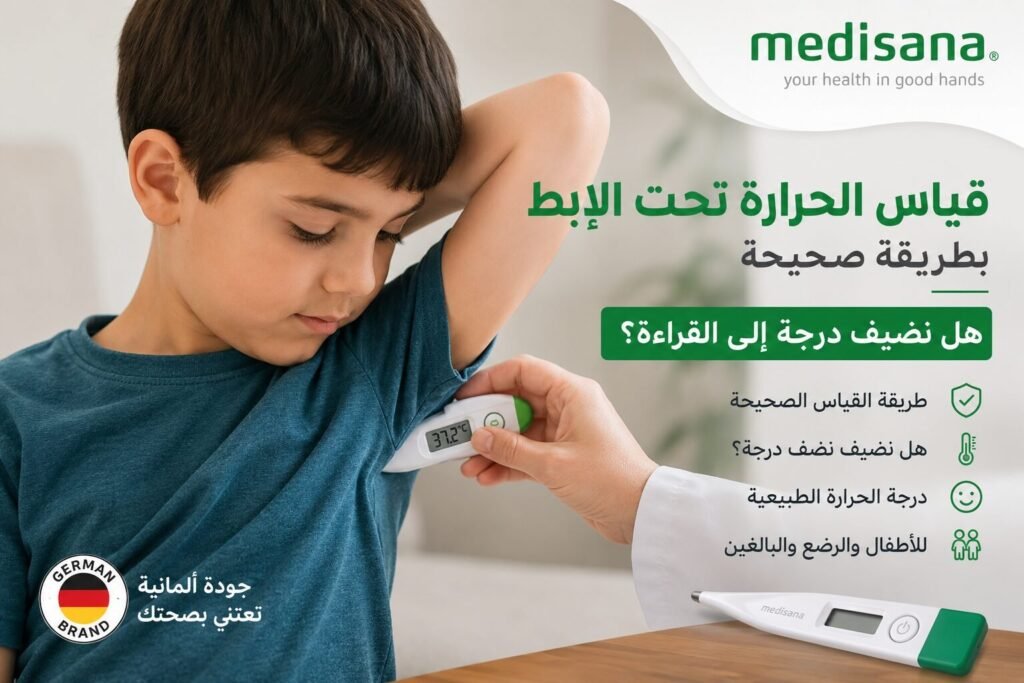
Learn how to measure temperature under the armpit correctly, where to place the thermometer, why you should not automatically add a degree, and when to confirm a reading.
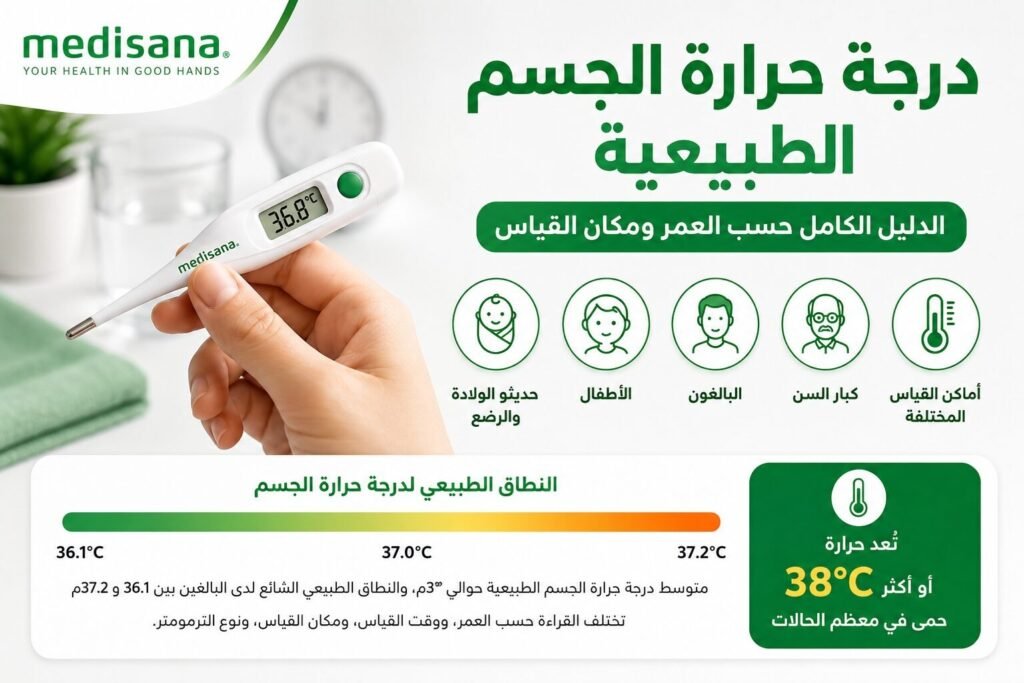
Understand normal body temperature by age, time of day and measurement site, including what 36°C, 37°C, 37.5°C and 38°C can mean and when symptoms matter more than the number.
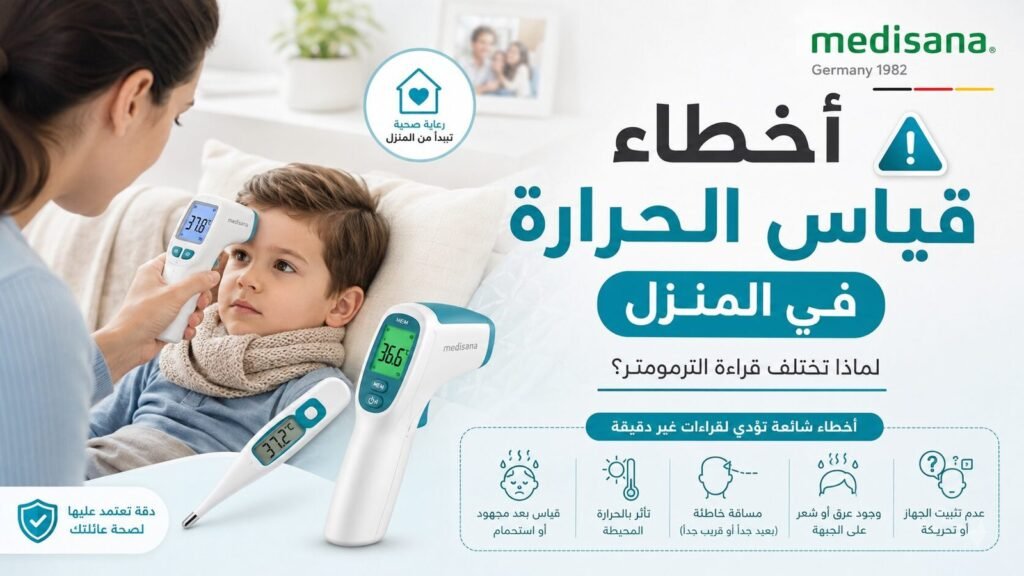
Thermometer readings different at home? Check measurement site, timing, Body mode, probe contact, forehead distance, sweat, battery and repeat technique before blaming the device.
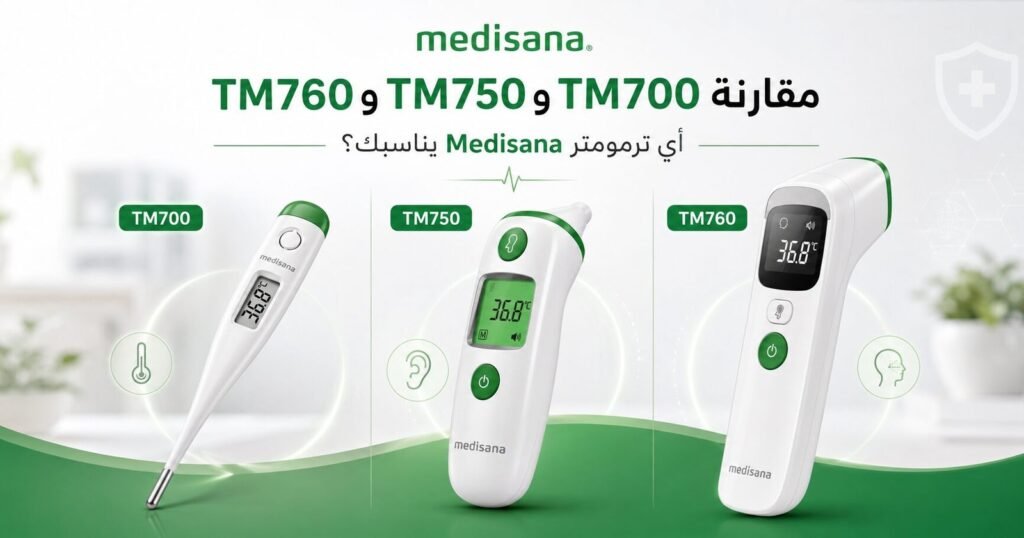
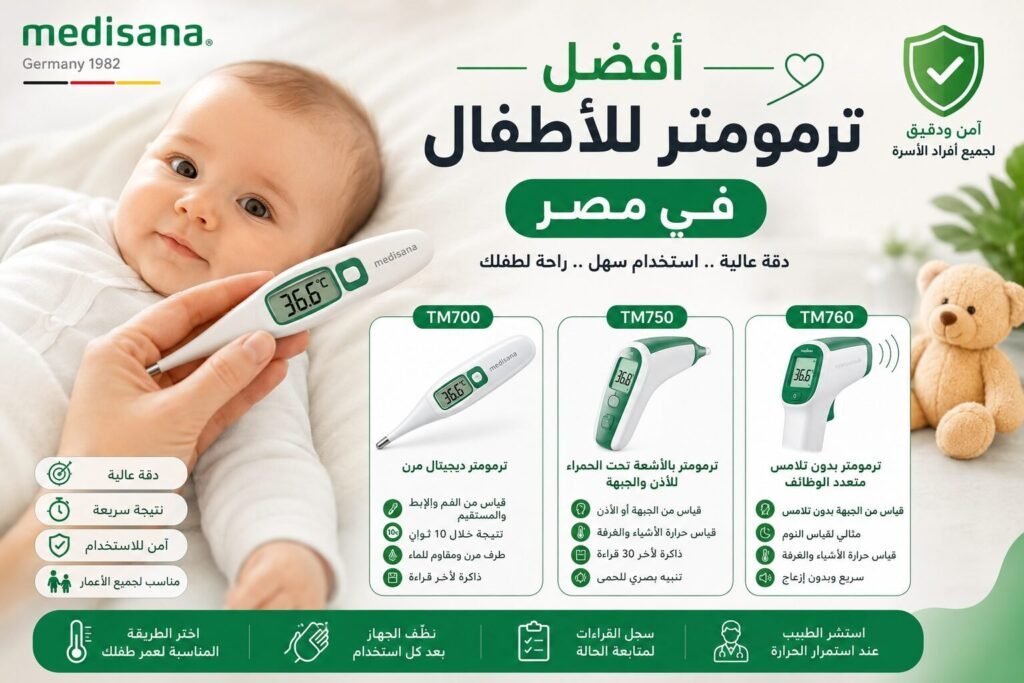
Compare Medisana TM 700, TM 750 Connect and TM 760 for children by age, measurement site, contact vs no-contact use, memory, Bluetooth and sleep-time convenience.
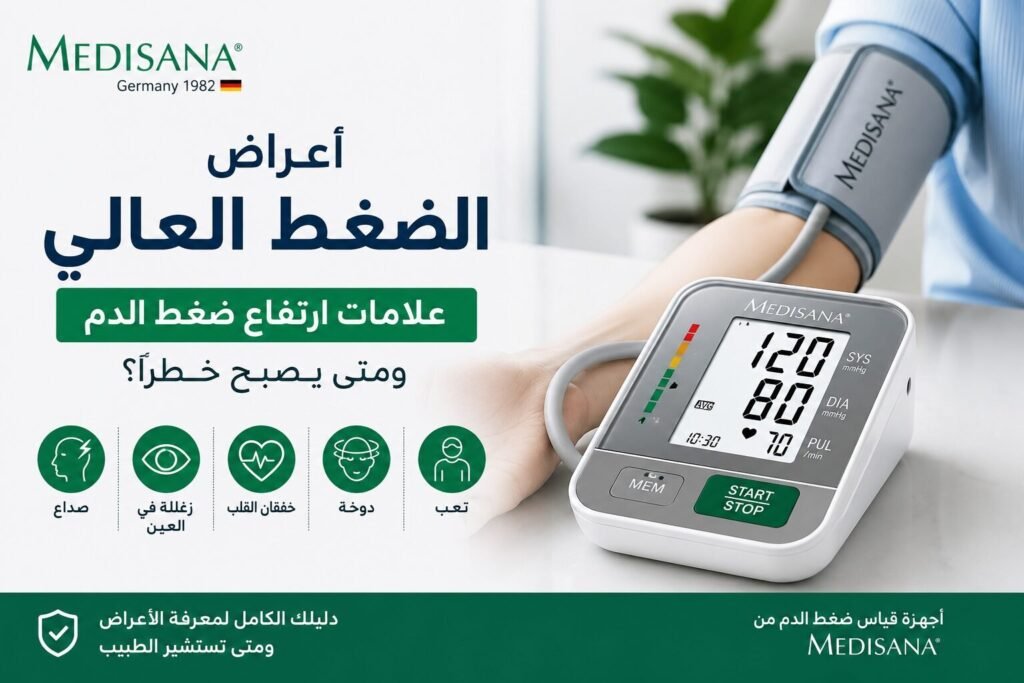
High blood pressure usually causes no symptoms. Learn what headache, dizziness or blurred vision can and cannot tell you, and when a reading above 180/120 with symptoms is an emergency.