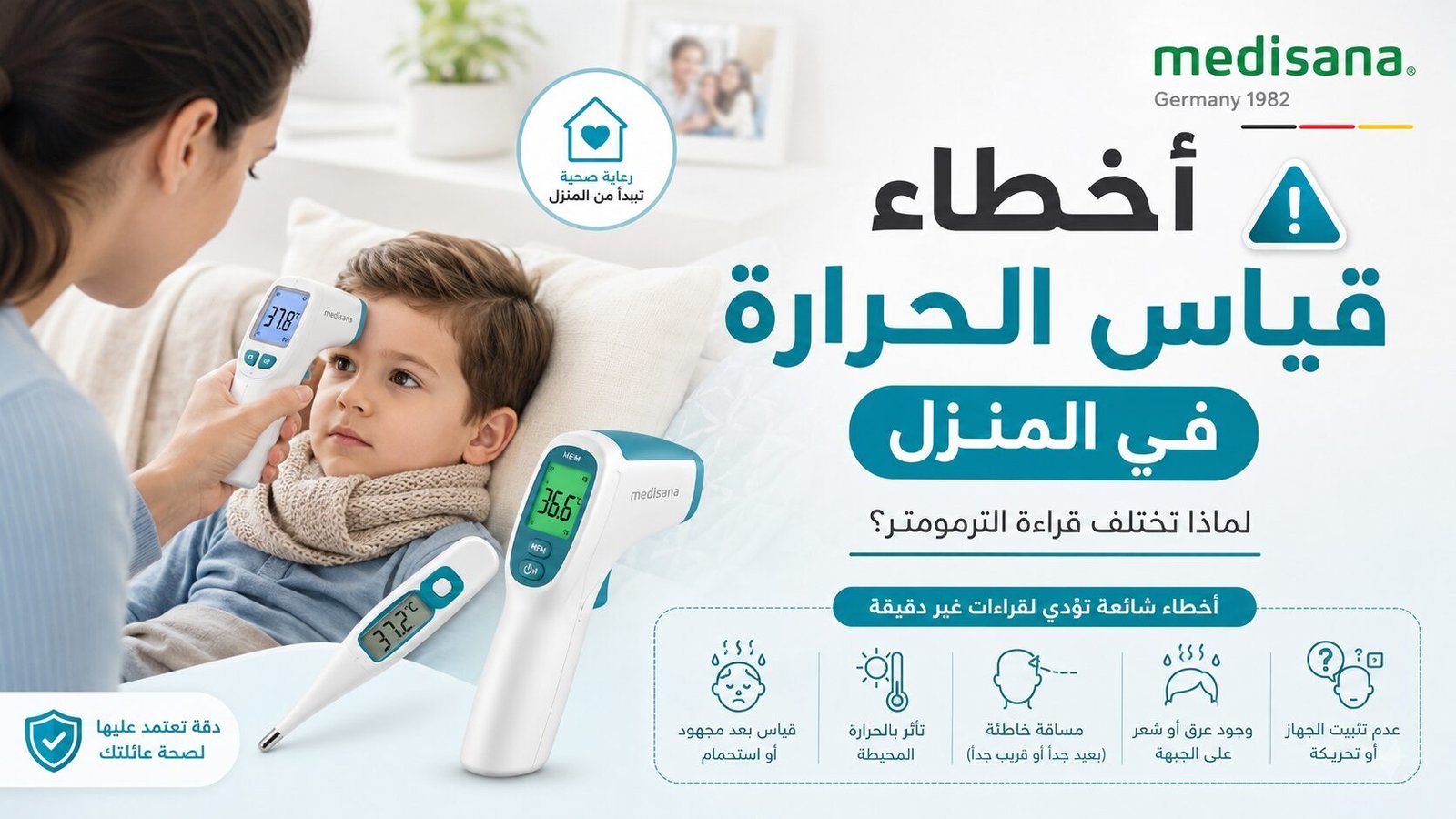
Why Thermometer Readings Differ: 9 Home Measurement Errors
10
Jul
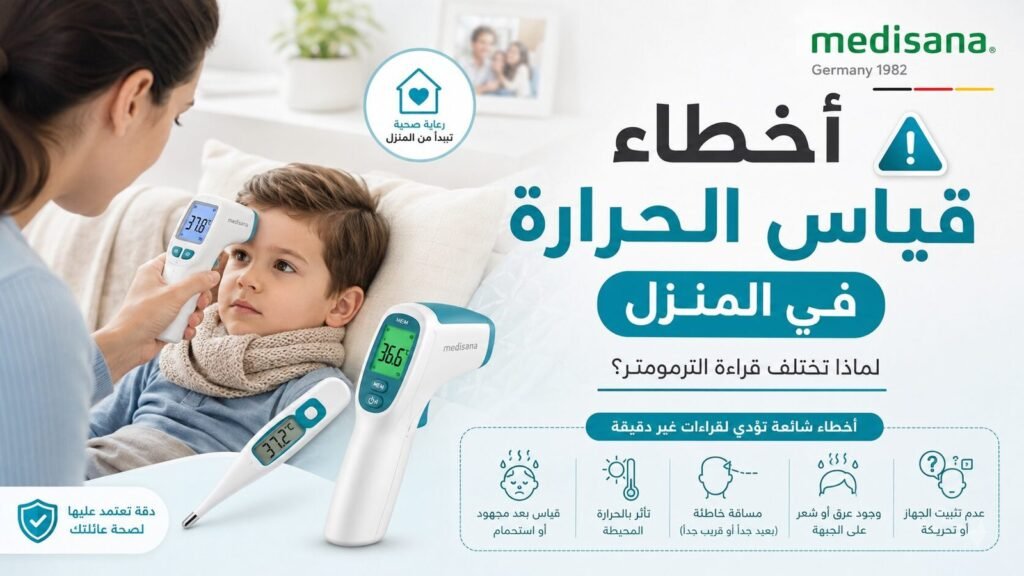
Direct answer: different thermometer readings do not automatically mean one reading or one device is wrong. The difference may come from changing the measurement site, timing, probe contact, forehead distance or angle, Body vs Surface mode, sweat, room conditions or technique. Before blaming the thermometer, change only one variable at a time and repeat the measurement with the same device and the same site.
Evidence note: temperature readings depend on the measurement method and conditions. MedlinePlus advises telling a healthcare professional which site was used because oral, rectal, axillary and other methods do not produce identical values. The American Academy of Pediatrics also stresses using an age-appropriate method and following the thermometer instructions.
First Identify What Kind of Difference You Are Seeing
A small repeated difference: this may reflect normal body variation, display resolution or ordinary measurement variation.
A large difference between sites: armpit, forehead, ear and oral readings are not interchangeable measurements.
A reading that changes rapidly using the same method: check sensor positioning, movement, environment and technique.
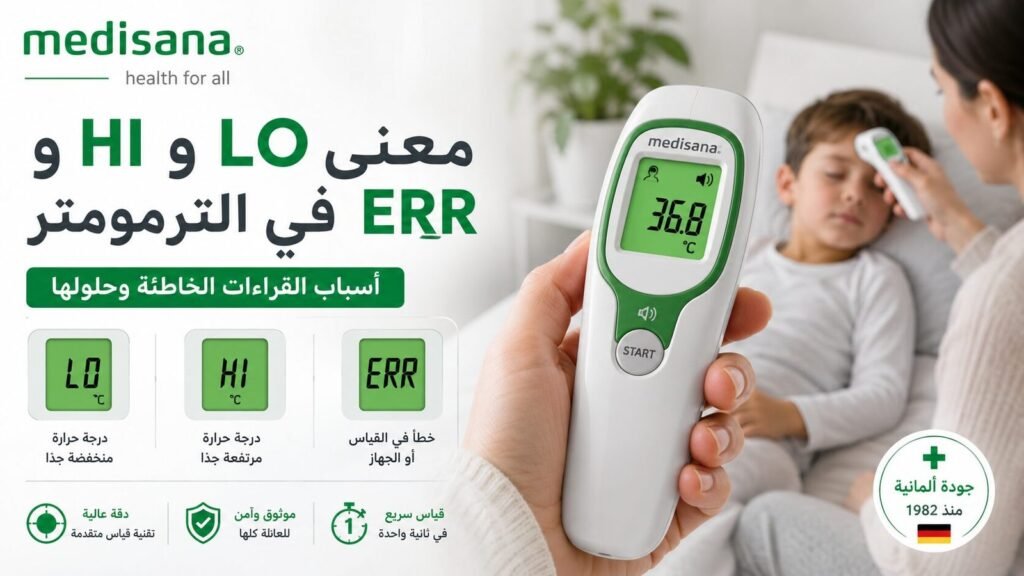
LO, HI, ERR, E1 or E2: this is a device message or range/operation issue rather than simple reading variation. See our thermometer error-code guide.
A difference between two thermometers: first standardize the site, timing and technique before comparing the devices.
A Controlled Test Before You Assume the Thermometer Is Inaccurate
Use one person and one thermometer.
Choose one measurement site that is appropriate for the device and person.
Let the person rest in a stable indoor environment.
Clean the probe or sensor window according to the manufacturer’s instructions.
If the device has multiple modes, select Body rather than Surface/Object mode for body temperature.
Complete the measurement without talking or unnecessary movement.
Record the temperature, time and measurement site.
Repeat only according to the model instructions and under the same conditions.
If the readings become reasonably consistent, the earlier variation was probably related to changing conditions rather than a defective sensor. If a large discrepancy continues under controlled conditions, check the battery, manual and technical support guidance.
An armpit reading is not simply an oral reading minus a fixed number, and a forehead reading is not automatically equivalent to an ear reading. Each site reflects temperature differently and has its own sources of error.
Error 2: Comparing Two Thermometers Using Different Methods
Comparing a contact thermometer under the armpit with an infrared forehead thermometer changes both the technology and the measurement site at the same time. A difference between the two numbers does not tell you which device is inaccurate.
What to do: first test whether each thermometer gives consistent readings when used correctly within its own method. If medical confirmation is needed, use the measurement site and method recommended for the person’s age and clinical situation.
Error 3: Poor Contact With a Probe Thermometer
For an axillary reading, clothing, moisture or a gap between the probe and the skin can affect the result. For oral measurement, incorrect probe placement, breathing through an open mouth or measuring soon after hot or cold drinks can also change the reading.
Error 4: Inconsistent Distance or Angle With an Infrared Forehead Thermometer
A forehead sensor measures infrared energy from a defined area. Changing the distance or angle can change the area seen by the sensor, especially if hair, sweat or surrounding air enters the measurement field.
What to do: use the exact distance and aiming method specified by the manufacturer. If the device has a positioning light or distance guide, use it rather than estimating the distance.
Error 5: Using Surface Mode Instead of Body Mode
Many multifunction infrared thermometers can measure both body temperature and objects or surfaces. These modes use different interpretation settings. A plausible-looking number in Surface mode is not automatically a valid body-temperature reading.
What to do: check the mode indicator on the display before every body measurement, particularly if the thermometer was recently used for milk, bath water or another object.
Error 6: Sweat, Hair and Environmental Temperature
Sweat, hair over the forehead, direct sunlight, heavy covering or moving suddenly from a very hot or cold environment can affect skin-surface temperature. The thermometer may be functioning normally while the measurement conditions are unstable.
What to do: keep the forehead clear and dry and allow the person and device to stabilize according to the thermometer instructions before measuring.
Error 7: Measuring at the Wrong Time
Exercise, a hot bath and hot or cold food or drinks can temporarily affect temperature readings, especially with oral measurements. MedlinePlus recommends allowing time after heavy exercise or a hot bath and after eating or drinking before certain measurements.
What to do: avoid comparing a reading taken immediately after an activity with one taken under resting conditions. Record the time and circumstances if you are following a temperature trend.
Error 8: Dirty Sensor or Weak Battery
Oil, dust or residue on an infrared sensor window can interfere with optical measurement. Residue or moisture on a contact probe can also affect use or damage the device if it is cleaned incorrectly. A weak battery may cause a battery warning, a dim display or an incomplete measurement cycle depending on the model.
What to do: clean only with the method allowed by the manufacturer, let the sensor dry completely, and use the battery type and polarity specified in the manual.
Error 9: Repeating Measurements Without a Plan
Taking many readings while changing position, distance or measurement site creates more numbers but less useful information. It can also encourage you to focus on the most extreme number rather than the person’s condition and the overall pattern.
What to do: decide why you are repeating the measurement, keep the conditions the same and record a complete reading rather than continuing until a preferred number appears.
Troubleshooting Table: From the Result to the Likely Cause
What You See
Possible Cause
What to Check
Unexpectedly low armpit reading
Poor skin contact, moisture or an open arm position
Dry the skin and position the probe correctly
Forehead readings change quickly
Distance, angle, sweat, hair or environment
Standardize the site, distance and conditions
Right ear differs from left ear
Probe direction, earwax or ear-canal differences
Follow the model’s ear-positioning instructions
A normal-looking number is followed by ERR
Operation, range, movement or battery issue depending on the model
Check the error-code section of the manual
Two thermometers always differ
Different site, calibration or measurement method
Evaluate each device consistently within its own method first
When Should You Suspect a Device Problem?
A large discrepancy continues with the same person, same site and stable conditions.
An error code repeatedly returns after correct technique and a fresh battery.
The probe, optical window or display is visibly damaged.
The thermometer repeatedly fails to complete a measurement cycle.
Readings remain implausible despite correct use and a stable environment.
At that point, check the model manual and contact the seller or manufacturer support rather than repeatedly testing under changing conditions.
When Should You Stop Troubleshooting the Thermometer and Focus on the Person?
If an unusual temperature is repeated with correct technique or the person has serious symptoms—such as difficulty breathing, altered consciousness, seizure, a concerning rash, severe dehydration, neck stiffness or rapid deterioration—seek medical assessment. Do not let device comparisons delay care.
If the Thermometer Shows a Code Instead of a Temperature
A displayed code is a different problem from normal reading variation. Use the LO, HI, ERR, E1 and E2 thermometer error-code guide, then check the exact manual for your model because code meanings are not fully standardized across manufacturers.
Frequently Asked Questions
Why does my thermometer give a different reading every time?
Small differences can occur naturally, but larger changes often come from measurement site, positioning, movement, timing, environment or sensor technique. Standardize the conditions before judging the device.
Why are forehead and armpit temperatures different?
They are different measurement sites and are affected by different factors. Do not convert them using a universal fixed adjustment.
Which thermometer reading should I trust if two devices disagree?
First make sure both devices are being used correctly and that you are not comparing two different sites or methods. If the discrepancy is clinically important, use the method recommended for the person’s age and seek medical guidance when needed.
Can a weak battery affect thermometer readings?
A weak battery can cause warnings or unreliable device operation depending on the model. Replace it with the specified battery if the display or measurement cycle is abnormal.
Should I keep measuring until I get the same number twice?
No. The goal is a consistent method, not identical numbers. Record a properly taken reading and repeat only when there is a clear reason or the device instructions recommend it.
This troubleshooting guide helps identify measurement and device-use errors. It does not diagnose the cause of fever or replace medical evaluation when symptoms are concerning.
Shop from WeCare Egypt
Explore Trusted Home Medical Devices and Medical Supplies
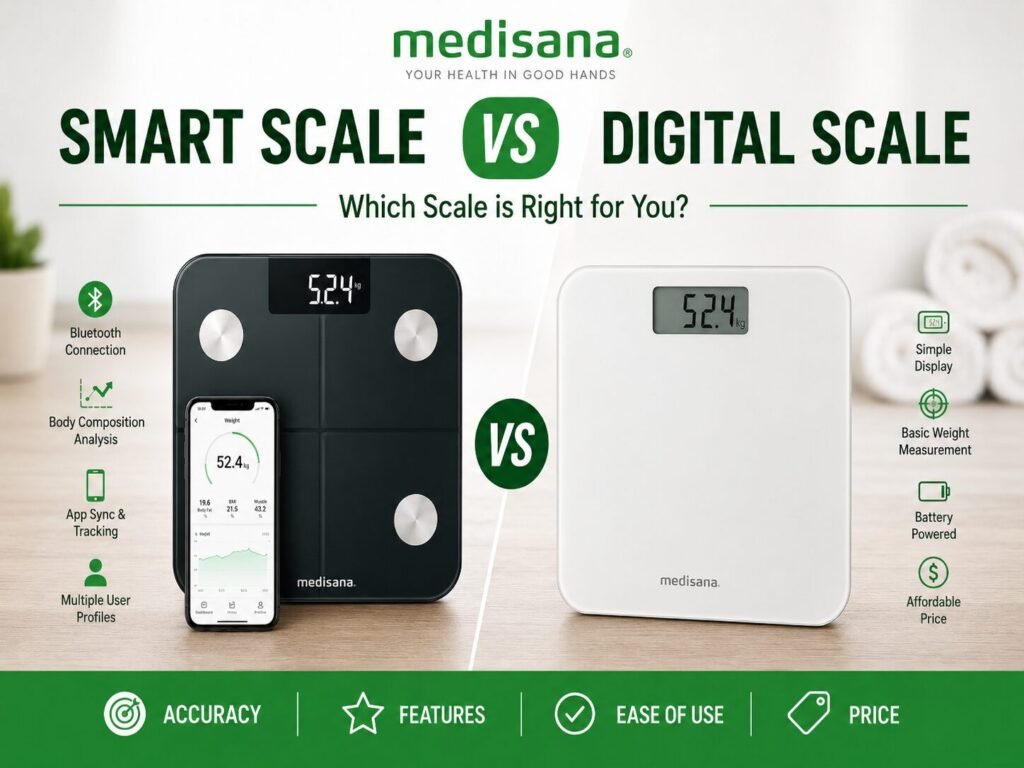
Compare blood pressure monitors, inhalation devices, weight scales, massage devices, and home health care products, then choose the most suitable option for your daily needs from WeCare Egypt.
Nebulizer not making mist? Troubleshoot compressor and mesh models by checking power, tubing, filter, cup assembly, batteries, mesh contact and cleaning—without changing the medication dose.
Learn what Perfusion Index (PI) means on a pulse oximeter, how it differs from SpO₂ and pulse rate, why PI changes, and how to use it as a signal-quality clue.
Understand LO, HI, ERR, E1, E2 and battery symbols on digital thermometers, what they may mean, and the correct troubleshooting order before requesting support.
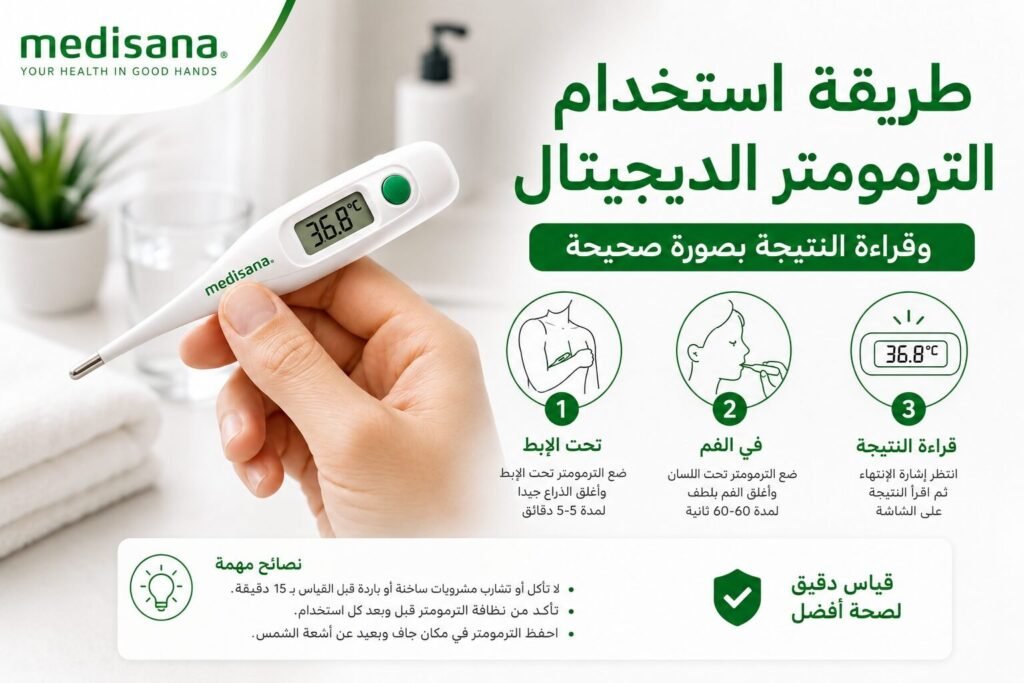
Learn how to use a digital contact thermometer correctly for armpit or oral measurement, read the result, clean the probe and handle LO, HI or ERR safely.
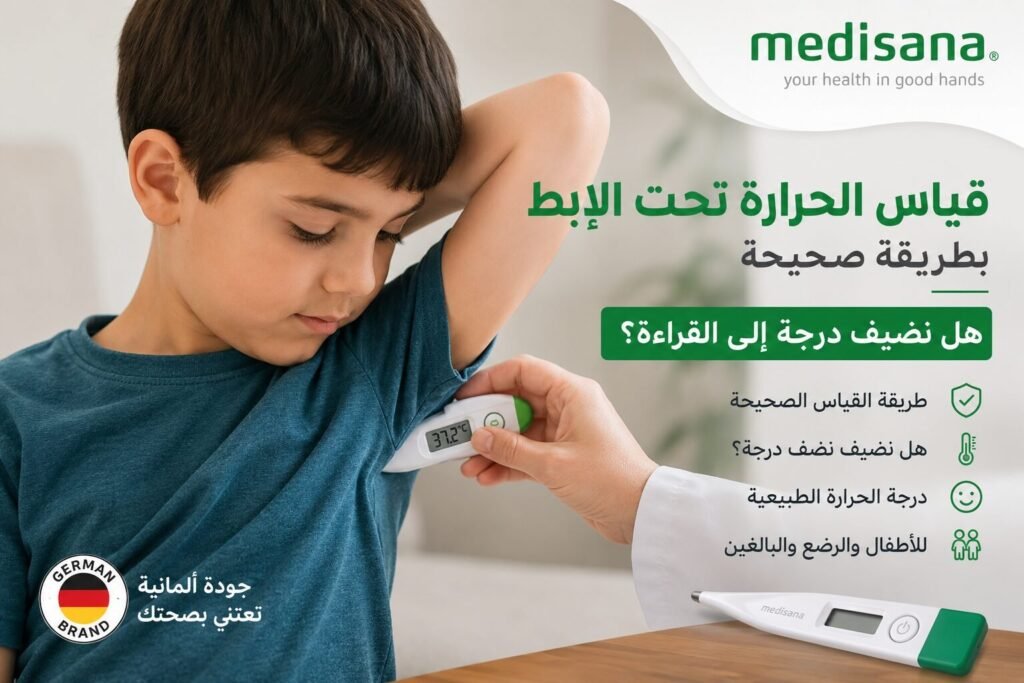
Learn how to measure temperature under the armpit correctly, where to place the thermometer, why you should not automatically add a degree, and when to confirm a reading.
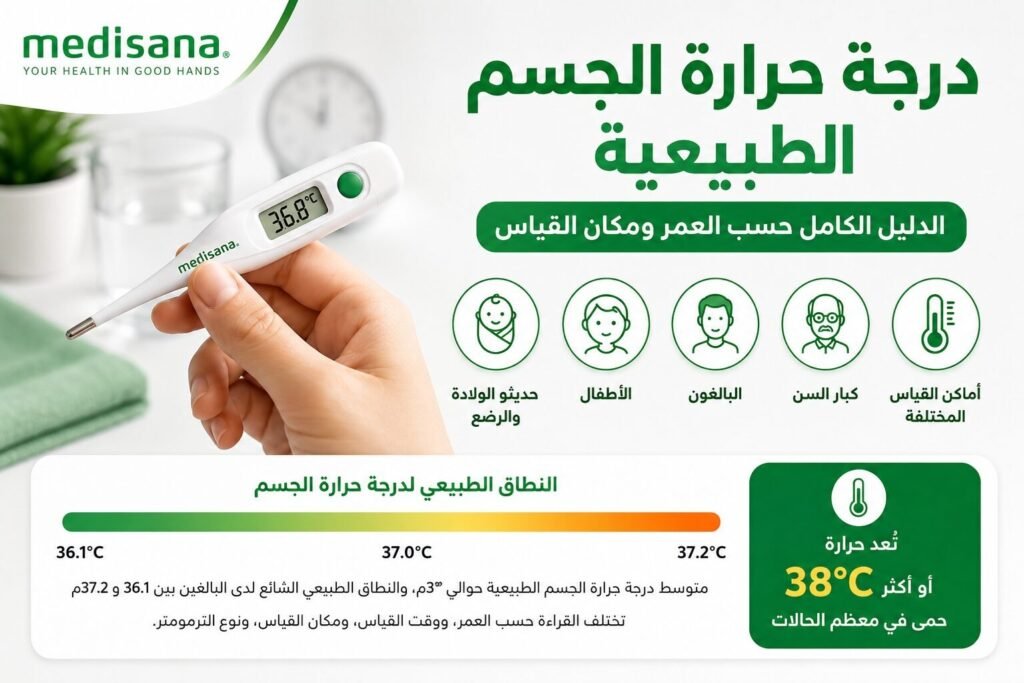
Understand normal body temperature by age, time of day and measurement site, including what 36°C, 37°C, 37.5°C and 38°C can mean and when symptoms matter more than the number.
Thermometer readings different at home? Check measurement site, timing, Body mode, probe contact, forehead distance, sweat, battery and repeat technique before blaming the device.
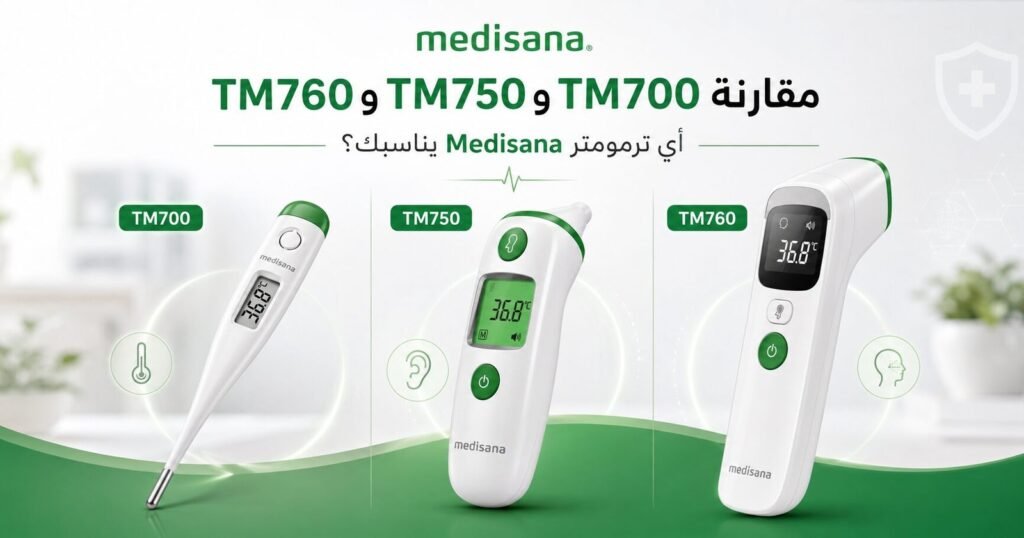
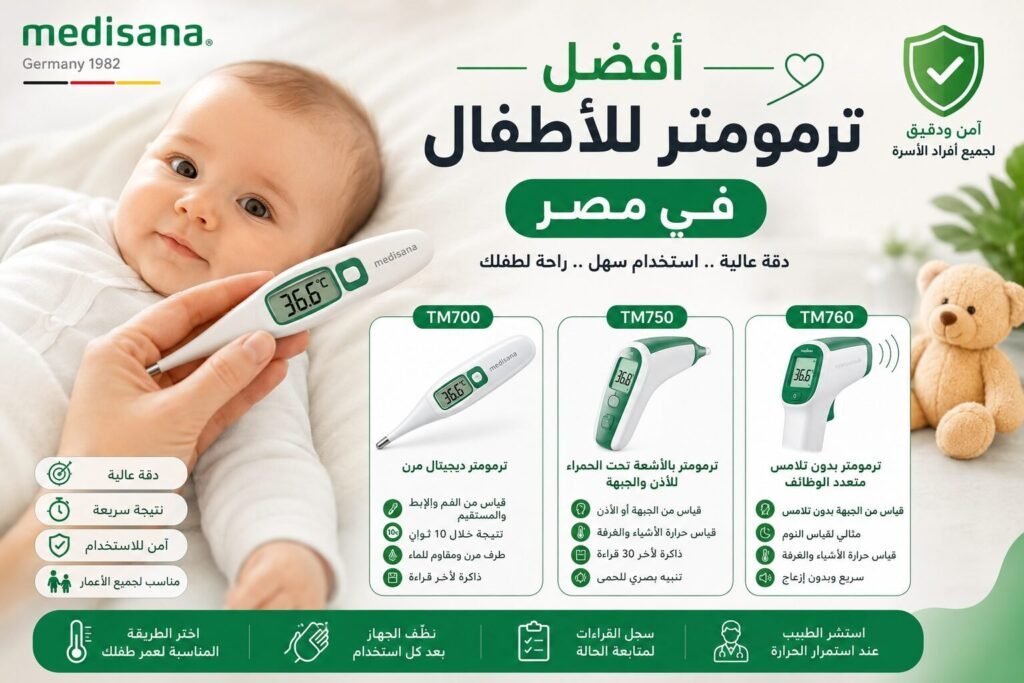
Compare Medisana TM 700, TM 750 Connect and TM 760 for children by age, measurement site, contact vs no-contact use, memory, Bluetooth and sleep-time convenience.
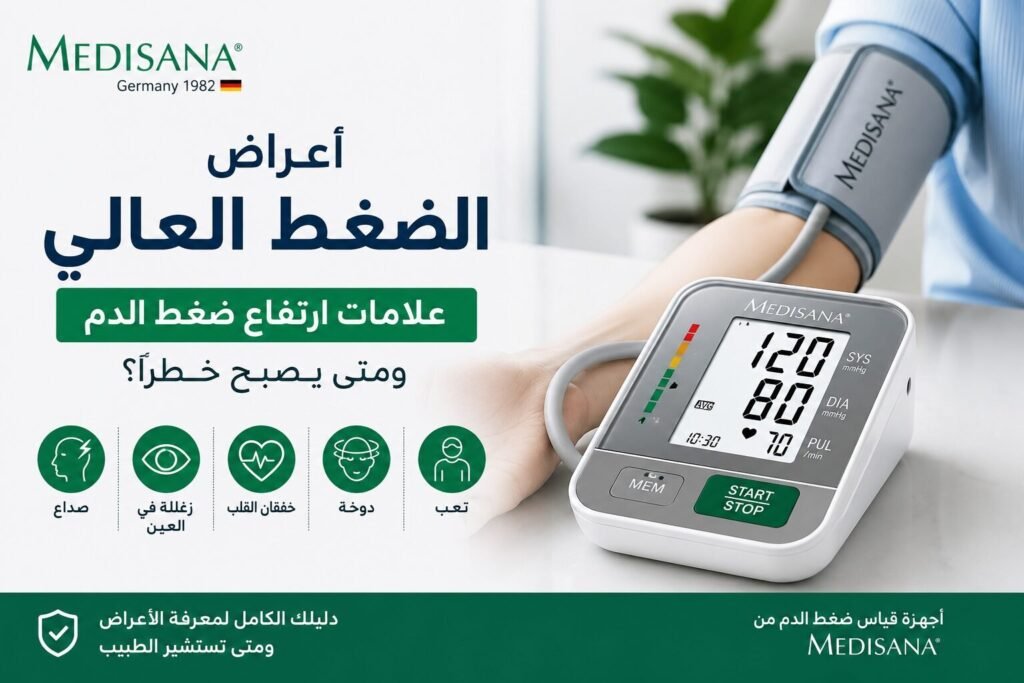
High blood pressure usually causes no symptoms. Learn what headache, dizziness or blurred vision can and cannot tell you, and when a reading above 180/120 with symptoms is an emergency.