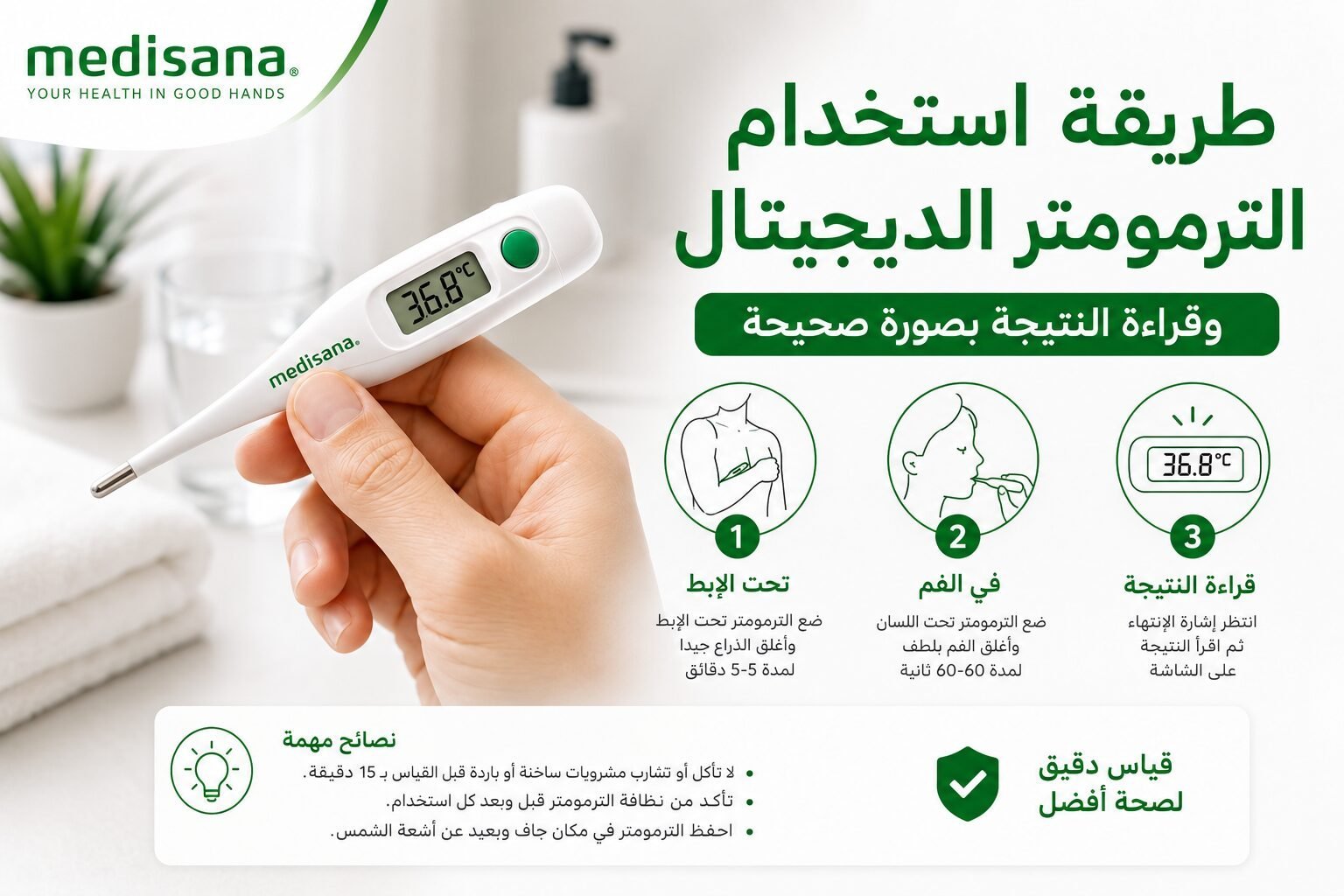
How to Use a Digital Thermometer and Read the Result Correctly
10
Jul
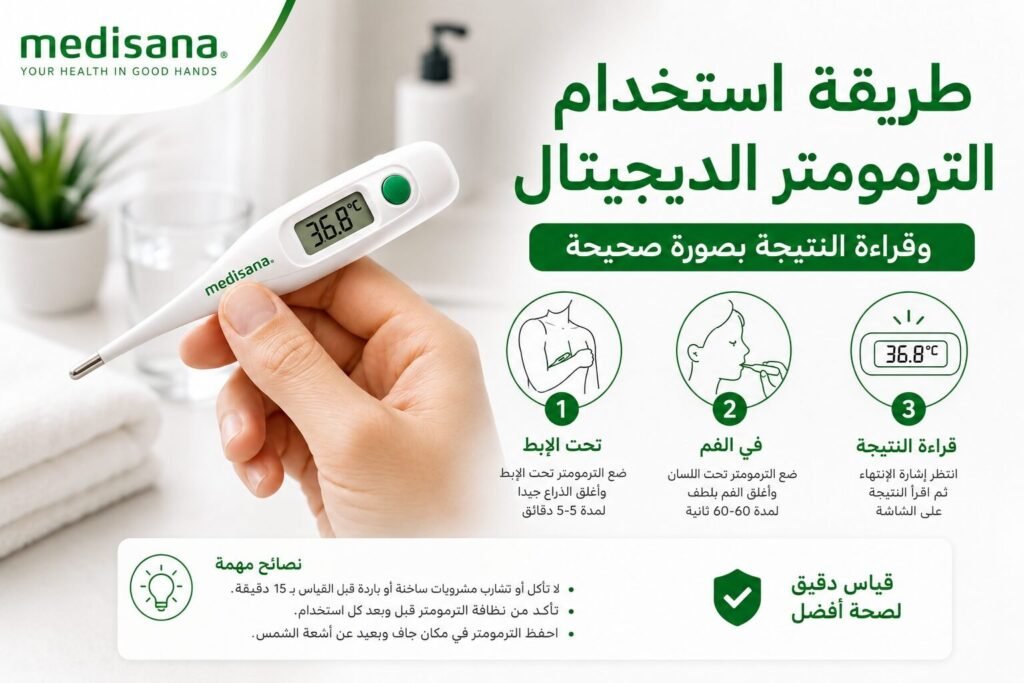
Direct answer: turn on the digital contact thermometer, place the probe at a body site allowed by the device manual, keep it in place until the measurement-complete signal, then read the number and record it together with the measurement site and time. Do not remove the thermometer early, do not automatically add a fixed degree to an armpit reading, and do not use forehead-thermometer technique with a contact-probe thermometer.
First, Make Sure This Is Your Type of Thermometer
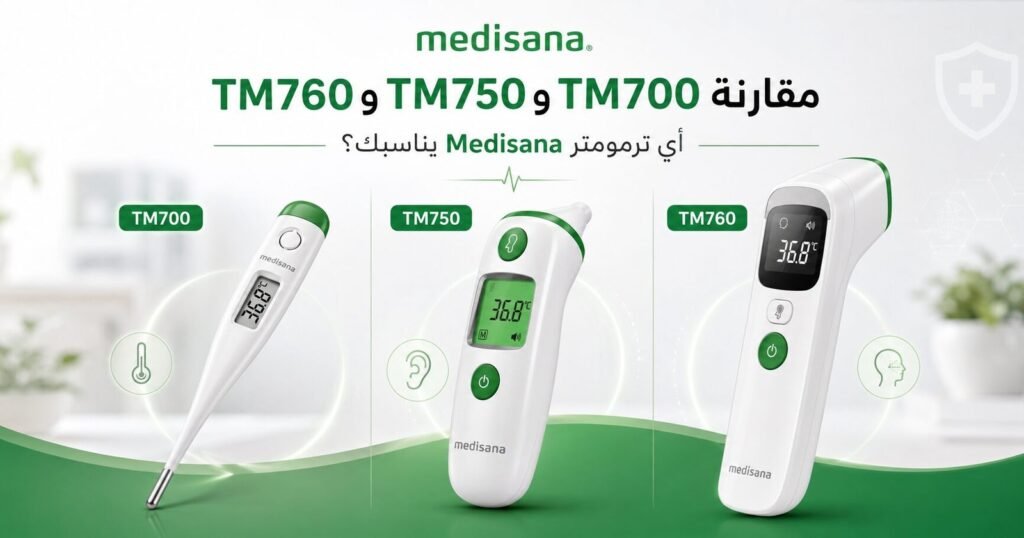
This guide is for a digital contact thermometer with a probe tip, not an ear thermometer, forehead thermometer or non-contact infrared thermometer. A contact model has a sensor tip that touches the body, a digital display and usually an audible signal when it is ready or when a measurement cycle is complete.
Check the exact model manual for approved measurement sites. Some contact thermometers support oral, axillary and rectal use, while cleaning instructions, water resistance and measurement time can vary by model.
Inspect the probe and casing. Do not use a damaged thermometer or one with a leaking battery.
Clean the probe using only the method permitted by the manufacturer, then allow it to dry.
Choose the measurement site before starting so you can record it with the result.
For oral measurement, wait after hot or cold drinks according to clinical guidance and the device manual.
For armpit measurement, dry the skin and move clothing completely away.
Turn on the thermometer and wait for its ready signal if the model provides one.
How to Take an Armpit Temperature
Place the sensor tip high in the center of the armpit directly against bare skin.
Lower the arm and close it against the body to hold the probe securely.
Keep the probe still and avoid gaps between the sensor and skin.
Wait for the model’s completion beep or signal.
Remove the thermometer and read the display.
If the reading seems lower than expected, do not automatically add 0.5°C or 1°C. First check that the armpit was dry, the probe was positioned correctly, the arm stayed closed and the full measurement cycle completed. See our detailed guide to measuring temperature under the armpit correctly.
How to Take an Oral Temperature
Place the probe under one side of the tongue toward the back.
Close the lips around the thermometer without biting the probe.
Breathe through the nose and keep the mouth closed.
Wait for the completion signal, then read the result.
Oral measurement requires the person to cooperate and keep the thermometer correctly positioned. The American Academy of Pediatrics notes that oral measurement is generally suitable when a child is old enough to hold the thermometer correctly in the mouth. Do not measure orally immediately after a hot or cold drink.
What About Rectal Measurement?
Rectal measurement can be useful in some situations, particularly in young infants, but it requires careful technique and a thermometer approved for that use. Follow the exact manufacturer and healthcare guidance, use an appropriate lubricant when instructed, insert only to the recommended depth and stop if you meet resistance.
Never leave a child alone with the thermometer. If you are unsure how to measure rectally, ask a healthcare professional rather than improvising.
What Does the Beep Mean?
The beep usually means the thermometer’s measurement algorithm has completed its cycle. It does not diagnose a fever. Some models add a color or sound alert above a preset threshold, but medical decisions should not be based on display color alone.
Record four things: the numerical result, the measurement site, the time and relevant symptoms. A value measured in the armpit should not automatically be treated as interchangeable with the same number measured in the ear or another site.
When Should You Repeat the Measurement?
The thermometer moved or was removed before the completion signal.
The skin was wet or the probe was not in direct contact with the correct site.
The result does not fit the person’s condition or symptoms.
The wrong measurement site or method was used.
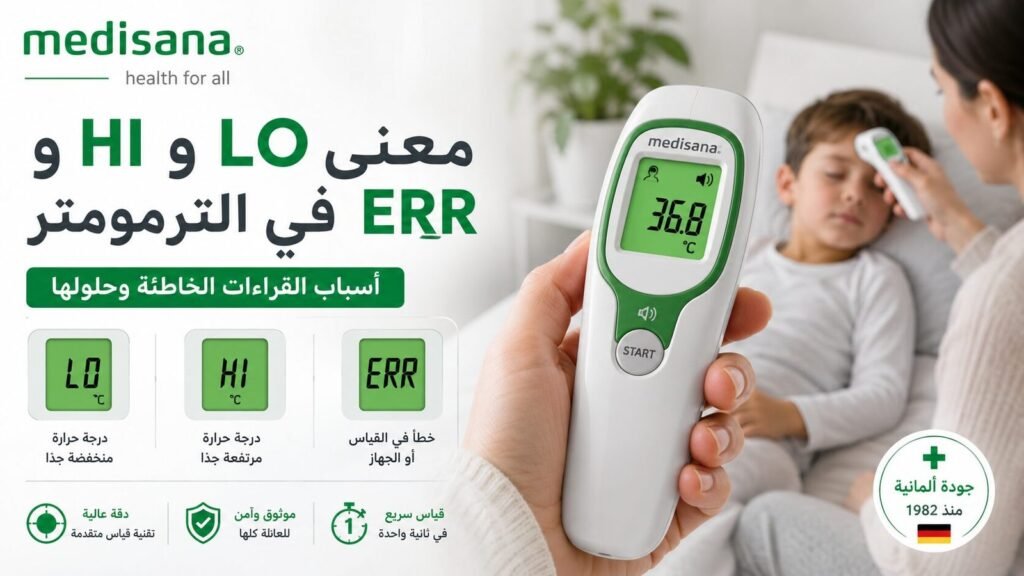
LO, HI, ERR or another error code appeared instead of a completed numerical result.
Repeat the measurement using the same method rather than changing both the device and measurement site at the same time. If an error code appears, use our thermometer error-code guide for LO, HI and ERR and then check the exact model manual.
How to Clean a Digital Thermometer Without Damaging It
Follow the manufacturer’s cleaning instructions. “Water-resistant” does not always mean the whole device can be immersed. Use only an approved wipe, disinfectant or cleaning method, keep liquid out of the battery compartment and dry the device before storage.
Do not use the same thermometer interchangeably for oral and rectal measurements. Keeping a dedicated thermometer for rectal use reduces hygiene risks and prevents confusion.
Small Mistakes That Can Change the Result
Mistake
Effect
Correction
Probe placed over clothing
Poor skin contact
Place the sensor directly against the approved body site
Mouth left open during oral measurement
Air can affect the reading
Close the lips and breathe through the nose
Removing the device too early
Measurement cycle is incomplete
Wait for the specified completion signal
Adding a fixed degree to convert the reading
Creates an unreliable comparison
Interpret the reading according to the site where it was measured
Using one thermometer for oral and rectal measurement
Hygiene and interpretation problem
Use a dedicated thermometer for rectal use
What Should You Do If LO, HI or ERR Appears?
Do not assume LO proves dangerously low body temperature or HI proves a medical emergency before confirming whether a complete measurement actually occurred. The code may relate to the thermometer’s range, probe placement, selected mode, battery or operating environment.
When Should You Stop Repeating the Temperature Check?
If the person has breathing difficulty, altered consciousness, a seizure, a concerning rash, neck stiffness or clear deterioration, do not let repeated temperature checks delay medical care. For a baby under 3 months, a temperature of 38°C or higher requires prompt medical assessment.
Frequently Asked Questions
How long should I leave a digital thermometer in place?
Use the completion signal and instructions for your exact model rather than assuming one fixed duration applies to every digital thermometer.
Should I add one degree to an armpit reading?
No fixed amount should be added automatically. Record it as an axillary reading and interpret it according to that measurement site.
Can I use the same digital thermometer orally and rectally?
It is better to keep a thermometer used rectally dedicated to that site, even after cleaning, to reduce contamination risk and avoid confusion.
Why does my thermometer show different numbers when I repeat the test?
Probe position, measurement site, timing, movement and technique can all change the result. Repeat under the same conditions before concluding that the thermometer is inaccurate.
What if my thermometer shows LO, HI or ERR?
Check the exact model manual. Error codes are not universal. Verify the measurement method, probe placement, battery and operating environment before repeating the test.
Explore Trusted Home Medical Devices and Medical Supplies
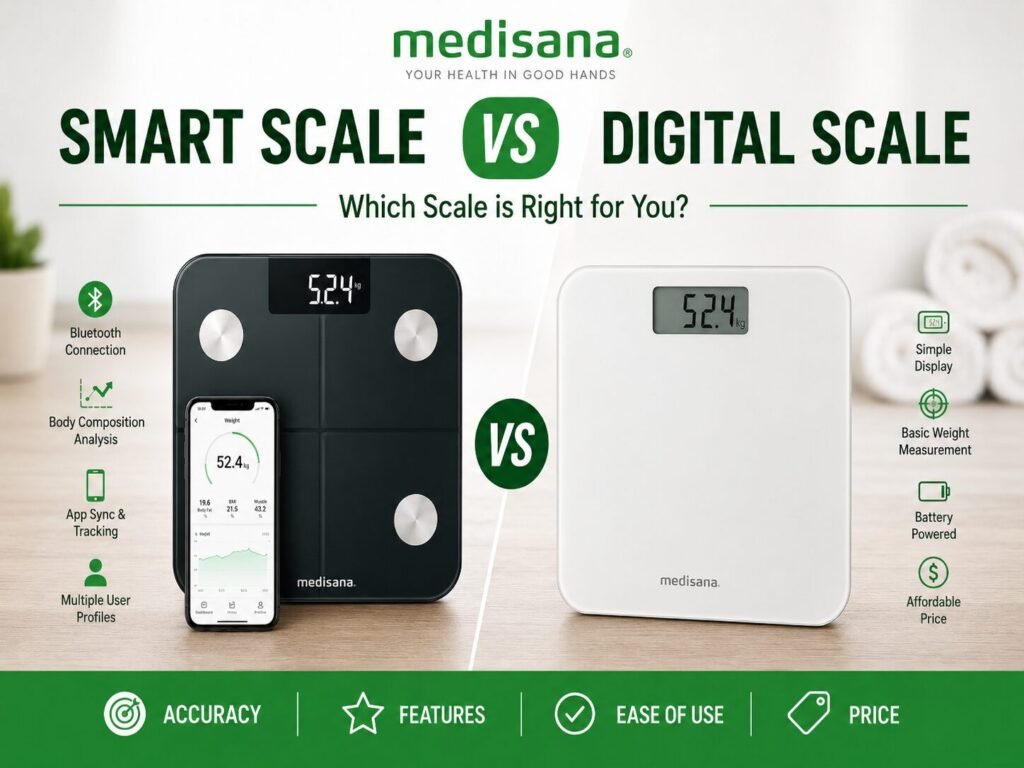
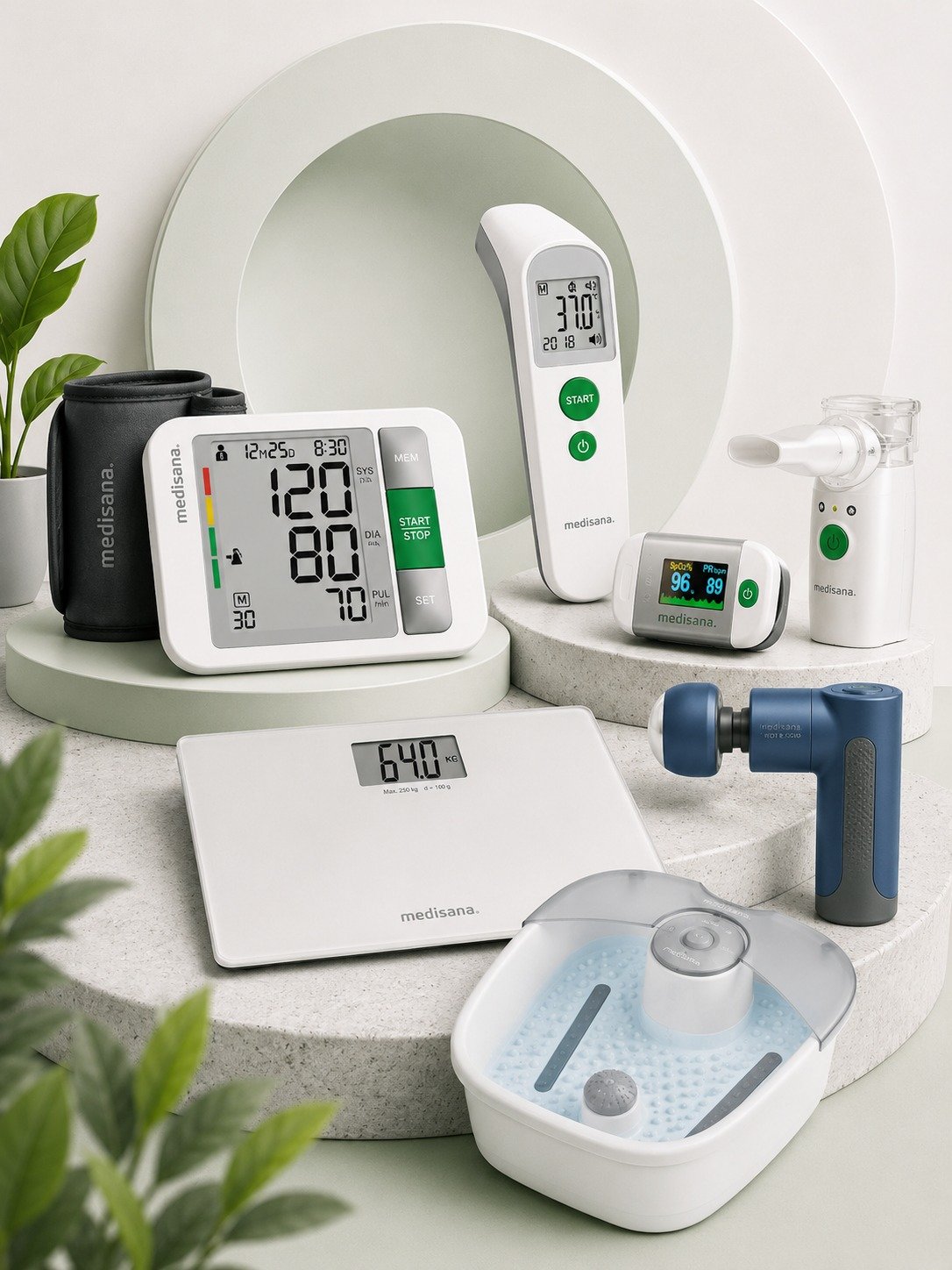
Compare blood pressure monitors, inhalation devices, weight scales, massage devices, and home health care products, then choose the most suitable option for your daily needs from WeCare Egypt.
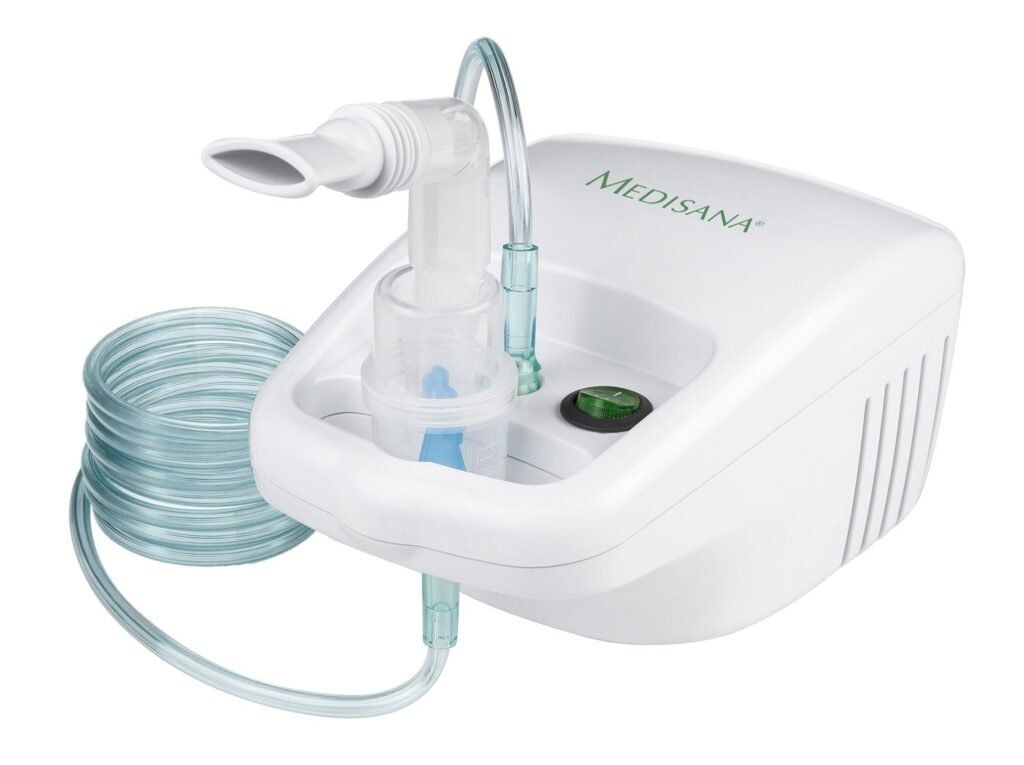
Nebulizer not making mist? Troubleshoot compressor and mesh models by checking power, tubing, filter, cup assembly, batteries, mesh contact and cleaning—without changing the medication dose.
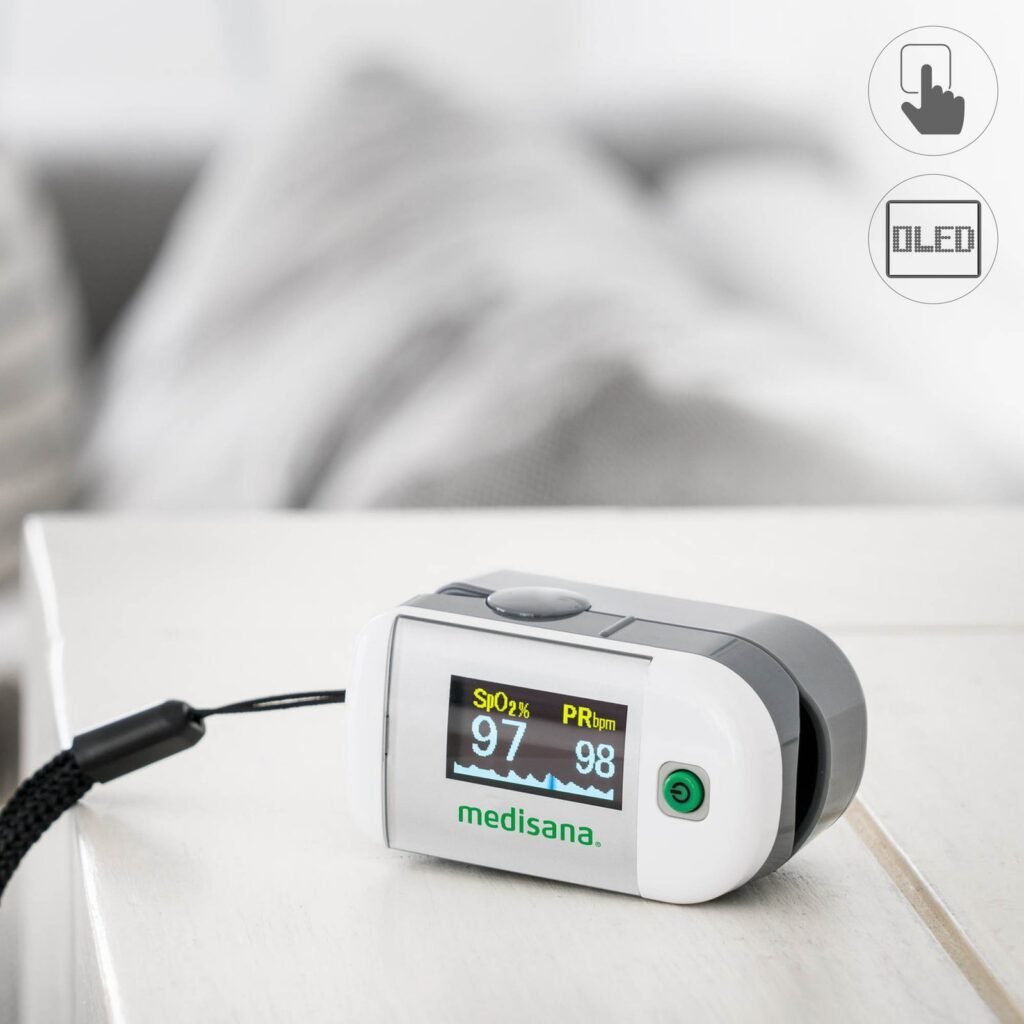
Learn what Perfusion Index (PI) means on a pulse oximeter, how it differs from SpO₂ and pulse rate, why PI changes, and how to use it as a signal-quality clue.
Understand LO, HI, ERR, E1, E2 and battery symbols on digital thermometers, what they may mean, and the correct troubleshooting order before requesting support.
Learn how to use a digital contact thermometer correctly for armpit or oral measurement, read the result, clean the probe and handle LO, HI or ERR safely.
Learn how to measure temperature under the armpit correctly, where to place the thermometer, why you should not automatically add a degree, and when to confirm a reading.
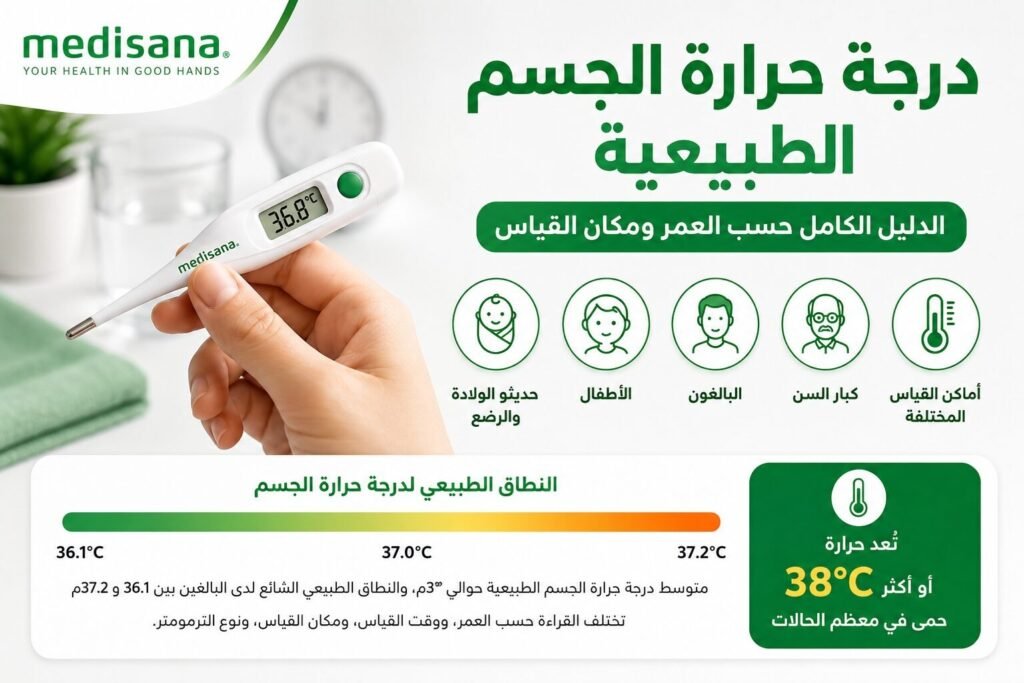
Understand normal body temperature by age, time of day and measurement site, including what 36°C, 37°C, 37.5°C and 38°C can mean and when symptoms matter more than the number.
Thermometer readings different at home? Check measurement site, timing, Body mode, probe contact, forehead distance, sweat, battery and repeat technique before blaming the device.
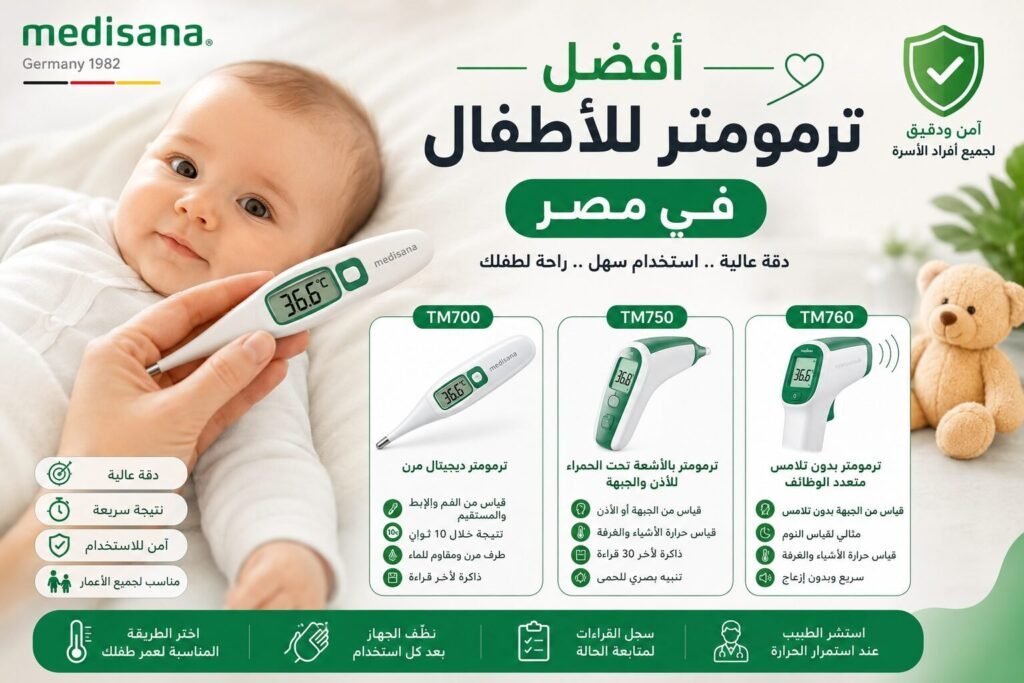
Compare Medisana TM 700, TM 750 Connect and TM 760 for children by age, measurement site, contact vs no-contact use, memory, Bluetooth and sleep-time convenience.
High blood pressure usually causes no symptoms. Learn what headache, dizziness or blurred vision can and cannot tell you, and when a reading above 180/120 with symptoms is an emergency.