Blood Pressure Monitor for Children: Cuff Size, Validation & Safe Home Use
Quick answer: choosing a blood pressure monitor for children is not the same as choosing an adult home monitor. The most important checks are an appropriately sized pediatric blood pressure cuff, a device validated for pediatric use, correct measurement technique, and interpretation by a clinician using pediatric reference ranges. A home reading should not be used on its own to diagnose hypertension in a child.
What matters most when measuring blood pressure in children?
Accurate measuring blood pressure in children depends heavily on cuff fit, positioning, rest before measurement and whether the device has been validated for the child’s age and size. Adult thresholds should not simply be copied to children because pediatric interpretation can depend on age, sex and height.
The American Heart Association advises using a correctly fitting cuff and validated equipment, and its pediatric guidance emphasizes clinician-led interpretation rather than relying on one isolated home reading.
1. Start with the correct pediatric cuff size
A cuff that is too small can produce a falsely high reading, while an oversized cuff may also affect measurement quality. The cuff should fit the child’s upper arm according to the device manufacturer’s sizing instructions.
Measure the mid-upper-arm circumference before choosing a cuff.
Do not force an adult cuff onto a small arm just because it closes.
Check that the monitor supports the required pediatric cuff size.
If the child has a very small or unusually large arm, ask the clinician which cuff range is appropriate.
2. Check whether the monitor is validated for children
A pediatric blood pressure monitor should not be assumed suitable simply because it is accurate for adults. The American Heart Association recommends checking that the device has been validated for the person being measured. Pediatric use may require separate validation.
Before buying, check the manufacturer documentation for the age group, cuff range and intended user population. If pediatric suitability is not clearly stated, ask the child’s clinician or pharmacist before relying on the device for ongoing monitoring.
3. Use the correct measurement position
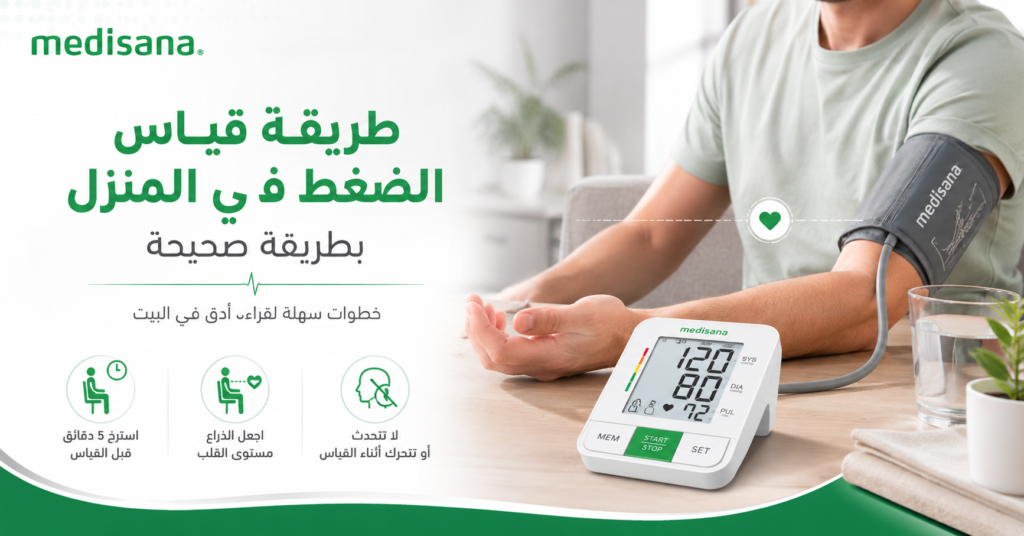
For a reliable child blood pressure measurement, the child should be calm and seated before the reading. The arm should be supported, the cuff placed on bare skin and the measurement performed without talking or moving.
Let the child sit quietly for several minutes before measurement.
Support the back and keep the arm relaxed.
Place the cuff on bare skin, not over clothing.
Support the arm around heart level.
Keep the child still and avoid talking during the reading.
If the clinician has asked for repeated readings, follow the schedule they provided.
4. Do not diagnose a child from one home reading
One reading is a snapshot. Blood pressure can vary with anxiety, activity, pain, caffeine exposure in older children, illness and measurement technique. A diagnosis of pediatric hypertension requires clinical assessment and repeated measurements under the appropriate protocol.
If readings are repeatedly outside the range discussed with the child’s clinician, record the values, time and relevant symptoms and share them with the healthcare professional.
Upper-arm or wrist monitor for a child?
For routine home blood-pressure monitoring, upper-arm cuff devices are generally preferred when an appropriate cuff is available and the device is validated for the intended user. Wrist devices are more sensitive to positioning and should not be chosen merely because the arm is small.
For a child, the priority is not convenience alone: cuff fit, validation and clinician guidance come first.
Buying checklist for a blood pressure monitor for children
Pediatric validation: confirm that the device is validated or approved for the intended age group.
Cuff compatibility: verify the child’s arm circumference and the supported cuff range.
Upper-arm design: prefer a validated upper-arm option when appropriate.
Clear display: useful for recording readings accurately.
Memory: helpful if the clinician wants a measurement log.
Manufacturer instructions: confirm setup, positioning and maintenance requirements.
Professional review: take the monitor to an appointment if the clinician wants to compare it with office equipment.
Can Medisana blood pressure monitors be used for children?
Do not assume that an adult Medisana model is suitable for pediatric use only because a smaller cuff can be attached. Pediatric suitability depends on the specific model, its validated user population and the compatible cuff range. Check the product manual and confirm with the child’s clinician before using any model for pediatric monitoring.
You can browse the general blood pressure monitor range to review available models, but pediatric suitability must be confirmed separately for the specific child.
When should you contact a healthcare professional?
Contact the child’s clinician when home readings are repeatedly outside the range they have given you, when the device appears inconsistent, or when you are unsure about cuff fit or technique. Seek urgent local medical care when a child has serious symptoms such as severe breathing difficulty, fainting, new neurological symptoms or another rapidly worsening condition, regardless of the home monitor reading.
Frequently asked questions
Can I use an adult blood pressure monitor for a child?
Only if the specific device and cuff are appropriate and validated for the child. Adult suitability does not automatically mean pediatric suitability.
Does cuff size really change the reading?
Yes. Incorrect cuff size can distort the measurement. Measure the arm and use the cuff range specified by the manufacturer or clinician.
How many readings should I take?
Follow the child’s clinician’s instructions. Do not create your own diagnostic schedule from an internet article because pediatric interpretation depends on the clinical context.
What is a normal blood pressure for a child?
There is no single adult-style cutoff that applies to every child. Pediatric interpretation can depend on age, sex and height, and should be performed using appropriate pediatric reference standards.
This article is educational and does not diagnose hypertension or replace pediatric medical assessment.
Shop from WeCare Egypt
Explore Trusted Home Medical Devices and Medical Supplies
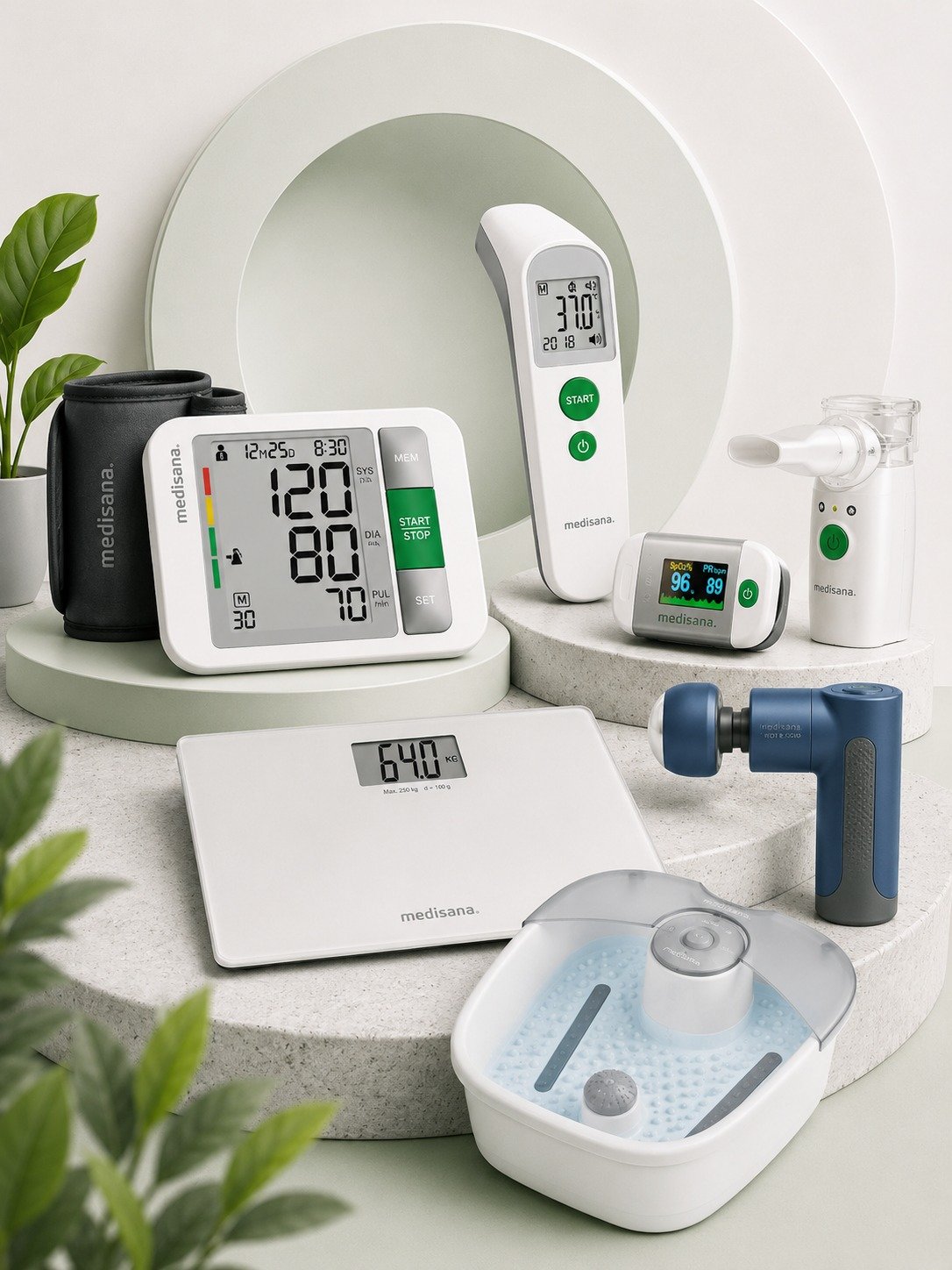
Compare blood pressure monitors, inhalation devices, weight scales, massage devices, and home health care products, then choose the most suitable option for your daily needs from WeCare Egypt.
A practical online buying checklist for home health products covering exact model verification, seller reliability, power and consumables, warranty, delivery, red flags and inspection after arrival.
A practical home health essentials list organized by household needs, showing which monitoring and comfort products are broadly useful, condition-specific or optional.
A practical, evidence-led guide to choosing a home blood pressure monitor by validation, cuff fit, measurement position, display, memory, user needs and local support.