Low Blood Pressure Symptoms: Signs, Causes, and When to Seek Help
16
May
Low Blood Pressure Symptoms are commonly searched by people who feel dizziness, blurred vision, sudden weakness, lightheadedness, or near-fainting and want to know whether these signs may be related to low blood pressure. Low blood pressure, also called hypotension, may be harmless for some people, but it can become concerning when symptoms are clear, sudden, repeated, or linked with serious warning signs.
Low blood pressure usually means that blood pressure is lower than expected. A reading below 90/60 mmHg is often considered low. However, the number alone is not enough to judge the situation. Some people naturally have low readings without symptoms, while others may need attention if a sudden blood pressure drop causes dizziness, fainting, confusion, or weakness.
Important notice: This article is for health awareness only. It does not replace medical diagnosis or treatment. If low blood pressure symptoms are severe, repeated, or accompanied by chest pain, shortness of breath, fainting, confusion, severe weakness, bleeding, or signs of shock, seek medical help immediately.
What Is Low Blood Pressure?
Low blood pressure is a decrease in the force of blood flow inside the arteries. For some people, it may not cause any problem. For others, it may reduce blood and oxygen flow to important organs such as the brain and heart, especially when the drop is sudden or severe.
A blood pressure reading includes two numbers:
Systolic pressure: the upper number, which reflects pressure when the heart pumps blood.
Diastolic pressure: the lower number, which reflects pressure when the heart rests between beats.
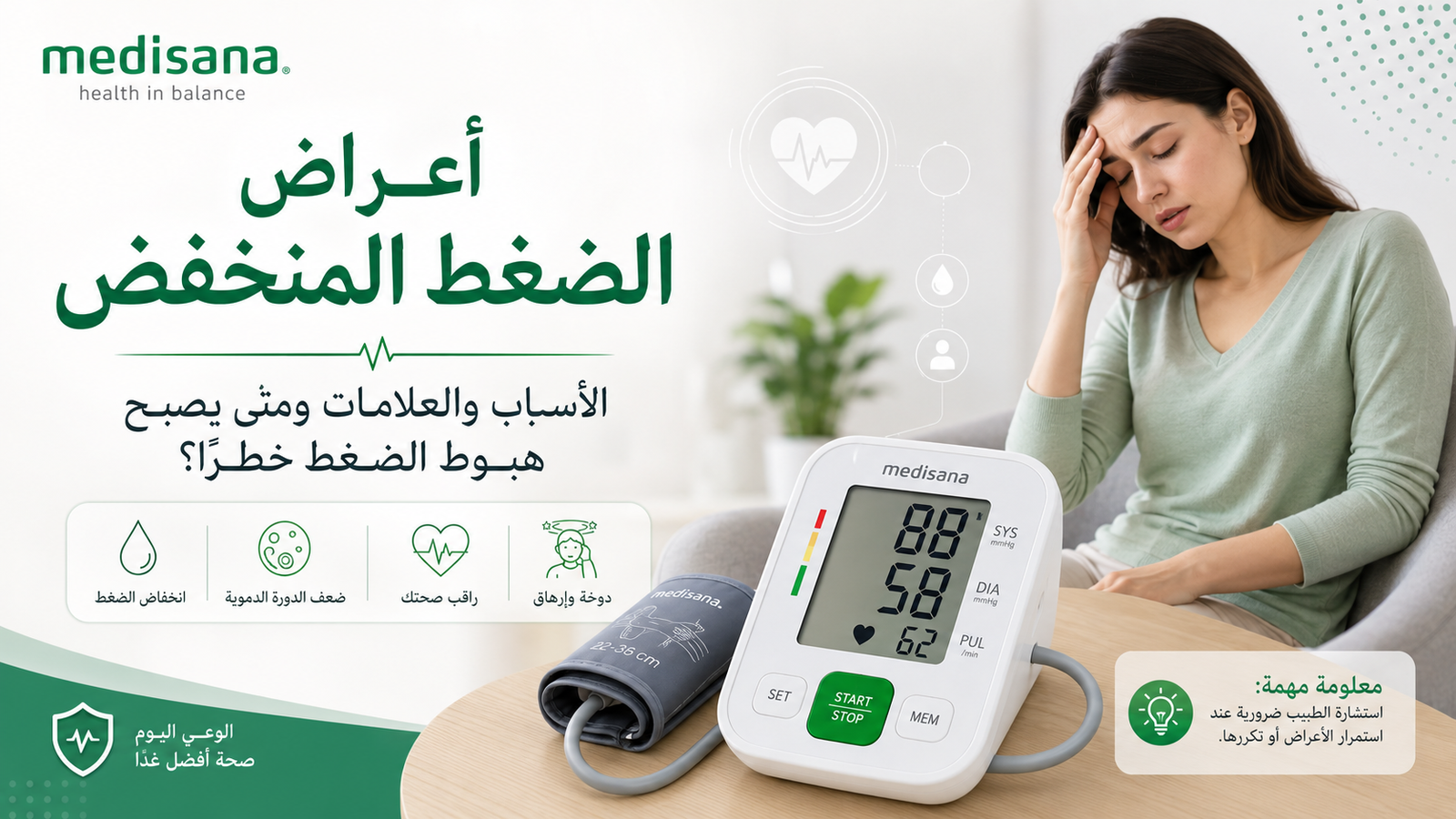
For example, a reading such as 88/58 mmHg may be considered low, especially if it comes with dizziness, fatigue, blurred vision, or a feeling of near-fainting.
Is Every Low Blood Pressure Reading Dangerous?
Not always. A low blood pressure reading may not cause symptoms or clear problems, especially in some healthy people. However, low blood pressure becomes more important when symptoms appear or when the drop happens suddenly.
Low blood pressure may need medical attention when:
Symptoms are uncomfortable or repeated.
The blood pressure drop happens suddenly.
Dizziness or fainting occurs repeatedly.
It comes with chest pain or shortness of breath.
It appears with severe dehydration, bleeding, or serious infection.
It causes confusion, poor concentration, or reduced awareness.
Low Blood Pressure Symptoms
Low Blood Pressure Symptoms can vary from mild dizziness to more serious signs such as fainting or confusion. The symptoms usually appear when blood flow to the brain or vital organs becomes temporarily reduced.
1. Dizziness and Lightheadedness
Dizziness is one of the most common Low Blood Pressure Symptoms. A person may feel unsteady, lightheaded, or as if the head is floating, especially after standing up quickly from sitting or lying down.
2. Blurred Vision
Blurred or cloudy vision can happen during a blood pressure drop, especially when the decrease occurs after changing body position. This may last for a short time and improve after sitting or lying down.
3. Feeling Faint or Losing Consciousness
If blood pressure drops enough to affect blood flow to the brain, the person may feel close to fainting. In some cases, actual fainting may occur.
4. Fatigue and General Weakness
Low blood pressure may appear as unusual tiredness, low energy, weakness, or difficulty staying active, especially when the drop is repeated or linked with dehydration.
5. Nausea
Some people may feel nausea with low blood pressure, especially when dizziness or balance problems are also present.
6. Cold Extremities or Pale Skin
In some cases, the skin may become cold, clammy, or pale, especially if the blood pressure drop is severe and affects circulation.
7. Heart Palpitations
A person may feel fast or strong heartbeats because the body may try to compensate for low blood pressure and improve blood flow.
8. Shortness of Breath or Fast Breathing
If a blood pressure drop is severe, it may come with fast breathing or shortness of breath. This should be taken seriously, especially when it appears with other warning signs.
9. Poor Concentration or Confusion
In more serious cases, reduced blood flow to the brain may cause poor concentration, slow response, confusion, or reduced awareness.
Low Blood Pressure Symptoms Table
Symptom
How It May Appear
Dizziness
Lightheadedness or loss of balance
Blurred vision
Temporary cloudiness or unclear vision
Weakness
Unusual fatigue or low energy
Nausea
Stomach discomfort or feeling sick
Fainting
Loss of consciousness or feeling close to fainting
Cold skin
Cold, pale, or clammy skin
Palpitations
Fast or irregular heartbeat feeling
Shortness of breath
Fast breathing or difficulty breathing
Poor concentration
Confusion or slow response
Symptoms of Low Blood Pressure When Standing
Some people experience low blood pressure symptoms when standing, often called orthostatic hypotension. It happens when blood pressure drops after moving from lying down or sitting to standing.
Common symptoms include:
Sudden dizziness.
Blurred vision.
Weakness in the legs.
Temporary loss of balance.
A feeling of near-fainting.
This type of blood pressure drop may be more common in older adults, people who are dehydrated, or people taking certain medications. Repeated symptoms should be discussed with a doctor.
Causes of Low Blood Pressure
Understanding the causes of low blood pressure can help you know when the situation may be temporary and when medical evaluation may be needed.
1. Dehydration and Low Fluid Intake
Dehydration is one of the most common causes of low blood pressure. It may happen because of:
Not drinking enough water.
Vomiting.
Diarrhea.
Heavy sweating.
Long exposure to heat.
2. Blood Loss
Bleeding or losing a large amount of blood can reduce blood volume in circulation and may cause a clear blood pressure drop.
3. Certain Medications
Low blood pressure may happen as a side effect of some medications, especially blood pressure medicines, diuretics, and drugs that affect blood vessels or heart rate.
4. Heart Problems
Some heart conditions may be linked with low blood pressure, such as poor heart pumping ability or rhythm problems, especially when the drop is accompanied by shortness of breath or severe fatigue.
5. Severe Infection or Serious Allergic Reaction
In serious cases, severe infection or anaphylaxis may cause a dangerous blood pressure drop. This can be an emergency and needs urgent medical care.
6. Sudden Standing
Blood pressure may drop when body position changes quickly, especially in older adults, people with dehydration, or people with certain chronic conditions.
7. Pregnancy
Blood pressure may decrease during pregnancy in some women because of circulation changes. Medical follow-up may be needed if dizziness is repeated or fainting occurs.
Low Blood Pressure vs. Blood Pressure Drop
The terms are sometimes used in a similar way, but there is a small difference in meaning:
Low blood pressure: may refer to repeated low readings or a generally low blood pressure pattern.
Blood pressure drop: often describes a sudden decrease that comes with symptoms such as dizziness, weakness, or fainting.
The most important factor is not the term itself, but the severity of symptoms, the cause of the drop, and how often it happens.
When Is Low Blood Pressure Dangerous?
Low blood pressure may become dangerous when it appears with one or more warning signs. These symptoms may indicate reduced blood flow to vital organs or a serious underlying cause.
Fainting or near-fainting.
Chest pain.
Clear shortness of breath.
Confusion or reduced awareness.
Cold, clammy skin.
Fast and weak pulse.
Sudden severe weakness.
Suspected bleeding or severe dehydration.
In these situations, symptoms should not be ignored and home monitoring alone is not enough.
Can Low Blood Pressure Cause Death?
Mild low blood pressure does not usually mean immediate danger for everyone. However, a severe and sudden blood pressure drop may become dangerous if it reduces blood flow to vital organs or leads to shock.
Seek urgent medical help if low blood pressure is linked with fainting, severe weakness, chest pain, shortness of breath, confusion, severe dehydration, bleeding, or signs of shock.
What Should You Do During a Sudden Blood Pressure Drop?
If you feel sudden dizziness, weakness, or near-fainting and suspect a blood pressure drop, start with simple safety steps:
Sit or lie down immediately.
Avoid standing up quickly.
Breathe calmly.
Monitor symptoms.
Ask for help if symptoms are severe or unusual.
If chest pain, shortness of breath, fainting, severe confusion, or signs of bleeding appear, treat the situation as urgent and seek medical help.
What to Eat When Blood Pressure Is Low?
What you should eat or drink when blood pressure is low depends on the cause. If low blood pressure is linked with dehydration or not drinking enough fluids, regular water intake may help. Eating balanced meals and avoiding long periods without food may also help some people.
General tips include:
Drink a suitable amount of water.
Avoid skipping meals.
Eat balanced meals.
Do not increase salt randomly without medical guidance, especially if you have heart disease, kidney disease, or a history of high blood pressure.
Is Low Blood Pressure Always Treated With Medication?
No. Managing low blood pressure depends on the cause and symptom severity. Some cases may improve with lifestyle changes or by correcting a temporary cause such as dehydration, while other cases require medical evaluation to identify the reason and set the right plan.
Never start or stop medication based only on a home reading without medical advice.
Common Causes of Repeated Low Blood Pressure
Repeated low blood pressure may happen because of:
Low fluid intake.
Certain medications.
Sudden standing.
Heart problems.
Circulation problems.
Reduced blood volume.
Some chronic conditions.
If symptoms are repeated, it is better to identify the cause instead of trying to raise blood pressure randomly.
Low Blood Pressure vs. Normal Blood Pressure
Comparison
Normal Blood Pressure
Low Blood Pressure
Reading
Varies depending on the person and situation
Often below 90/60 mmHg
Symptoms
Usually none
May include dizziness, fatigue, or fainting
Risk
Depends on the case
Higher risk when symptoms appear or the drop is sudden
Follow-up
Depends on health status
Important if low readings are repeated or symptomatic
Is Low Blood Pressure More Dangerous Than High Blood Pressure?
It is not possible to say that one is always more dangerous than the other. High blood pressure may harm the body over time even without obvious symptoms. Low blood pressure becomes more dangerous when it causes severe symptoms or a sudden drop that affects blood flow.
Each condition has its own causes, risks, and follow-up needs.
How to Measure Blood Pressure Correctly
To get a reading closer to your real condition, follow these steps:
Sit quietly before measuring.
Support your back and arm.
Place the cuff correctly.
Do not talk during measurement.
Compare readings under similar conditions.
These steps reduce the chance of getting a misleading reading or misinterpreting the result. For repeated low blood pressure symptoms, keep a record of readings and share it with your doctor.
Frequently Asked Questions About Low Blood Pressure Symptoms
What are Low Blood Pressure Symptoms?
Low Blood Pressure Symptoms may include dizziness, blurred vision, fatigue, nausea, poor concentration, cold extremities, palpitations, and fainting in some cases.
What are the symptoms of low blood pressure when standing?
They may include sudden dizziness, blurred vision, weakness, loss of balance, near-fainting, and sometimes fainting.
Is 90/60 considered low blood pressure?
A reading around 90/60 mmHg is often considered low, but the most important factor is whether symptoms are present.
Can low blood pressure cause dizziness?
Yes. Dizziness is one of the most common symptoms, especially when standing or in cases of dehydration.
Can a blood pressure drop cause fainting?
Yes. If blood pressure drops enough to reduce blood flow to the brain, fainting may happen.
What should I eat or drink when blood pressure is low?
Water and balanced meals may help if the cause is dehydration or not eating enough. Do not increase salt without medical guidance, especially if you have heart, kidney, or high blood pressure history.
When does low blood pressure become dangerous?
It becomes dangerous when it comes with fainting, chest pain, shortness of breath, confusion, cold clammy skin, or sudden severe weakness.
Can low blood pressure cause death?
Mild low blood pressure usually does not mean immediate danger, but a severe and sudden drop can be dangerous if it causes shock or reduces blood flow to vital organs.
Conclusion
Low Blood Pressure Symptoms may start with mild dizziness or sudden fatigue, but they can sometimes signal a condition that needs more attention, especially if symptoms repeat or appear suddenly. A blood pressure drop becomes more concerning when it comes with fainting, shortness of breath, chest pain, confusion, or signs of poor circulation.
Understanding the causes of low blood pressure, recognizing hypotension symptoms, and knowing when low blood pressure becomes dangerous can help you respond with better awareness and avoid unsafe self-treatment.
For better home monitoring, you may also review related guides from WeCare Egypt:
{
“@context”: “https://schema.org”,
“@graph”: [
{
“@type”: “Article”,
“@id”: “https://wecare-eg.net/en/low-blood-pressure-symptoms/#article”,
“headline”: “Low Blood Pressure Symptoms: Signs, Causes, and When to Seek Help”,
“description”: “Learn the most common Low Blood Pressure Symptoms, causes, warning signs, what to do during a sudden drop, and when low blood pressure needs medical help.”,
“inLanguage”: “en”,
“author”: {
“@type”: “Organization”,
“name”: “WeCare Egypt”,
“url”: “https://wecare-eg.net/”
},
“publisher”: {
“@type”: “Organization”,
“name”: “WeCare Egypt”,
“url”: “https://wecare-eg.net/”
},
“mainEntityOfPage”: {
“@type”: “WebPage”,
“@id”: “https://wecare-eg.net/en/low-blood-pressure-symptoms/”
}
},
{
“@type”: “FAQPage”,
“@id”: “https://wecare-eg.net/en/low-blood-pressure-symptoms/#faq”,
“inLanguage”: “en”,
“mainEntity”: [
{
“@type”: “Question”,
“name”: “What are Low Blood Pressure Symptoms?”,
“acceptedAnswer”: {
“@type”: “Answer”,
“text”: “Low Blood Pressure Symptoms may include dizziness, blurred vision, fatigue, nausea, poor concentration, cold extremities, palpitations, and fainting in some cases.”
}
},
{
“@type”: “Question”,
“name”: “What are the symptoms of low blood pressure when standing?”,
“acceptedAnswer”: {
“@type”: “Answer”,
“text”: “They may include sudden dizziness, blurred vision, weakness, loss of balance, near-fainting, and sometimes fainting.”
}
},
{
“@type”: “Question”,
“name”: “Is 90/60 considered low blood pressure?”,
“acceptedAnswer”: {
“@type”: “Answer”,
“text”: “A reading around 90/60 mmHg is often considered low, but the most important factor is whether symptoms are present.”
}
},
{
“@type”: “Question”,
“name”: “Can low blood pressure cause dizziness?”,
“acceptedAnswer”: {
“@type”: “Answer”,
“text”: “Yes. Dizziness is one of the most common symptoms, especially when standing or in cases of dehydration.”
}
},
{
“@type”: “Question”,
“name”: “Can a blood pressure drop cause fainting?”,
“acceptedAnswer”: {
“@type”: “Answer”,
“text”: “Yes. If blood pressure drops enough to reduce blood flow to the brain, fainting may happen.”
}
},
{
“@type”: “Question”,
“name”: “What should I eat or drink when blood pressure is low?”,
“acceptedAnswer”: {
“@type”: “Answer”,
“text”: “Water and balanced meals may help if the cause is dehydration or not eating enough. Do not increase salt without medical guidance, especially if you have heart, kidney, or high blood pressure history.”
}
},
{
“@type”: “Question”,
“name”: “When does low blood pressure become dangerous?”,
“acceptedAnswer”: {
“@type”: “Answer”,
“text”: “It becomes dangerous when it comes with fainting, chest pain, shortness of breath, confusion, cold clammy skin, or sudden severe weakness.”
}
},
{
“@type”: “Question”,
“name”: “Can low blood pressure cause death?”,
“acceptedAnswer”: {
“@type”: “Answer”,
“text”: “Mild low blood pressure usually does not mean immediate danger, but a severe and sudden drop can be dangerous if it causes shock or reduces blood flow to vital organs.”
}
}
]
}
]
}
If you need to compare devices for home monitoring, browse blood pressure monitors. The article remains informational and does not diagnose the cause of low readings.
Medical source and safety note
The American Heart Association notes that low blood pressure is not always harmful by itself, but symptoms such as dizziness, fainting, nausea, blurred vision or confusion can make a low reading clinically important. Causes can include dehydration, medications and underlying medical conditions.
This article is educational and does not diagnose the cause of hypotension. Recurrent symptoms, fainting or a sudden symptomatic drop in blood pressure should be discussed with a qualified healthcare professional.
Shop from WeCare Egypt
Explore Trusted Home Medical Devices and Medical Supplies
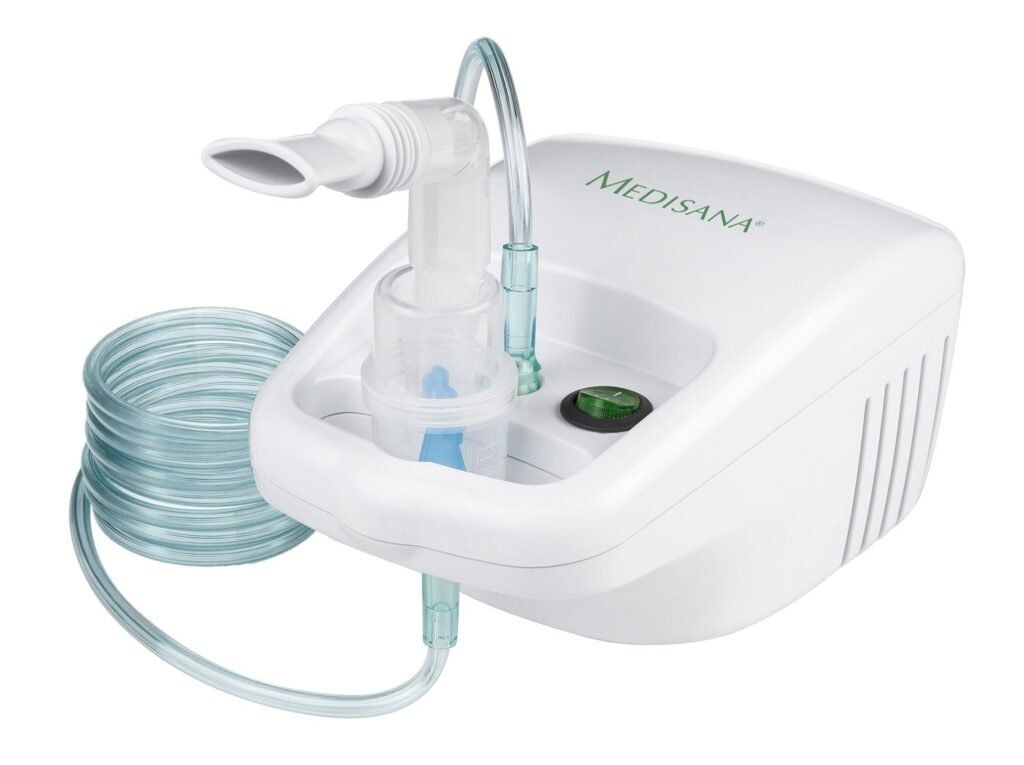
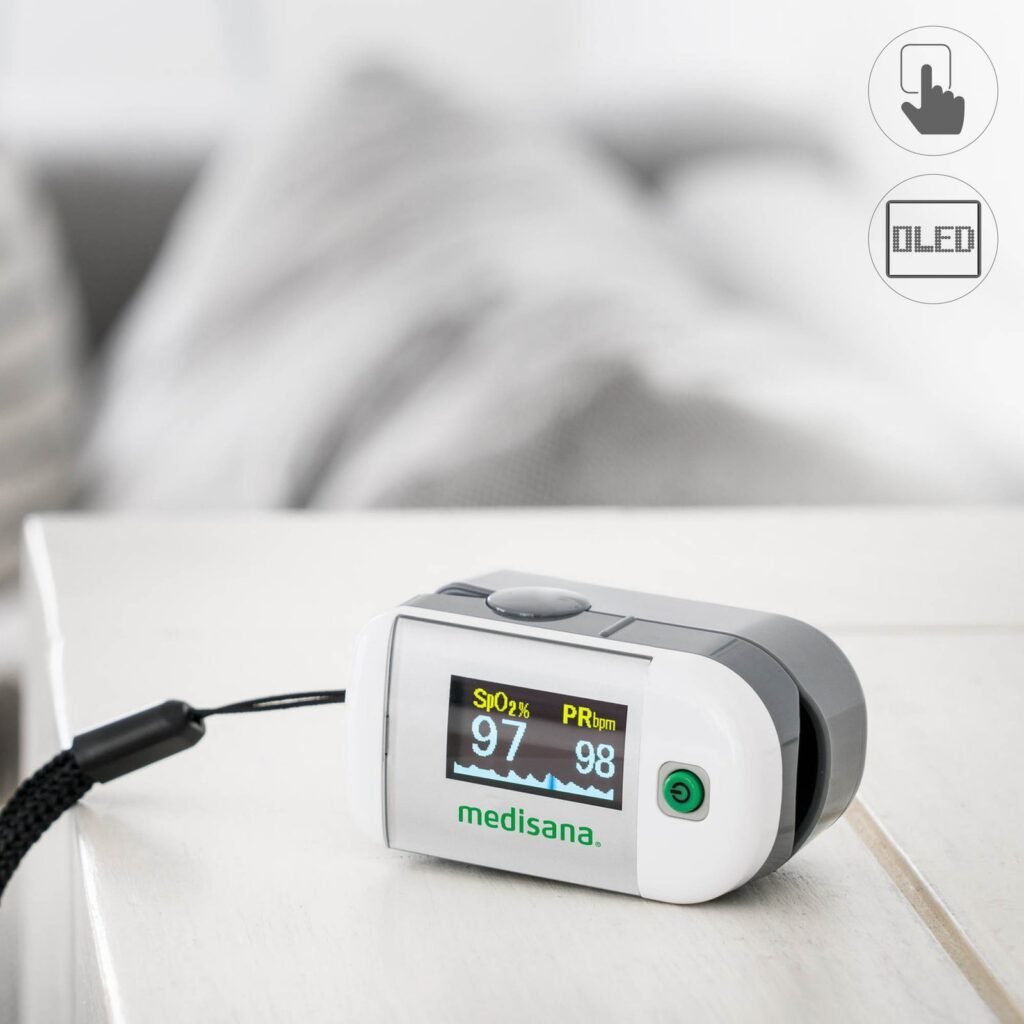
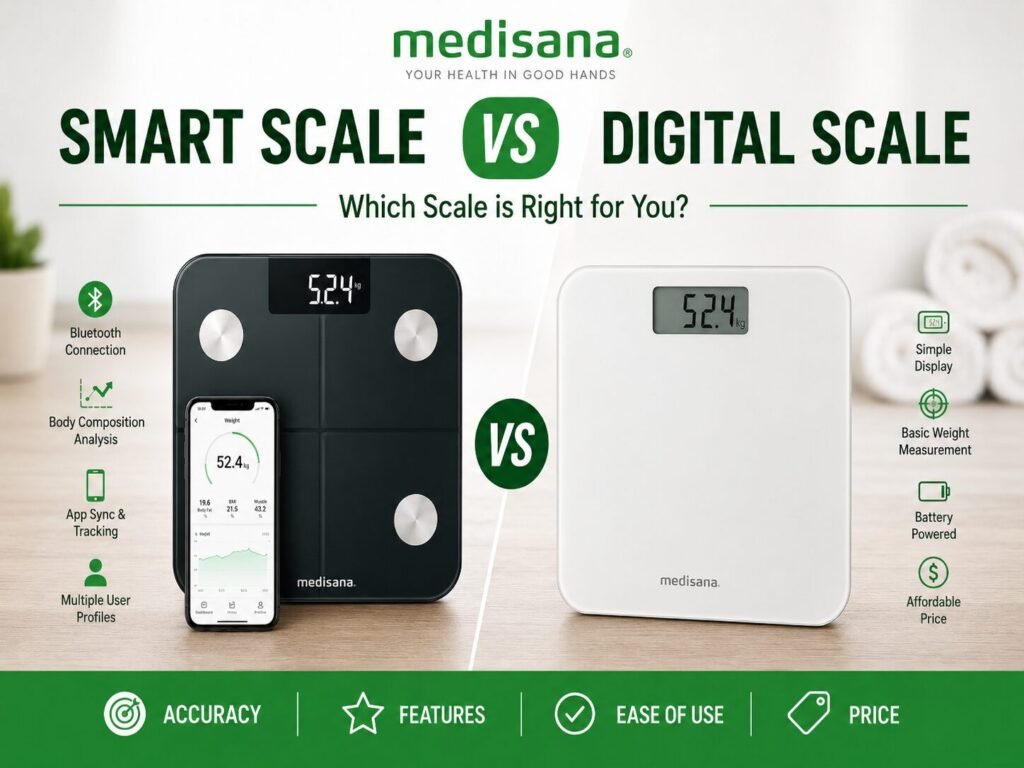
Compare blood pressure monitors, inhalation devices, weight scales, massage devices, and home health care products, then choose the most suitable option for your daily needs from WeCare Egypt.
Nebulizer not making mist? Troubleshoot compressor and mesh models by checking power, tubing, filter, cup assembly, batteries, mesh contact and cleaning—without changing the medication dose.
Learn why a pulse oximeter may show low or unstable SpO₂, how to repeat the measurement correctly, common accuracy limitations, and when symptoms need medical attention.
Learn what Perfusion Index (PI) means on a pulse oximeter, how it differs from SpO₂ and pulse rate, why PI changes, and how to use it as a signal-quality clue.
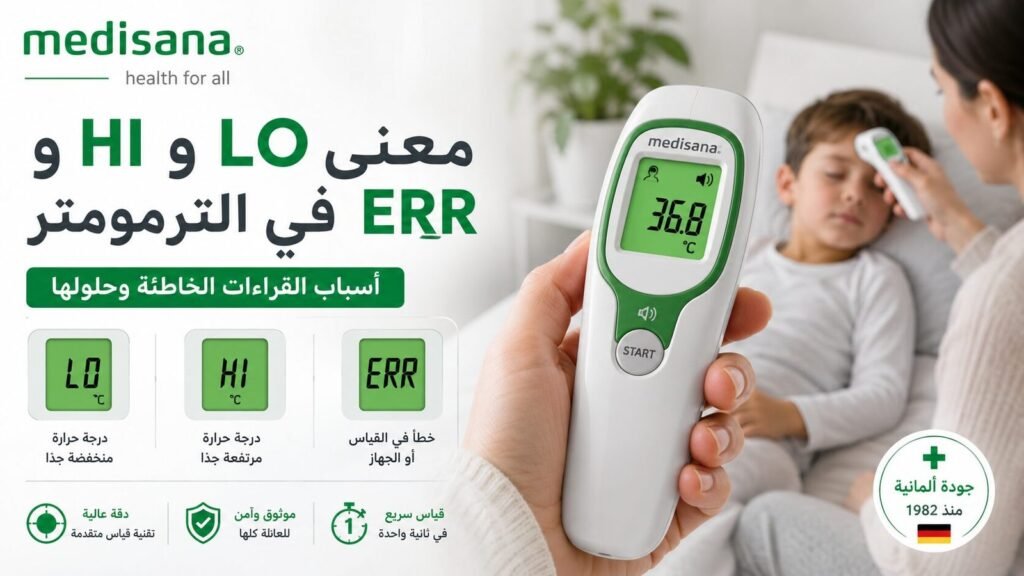
Understand LO, HI, ERR, E1, E2 and battery symbols on digital thermometers, what they may mean, and the correct troubleshooting order before requesting support.
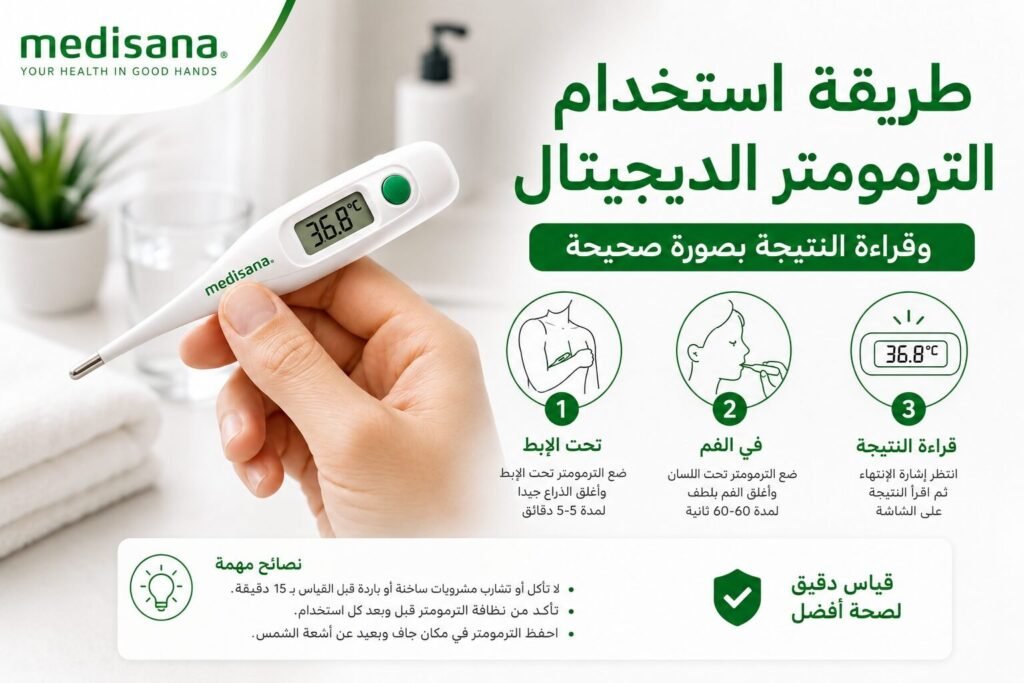
Learn how to use a digital contact thermometer correctly for armpit or oral measurement, read the result, clean the probe and handle LO, HI or ERR safely.
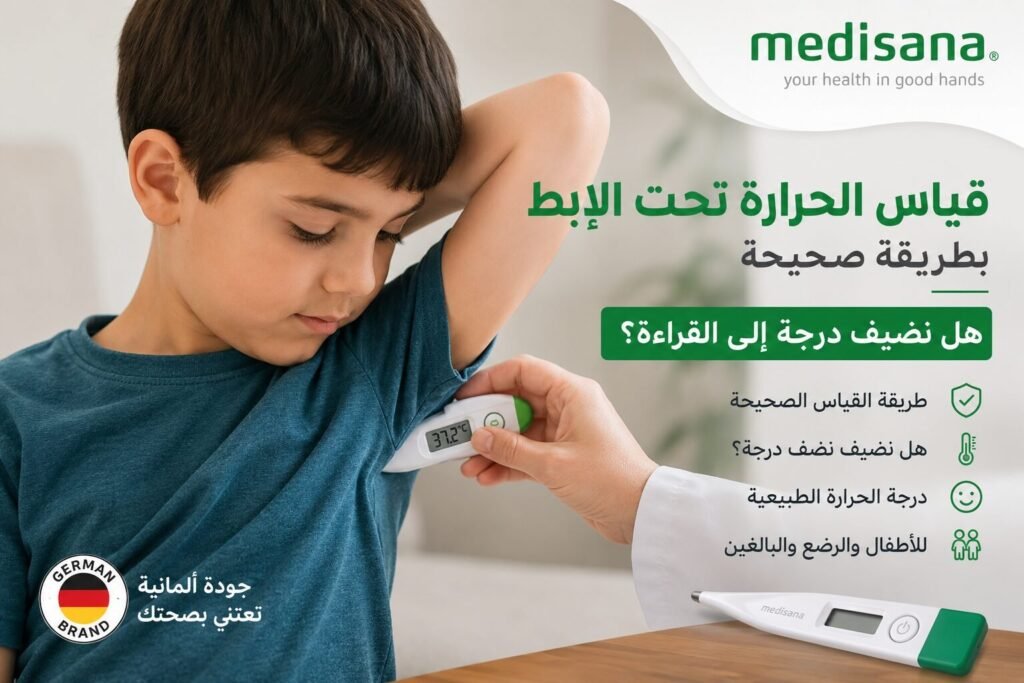
Learn how to measure temperature under the armpit correctly, where to place the thermometer, why you should not automatically add a degree, and when to confirm a reading.
Understand normal body temperature by age, time of day and measurement site, including what 36°C, 37°C, 37.5°C and 38°C can mean and when symptoms matter more than the number.
Thermometer readings different at home? Check measurement site, timing, Body mode, probe contact, forehead distance, sweat, battery and repeat technique before blaming the device.
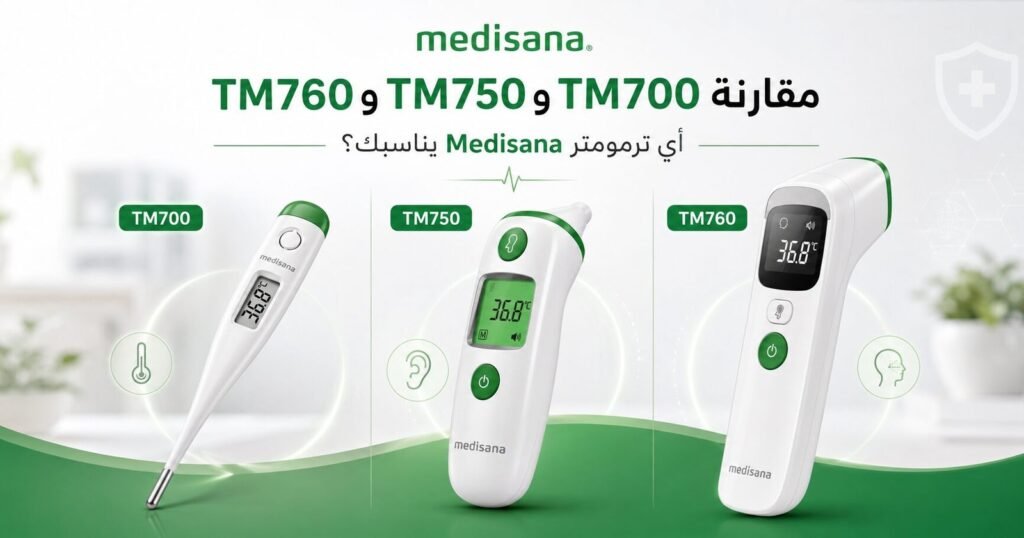
Compare Medisana TM 700, TM 750 Connect and TM 760 for children by age, measurement site, contact vs no-contact use, memory, Bluetooth and sleep-time convenience.
High blood pressure usually causes no symptoms. Learn what headache, dizziness or blurred vision can and cannot tell you, and when a reading above 180/120 with symptoms is an emergency.