Measuring Blood Pressure Correctly: A Complete Guide
25
أكتوبر
Measuring blood pressure correctly
Blood pressure is one of the most important indicators of cardiovascular health. Measuring it correctly is essential for diagnosing hypertension, monitoring treatment progress, and preventing serious complications such as heart attack, stroke, or kidney failure.Measuring While blood pressure readings may appear simple, many people – and sometimes even healthcare providers – make mistakes that lead to inaccurate results. This comprehensive guide explains how to measure blood pressure correctly, what factors influence accuracy, and how you can monitor your readings at home.
What Is Blood Pressure?
Blood pressure (BP) is the force exerted by circulating blood against the walls of the arteries. It is expressed in two numbers:
Systolic Pressure (the top number): the pressure when the heart contracts and pumps blood.
Diastolic Pressure (the bottom number): the pressure when the heart relaxes between beats.
For example, a reading of 120/80 mmHg means the systolic pressure is 120 and the diastolic is 80.
Why Accurate Measurement Matters
Accurate blood pressure measurement is critical for:
Early detection of hypertension – High blood pressure often has no symptoms but damages organs silently.
Avoiding misdiagnosis – A wrong reading may lead to unnecessary medications or missed treatment.
Monitoring treatment effectiveness – For patients on medication, precise measurements ensure the right dosage.
Preventing complications – Stroke, heart disease, and kidney problems can often be avoided if blood pressure is tracked properly.
Common Mistakes in Measuring Blood Pressure
Before learning the correct method, it’s important to understand common errors:
Measuring immediately after exercise, smoking, or caffeine intake.
Using the wrong cuff size.
Talking or moving during the measurement.
Not resting before the reading.
Taking a single reading instead of multiple ones.
Preparing for a Correct Measurement
1. Rest Before the Test
Sit quietly for at least 5 minutes before measuring. Avoid physical activity, caffeine, or smoking for at least 30 minutes.
2. Positioning the Body
Sit upright in a chair with back support.
Keep feet flat on the ground (not crossed).
Place the arm at heart level, supported on a table.
3. Choosing the Right Cuff
The cuff should cover about 80% of the arm circumference.
Too small a cuff will give falsely high readings, while a large cuff may underestimate blood pressure.
Step-by-Step Guide to Measuring Blood Pressure Correctly
Using a Manual (Mercury or Aneroid) Device
Wrap the cuff around the upper arm, 2–3 cm above the elbow.
Place the stethoscope over the brachial artery.
Inflate the cuff until about 20–30 mmHg above the expected systolic value.
Slowly deflate (2–3 mmHg per second).
The first sound heard = Systolic Pressure.
The point where sounds disappear = Diastolic Pressure.
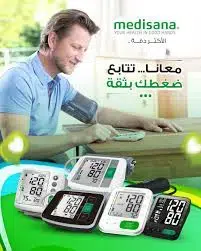
Using a Digital Device
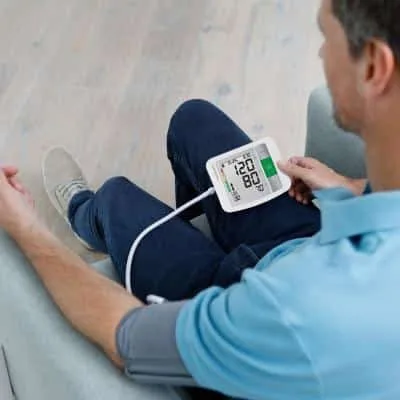
Apply the cuff correctly on the upper arm or wrist.
Press the start button.
Stay still and silent until the measurement finishes.
Record the displayed reading.
Best Practices for Home Monitoring
Measure at the same time daily, preferably morning and evening.
Take at least two readings, 1–2 minutes apart, and record the average.
Keep a logbook to share with your doctor.
Avoid wrist devices unless recommended, as they are less accurate than upper-arm monitors.
Interpreting Blood Pressure Results
According to the American Heart Association (AHA):
Normal: Less than 120/80 mmHg
Elevated: Systolic 120–129 and Diastolic <80 mmHg
Hypertension Stage 1: Systolic 130–139 or Diastolic 80–89 mmHg
Hypertension Stage 2: Systolic ≥140 or Diastolic ≥90 mmHg
Hypertensive Crisis: Systolic >180 or Diastolic >120 mmHg (seek medical attention immediately)
Factors That Influence Readings
Stress and anxiety (white coat hypertension).
Temperature – Cold weather can increase blood pressure.
Full bladder – Can raise systolic by 10–15 mmHg.
Caffeine, alcohol, smoking – Temporary spikes in BP.
Time of day – Morning readings are often higher.
Tips to Improve Accuracy
Calibrate your device regularly, especially digital monitors.
Check both arms during the first measurement; use the arm with higher readings.
Avoid measuring over clothing. Always place the cuff on bare skin.
Don’t obsessively check – measuring too often can cause stress and inaccurate readings.
The Role of Ambulatory Blood Pressure Monitoring (ABPM)
In some cases, doctors may recommend 24-hour ambulatory blood pressure monitoring. This involves wearing a portable device that takes readings at intervals throughout the day and night. ABPM provides a more accurate picture, eliminating the “white coat effect” and identifying hidden hypertension.
When to See a Doctor
Seek professional medical advice if:
Your readings are consistently above 130/80 mmHg.
You experience symptoms such as headaches, chest pain, or dizziness.
You have a family history of cardiovascular disease.
Conclusion
Measuring blood pressure correctly is not just a routine step—it is a lifesaving practice. Small mistakes can lead to big consequences, while accurate readings allow for proper diagnosis, effective treatment, and long-term health protection. By following the correct steps—resting beforehand, using the right cuff, maintaining proper posture, and recording multiple readings—you can ensure that your blood pressure results truly reflect your health status.
Your heart deserves careful attention, and the first step is measuring blood pressure correctly every time.