
اعرف أرقامك: فهم ضغط الدم Know Your Numbers: Understanding Blood Pressure
غير مصنف

Know Your Numbers: Understanding Blood Pressure

Know Your Numbers: Understanding Blood Pressure

اعرف أرقامك: فهم ضغط الدم Know Your Numbers: Understanding Blood Pressure


Know Your Numbers: Understanding Blood Pressure

Introduction

Blood pressure is one of the most important vital signs that reflect the overall health of your heart and circulatory system. Yet, many people don’t fully understand what their blood pressure numbers mean or why it is critical to monitor them regularly. High blood pressure, often called the “silent killer,” can remain unnoticed for years while silently damaging vital organs.

Knowing your numbers and understanding what they represent is the first step toward protecting yourself from heart disease, stroke, kidney failure, and other serious conditions. This article will walk you through the basics of blood pressure, how to interpret the numbers, the risks of abnormal levels, and proven strategies to maintain healthy readings.


What Is Blood Pressure?

Blood pressure is the force of blood pushing against the walls of the arteries as the heart pumps it throughout the body. It is measured in millimeters of mercury (mmHg) and expressed with two numbers:

  1. Systolic Pressure: The top number, representing the force when the heart contracts and pumps blood.
  2. Diastolic Pressure: The bottom number, reflecting the pressure when the heart relaxes between beats.

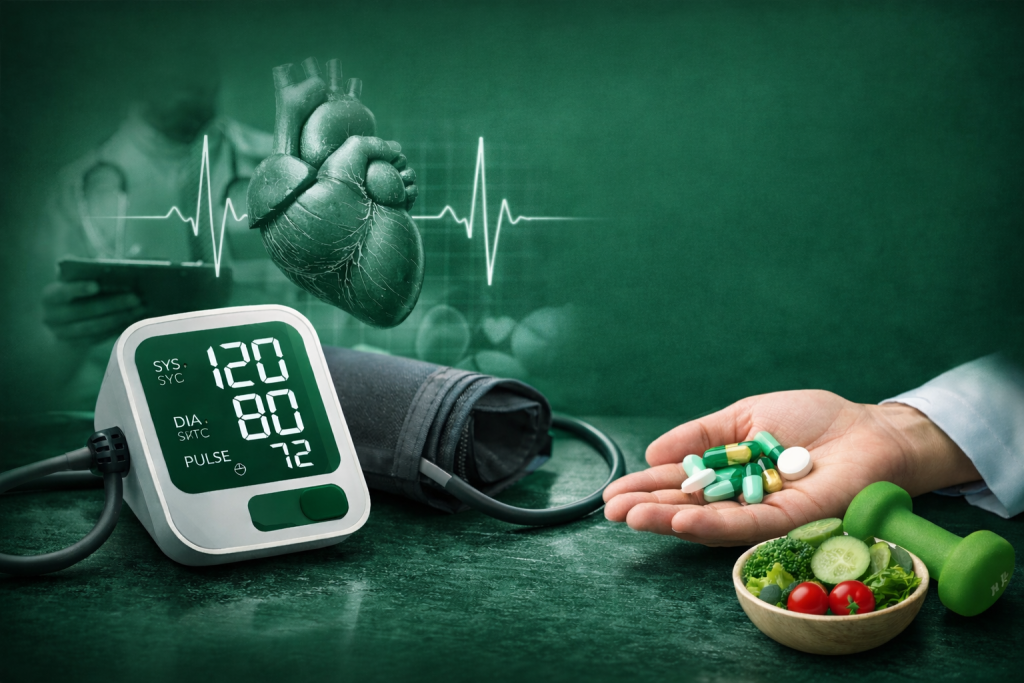
For example, a reading of 120/80 mmHg means the systolic pressure is 120 and the diastolic pressure is 80.


Normal and Abnormal Blood Pressure Ranges

To understand your numbers, it’s essential to know how blood pressure is categorized:

  • Normal: Less than 120/80 mmHg
  • Elevated: 120–129 systolic and less than 80 diastolic
  • Hypertension Stage 1: 130–139 systolic or 80–89 diastolic
  • Hypertension Stage 2: 140/90 mmHg or higher
  • Hypertensive Crisis: Above 180/120 mmHg, requiring immediate medical attention

Why Knowing Your Numbers Matters

Ignoring your blood pressure can have life-threatening consequences. High blood pressure damages arteries and places extra strain on the heart. Over time, it can lead to:

  • Heart disease and heart attacks
  • Stroke caused by blocked or ruptured blood vessels in the brain
  • Kidney damage due to excess pressure on the filtering system
  • Vision loss from damaged blood vessels in the eyes

By tracking your numbers, you can take action before these complications occur.


Common Causes of High Blood Pressure

Several factors contribute to hypertension, including:

  • Genetics: A family history of high blood pressure increases risk.
  • Unhealthy diet: High salt, fried foods, and processed meals.
  • Physical inactivity: Sedentary lifestyles weaken the heart and blood vessels.
  • Smoking and alcohol consumption
  • Chronic stress and anxiety
  • Obesity and excess weight

Symptoms of High Blood Pressure

High blood pressure rarely shows obvious warning signs, which is why it’s called a silent killer. In some cases, symptoms may include:

  • Severe headaches
  • Dizziness
  • Nosebleeds
  • Blurred vision
  • Chest pain or shortness of breath

However, the most reliable way to know your blood pressure is through regular measurement.


How to Measure Blood Pressure Correctly

You can check your blood pressure at home or at a clinic. For accurate results:

  1. Rest quietly for at least five minutes before measurement.
  2. Place the cuff on your upper arm at heart level.
  3. Sit upright with both feet flat on the ground and legs uncrossed.
  4. Measure at the same time each day for consistent tracking.

How to Maintain Healthy Blood Pressure

The good news is that small lifestyle changes can make a huge difference. Here are proven strategies:

  • Limit salt intake: Aim for less than 5 grams per day.
  • Adopt a heart-healthy diet: Rich in vegetables, fruits, whole grains, lean proteins, and fish.
  • Stay physically active: At least 30 minutes of moderate activity daily, like walking.
  • Quit smoking: It immediately improves circulation and lowers risk.
  • Maintain a healthy weight: Every extra kilogram can raise blood pressure.
  • Manage stress: Try meditation, deep breathing, or hobbies that relax you.
  • Take medications as prescribed: If your doctor recommends them, consistency is key.

What About Low Blood Pressure?

While high blood pressure is more common, low blood pressure can also cause problems. Symptoms include:

  • Frequent dizziness
  • Fainting spells
  • Fatigue and weakness
  • Blurred vision

Low blood pressure can result from dehydration, poor nutrition, or hormonal issues and should be evaluated if persistent.


Technology and Blood Pressure Monitoring

Modern technology makes it easier than ever to monitor your numbers:

  • Digital blood pressure monitors for home use
  • Smartwatches that offer blood pressure tracking features
  • Mobile apps to log and analyze readings over time

These tools empower individuals to stay informed and proactive about their health.


When to See a Doctor

Seek medical advice if:

  • Your blood pressure consistently measures 140/90 mmHg or higher
  • You experience chest pain, shortness of breath, or severe headaches
  • You have a strong family history of heart disease
  • You notice frequent episodes of unusually low blood pressure

Conclusion

Your blood pressure numbers are more than just figures on a screen—they’re a reflection of your heart health and future well-being. By knowing your numbers, monitoring them regularly, and taking simple lifestyle steps, you can prevent life-threatening conditions and enjoy a healthier, longer life.

Remember: good health begins with knowing your numbers.