How Often Should You Weigh Yourself? A Complete Guide to Smart Weight Tracking
Introduction
Stepping on the scale is something many of us have a love–hate relationship with. Some people weigh themselves daily, while others prefer to avoid the scale altogether. But when it comes to maintaining a healthy weight or reaching your fitness goals, how often should you weigh yourself? The answer isn’t one-size-fits-all. It depends on your goals, your mindset, and even your lifestyle.
This guide explores the pros and cons of weighing yourself daily, weekly, or monthly, along with expert recommendations, practical tips, and the psychology behind stepping on the scale.
Monitoring your weight is more than just a number game. It can:
Provide accountability – Knowing your weight helps you stay on track with your goals.
Highlight trends – It shows whether your habits are working over time.
Motivate positive choices – Seeing progress can encourage healthier eating and exercise.
Prevent weight regain – Studies show people who monitor their weight are less likely to regain lost pounds.
However, weighing yourself too often—or not often enough—can impact motivation, mental health, and accuracy.
Daily Weigh-Ins: Are They Too Much?
Pros of Daily Weighing
More data = clearer patterns: Daily weigh-ins allow you to see fluctuations caused by salt, water, or hormones.
Accountability: Helps prevent “slipping” with diet or exercise.
Research-backed: A 2017 Obesity journal study found daily weighing helped participants maintain long-term weight loss.
Cons of Daily Weighing
Natural fluctuations: Your weight can shift 1–2 kg in a day due to hydration, meals, or digestion.
Psychological stress: Some people feel discouraged when the scale doesn’t move down daily.
Risk of obsession: Over-focusing on the number can cause anxiety or disordered eating habits.
👉 Best for: People who want close monitoring and can view weight changes logically without stress.
Weekly Weigh-Ins: A Balanced Approach
Pros of Weekly Weighing
Less stressful: Reduces emotional attachment to daily changes.
Reflects real progress: Shows average trends instead of short-term spikes.
Easier to maintain: Weighing once a week becomes part of a routine.
Cons of Weekly Weighing
Less immediate feedback: If you slip on diet/exercise, it may take longer to notice.
Can miss fluctuations: Some people benefit from seeing how lifestyle affects daily weight.
👉 Best for: Most people aiming for gradual, sustainable weight management.
Monthly Weigh-Ins: Minimal Tracking
Pros of Monthly Weighing
Focus on lifestyle habits: Encourages you to track behaviors rather than numbers.
Less pressure: Good for people who feel anxious about the scale.
Cons of Monthly Weighing
Too infrequent: You may miss small changes that add up.
Delayed adjustments: If weight gain occurs, you might notice it too late.
👉 Best for: People prioritizing wellness, strength, or fitness over numbers.
When You Should Weigh Yourself More Often
If you’re actively losing weight with a structured plan.
If you’ve recently reached your goal weight and want to prevent regain.
If you have health conditions like hypertension or diabetes, where weight monitoring supports treatment.
When You Should Weigh Yourself Less Often
If the scale negatively affects your mental health or self-esteem.
If you become obsessed with every small fluctuation.
If you’re focusing on muscle gain – the scale may not reflect progress accurately, since muscle weighs more than fat.
Expert Recommendations
Health organizations and nutrition experts suggest:
Daily or weekly weighing works best for most people.
Use the same time of day, preferably morning after using the bathroom.
Record your weight and look at trends, not single numbers.
A good strategy: Weigh daily, record weekly averages. This balances frequent monitoring with less emotional stress.
Tips for Accurate Weighing
1. Consistency Is Key
Always weigh at the same time, ideally in the morning.
Wear minimal or no clothing.
2. Use the Right Scale
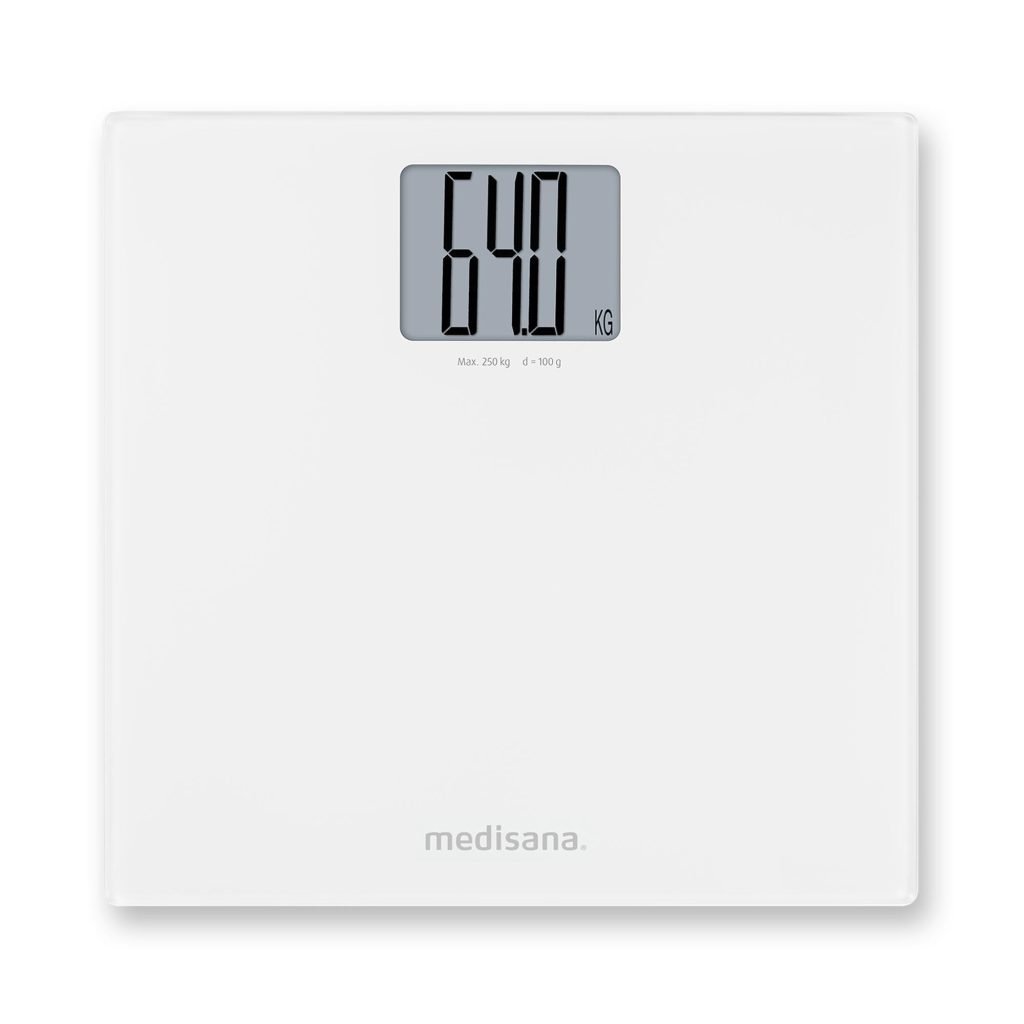
Digital scales are more accurate than old mechanical ones.
Calibrate your scale occasionally to ensure accuracy.
3. Focus on Trends, Not Numbers
Weight can fluctuate daily due to water, sodium, hormones, and digestion.
Track weekly or monthly averages instead of reacting to one number.
4. Pair with Other Measurements
Waist circumference
Body fat percentage
Progress photos
Fitness performance
These give a fuller picture than the scale alone.
The Psychology of Weighing Yourself
The scale can influence motivation both positively and negatively:
Positive reinforcement: Seeing weight loss can fuel motivation.
Negative impact: If progress is slow, it may cause discouragement.
👉 If stepping on the scale causes stress, consider using non-scale victories (better sleep, more energy, looser clothes) as motivation.
Alternatives to the Scale
If weighing yourself isn’t helpful for your mindset, you can track progress through:
Clothing fit – Are your clothes looser or tighter?
Fitness milestones – Improved endurance, strength, or flexibility.
Body composition – More muscle, less fat.
Health markers – Blood pressure, cholesterol, energy levels.
Conclusion
So, how often should you weigh yourself? There’s no single answer for everyone.
Daily weighing: Best for those who want accountability and can handle fluctuations.
Weekly weighing: A balanced approach for most people.
Monthly weighing: Works for those focusing more on lifestyle and overall wellness.
The most important thing is to find a rhythm that supports your physical health and mental well-being. Remember, the scale is just one tool—it doesn’t define your health, your strength, or your worth.
📌 Final Tip: Choose a frequency that keeps you motivated, reduces stress, and helps you make consistent progress toward your goals.